







Definition & Meaning of the M T Bank Beneficiary Form
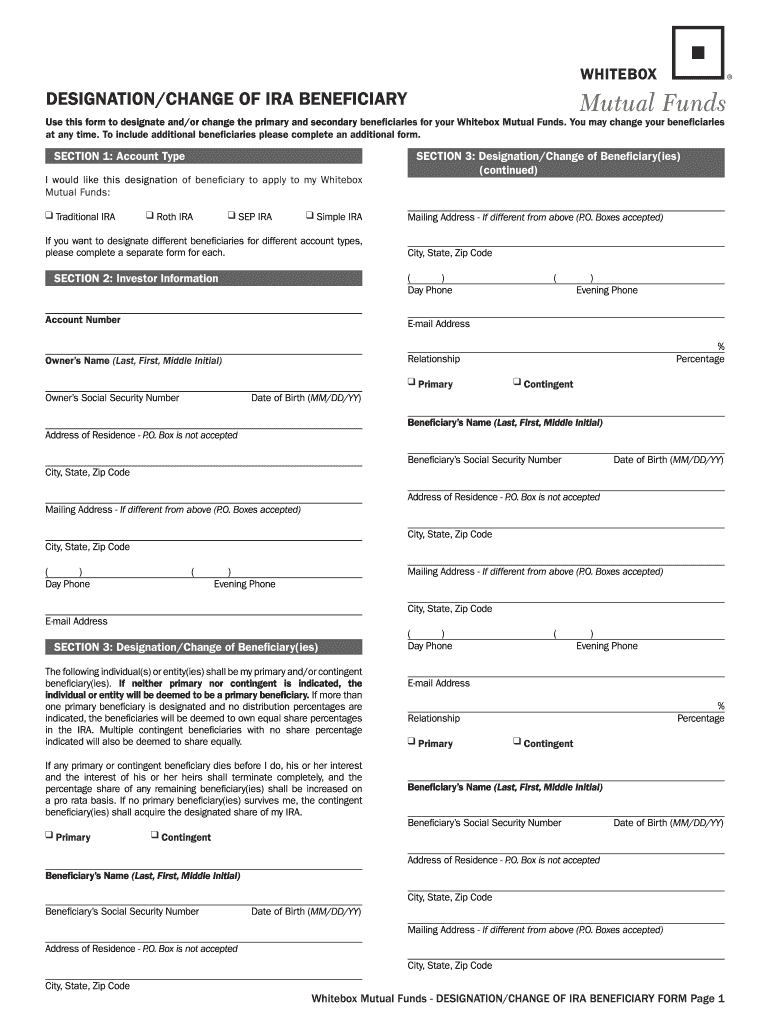
The M T Bank beneficiary form is a legally binding document used by account holders to specify the individuals or entities who will receive their assets upon their death. This form typically outlines both primary and contingent beneficiaries, allowing users to allocate their assets according to their preferences. Most commonly associated with bank accounts, this form can also apply to various financial products such as IRAs and other investment accounts where beneficiaries need to be designated.
By filling out the M T Bank beneficiary form, account holders ensure a seamless transfer of their assets, avoiding the lengthy probate process. It is crucial for individuals who want clarity on how their financial legacy will be managed after their demise. A well-defined beneficiary list not only simplifies the distribution of assets but also helps reduce potential conflicts among heirs.
This form includes sections for entering personal information about both the account holder and the designated beneficiaries. The primary beneficiary is the first in line to inherit, while a contingent beneficiary is named to receive the assets if the primary beneficiary is unable to do so. This setup offers additional security for the account holder's wishes and can provide peace of mind regarding their estate planning.
How to Use the M T Bank Beneficiary Form
Using the M T Bank beneficiary form involves several clear steps, ensuring that account holders designate their beneficiaries accurately and securely. The following outlines the procedure for effectively utilizing the form:
- Obtain the Form: The first step is to access the M T Bank beneficiary form. This is available online through the M T Bank website or in-person at any bank branch.
- Complete Personal Information: Fill in your personal details, including your name, address, and account number. This information is essential to associate the form with your specific account.
- Designate Beneficiaries: Clearly identify primary and contingent beneficiaries by providing their full names and contact details. This should include legal names for clarity and ensure proper identification during the transfer of assets.
- Specify Percentages: If you have multiple beneficiaries, you can indicate the percentage of assets each will inherit, ensuring that there is no confusion about how the assets are divided.
- Review and Submit: Before submitting the form, double-check all entries for accuracy. After ensuring that all provided information is correct, submit the form online, by mail, or in person to your local M T Bank branch.
Following these steps helps the account holder manage their assets effectively and aligns with their estate planning goals.
Steps to Complete the M T Bank Beneficiary Form
Completing the M T Bank beneficiary form should be approached methodically to ensure accuracy and compliance. The following are crucial steps to take when filling out this form:
Prepare Required Information
- Account Details: Have your M T Bank account number ready to associate your form accurately.
- Beneficiary Information: Gather necessary details for each beneficiary, including their full name, date of birth, relationship to you, and contact information.
Fill Out the Form
- Account Holder Information: Start by entering your personal details. This usually includes your name, address, and social security number, which verify your identity.
- Beneficiary Designation: Specify one or more beneficiaries. For each, include the required information. For primary beneficiaries, ensure that you have listed them accurately according to your wishes.
- Contingent Beneficiaries: Always consider listing contingent beneficiaries. These individuals will inherit the assets if the primary beneficiaries are not alive at the time of the account holder's death.
Review and Finalize
- Confirm Accuracy: Before submitting, it is vital to review all entries in the form for errors or omissions. Small mistakes can lead to complications in issuing benefits.
- Submit the Form: Depending on your preference, submit the form online via the M T Bank portal, mail it to the specified address, or deliver it to a bank branch in person.
Completing the form correctly ensures that your intentions are clearly communicated, providing legal protection for both you and your beneficiaries.
Important Terms Related to the M T Bank Beneficiary Form
Understanding the terminology associated with the M T Bank beneficiary form is vital for account holders to navigate estate planning effectively. The following key terms provide clarity:
- Primary Beneficiary: The individual or entity first in line to receive assets. It is crucial to designate this person clearly in the form to avoid disputes.
- Contingent Beneficiary: The alternate beneficiary who inherits assets if the primary beneficiary predeceases the account holder. Including a contingent beneficiary provides a fallback plan.
- Payable on Death (POD): A designation often used synonymously with the beneficiary designation, indicating that the funds will go directly to the beneficiary upon the account holder's death.
- Estate Planning: The process of preparing documents such as wills and beneficiary forms to specify how an individual's assets will be managed and distributed after their death.
- Probate: The legal process through which a deceased person's estate is distributed, which can be time-consuming and may lead to disputes if beneficiary designations are unclear.
Being familiar with these terms equips account holders with the necessary knowledge to fill out the form properly and ensure that their wishes are honored after their passing.
Legal Use of the M T Bank Beneficiary Form
The M T Bank beneficiary form serves a significant legal purpose in estate planning and asset distribution upon the account holder's death. Understanding its legal implications is essential for all individuals utilizing this form:
- Legally Binding Document: When properly completed and submitted, the M T Bank beneficiary form becomes a legally binding document, ensuring that the designated beneficiaries will receive the specified assets without interference from the probate process.
- State-Specific Requirements: Legal requirements for beneficiary designations may vary by state. It's vital to be aware of local laws that could affect how the form is processed or interpreted.
- Protection Against Claims: The form serves to protect the account holder's wishes against potential claims from other relatives or parties, especially in cases where family dynamics can complicate estate distribution.
- Revocation of Previous Designations: By submitting a new beneficiary form, any previous designations are typically revoked. This allows account holders to revise their beneficiary choices in accordance with their current wishes.
Understanding the legal implications underscores the importance of accuracy and thoroughness in completing the form, as these decisions significantly impact estate management.
Key Elements of the M T Bank Beneficiary Form
The M T Bank beneficiary form includes several critical components that account holders must be familiar with to ensure a smooth process for designating beneficiaries. The key elements include:
Personal Information Section
- Account Holder's Info: This section captures essential details, such as the account holder's full legal name, address, and M T Bank account number, which helps in associating the form with the correct account.
Beneficiary Details
- Primary Beneficiary Designation: The section for listing primary beneficiaries is crucial, allowing the account holder to detail who will receive the assets first. It should include names, relationships, and contact information.
- Contingent Beneficiaries: Space is also provided for contingent beneficiaries, ensuring a backup plan is in place in case the primary beneficiaries cannot inherit.
Signature and Date
- Verification of Intent: The form must include the account holder's signature, declaring that the information provided is accurate and reflects their wishes. The date of the signature establishes the form's validity.
Instructions for Submission
- Clear Submission Guidelines: The form typically concludes with instructions on how to submit it, whether electronically, by mail, or in person, making it easy for account holders to complete the process.
Familiarity with these key elements allows account holders to approach the completion of the M T Bank beneficiary form with confidence and clarity.
Examples of Using the M T Bank Beneficiary Form
Real-life scenarios can provide practical insights into the use of the M T Bank beneficiary form, illustrating its importance in estate planning and asset distribution:
-
Individual Retirement Account (IRA) Holder: An individual with a Traditional IRA can use the M T Bank beneficiary form to specify their spouse as the primary beneficiary and their children as contingent beneficiaries. This ensures that their assets pass directly to their loved ones without going through probate.
-
Joint Bank Account: In a joint bank account situation, one partner may wish to designate a co-owner as the primary beneficiary while naming another family member as a contingent beneficiary. This designation protects both partners' interests and clarifies asset distribution.
-
Trust Fund Creation: A user might also employ the form while setting up a trust. By designating specific beneficiaries on their M T Bank account, they can ensure that funds are allocated according to their established trust guidelines after their death.
-
Changing Beneficiaries Post-Divorce: After a divorce, individuals may want to update their M T Bank beneficiary form to remove their former spouse and designate new beneficiaries, such as children or siblings. This instance highlights the importance of revisiting beneficiary designations during significant life changes.
These examples underscore the versatility and significance of the M T Bank beneficiary form in personal and financial planning.




