Medically supervised weight loss documentation 2026

Get Form
medically supervised weight loss Preview on Page 1

Here's how it works

01. Edit your medically supervised weight loss online
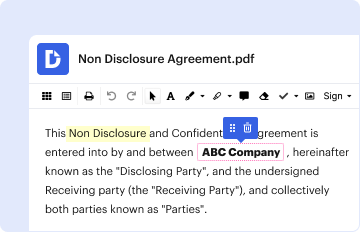
Type text, add images, blackout confidential details, add comments, highlights and more.

02. Sign it in a few clicks
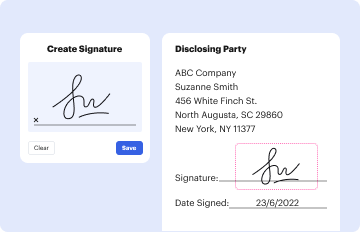
Draw your signature, type it, upload its image, or use your mobile device as a signature pad.

03. Share your form with others
Send physician supervised weight loss program documentation via email, link, or fax. You can also download it, export it or print it out.

How to use or fill out medically supervised weight loss documentation with our platform

Form edit decoration
9.5
Ease of Setup
DocHub User Ratings on G2
9.0
Ease of Use
DocHub User Ratings on G2
  1. Click ‘Get Form’ to open the medically supervised weight loss documentation in the editor.
  2. Begin by entering the patient's name and date of service at the top of the form. This ensures that all records are accurately attributed.
  3. Fill in the patient's weight, blood pressure, and heart rate in the designated fields. These vital statistics are crucial for monitoring progress.
  4. In the 'Diet' section, document the prescribed caloric restriction and any dietary recommendations. Use the notes area to provide additional insights or observations.
  5. For 'Physical Activity', outline an appropriate exercise program tailored to the patient’s age and condition. Include compliance expectations and any necessary notes.
  6. In 'Behavioral Interventions', specify strategies for overcoming barriers to dietary compliance. Document tools like logbooks or support groups in the notes section.
  7. Address 'Pharmacotherapy' by listing any FDA-approved weight loss medications prescribed, along with their strengths. Note any issues with tolerance or refusal of medication.

Start using our platform today to streamline your medically supervised weight loss documentation process for free!

See more medically supervised weight loss documentation versions

We've got more versions of the medically supervised weight loss documentation form. Select the right medically supervised weight loss documentation version from the list and start editing it straight away!
Versions Form popularity Fillable & printable
2012 4.5 Satisfied (65 Votes)
be ready to get more

Complete this form in 5 minutes or less

Get form

Got questions?

We have answers to the most popular questions from our customers. If you can't find an answer to your question, please contact us.
Contact us
To qualify for a medical weight loss program, patients will need to have a body-mass index (BMI) of 30 or higher, or a BMI of 27 or higher, along with a weight-related health condition such as diabetes, high blood pressure, or high cholesterol.
Choose 3 different protein sources, 3 fat sources, and 3 carb sources only (All veggies and fruit can count as 1 each).
Weight loss isnt one-size-fits-all, and its not always linear. Documenting your journey in a journal can help you identify patterns in your workout routines, food habits, and even how you think about food.
Breaking Down the 40 30 30 Rule The 40 30 30 rule refers to getting 40% of your calories from carbohydrates, 30% from protein, and 30% from fat. Its not about obsessing over the number on the scale or following a restrictive plan that ditches entire food groups.
10 Tips on Documenting Your Weight Loss Journey Create a Content Strategy and Schedule. Capture Before and After Shots. Incorporate Motivational Quotes and Text. Utilize Time-Lapse and Speed Effects. Highlight Healthy Recipes and Meals. Include Progress Updates. Experiment with Music and Sound Effects.

Security and compliance

At DocHub, your data security is our priority. We follow HIPAA, SOC2, GDPR, and other standards, so you can work on your documents with confidence.

Learn more
ccpa2
pci-dss
gdpr-compliance
hipaa
soc-compliance
be ready to get more

Complete this form in 5 minutes or less

Get form

People also ask

Smith says the first 2 is for two different types of meals: fatty meals and carb-heavy meals. The second 2 represents non-food related aspects like weekly weigh-ins and introspective journaling, while the third 2 represents exercise consisting of bodyweight and/or high intensity interval workouts. Dr.
Z71. 3 is a supplementary diagnosis ICD-10 code that is used to specify the medical diagnosis of dietary counseling for weight loss listed by World Health Organization (WHO).

weight management documentation