Definition and Purpose of a Pawn Agreement Template
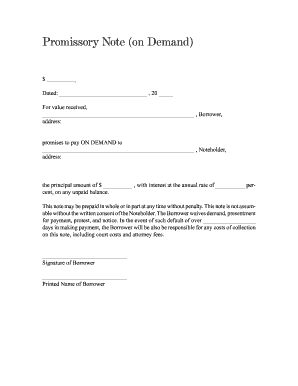
A Pawn Agreement Template is a standardized document used to outline the terms and conditions involved in pawning an item in exchange for a monetary loan. This agreement clarifies the responsibilities and rights of both parties: the borrower who pledges their item as collateral, and the pawnbroker who provides the loan. Key elements typically included are definitions of involved parties, details of the pawned items, loan terms, interest rates, repayment schedules, and provisions for defaults or disputes. These templates serve as a legal framework to ensure transparency and mutual understanding, safeguarding both the lender's and borrower's interests.
How to Use the Pawn Agreement Template
Utilizing a Pawn Agreement Template involves several steps to ensure that all pertinent information is accurately recorded and legally binding. Initially, both parties should thoroughly review the template's sections, confirming each aligns with state regulations and individual agreements. The pawnbroker should include comprehensive descriptions of the items being pawned, while the borrower must understand the specific loan terms, including the amount, duration, and interest rate. Once details are complete, both parties should sign the document. For added assurance, users might annotate the template using DocHub's tools for clarity. This template can be modified to accommodate unique circumstances, such as extended loan periods or specific dispute resolution methods.
Key Elements of the Pawn Agreement Template
The Pawn Agreement Template is comprised of crucial sections that establish a clear legal understanding between both parties. Essential components include:
- Party Identification: Clearly lists the borrower and pawnbroker details.
- Item Descriptions: Detailed characterization of the pawned items, including condition and valued estimates.
- Loan Terms: Specifies the principal amount, interest rates, repayment schedule, and maturity date.
- Default Provisions: Procedures if the borrower fails to meet obligations, including repossession rights and additional charges.
- Dispute Resolution: Methods for handling disagreements, which may include arbitration or mediation clauses.
- Legal Compliance: Ensures conformity with applicable state laws and pawnbroker regulations.
Steps to Complete the Pawn Agreement Template
Completing a Pawn Agreement Template involves a structured approach to guarantee completeness and legality:
- Collect Information: Gather all necessary details about the borrower, pawnbroker, and collateral.
- Review Legal Terms: Understand and agree upon each section of the agreement.
- Document Exceptions: Note any changes to standard terms that both parties agree on.
- Fill in the Template: Enter all required information into the Pawn Agreement Template.
- Verification: Both parties should review the finalized document to ensure accuracy.
- Sign and Date: Both the borrower and pawnbroker must sign, date, and, if desired, have the document notarized.
Legal Use of the Pawn Agreement Template
The legality of a Pawn Agreement Template depends on adherence to state-specific laws governing pawnbroker transactions. This template must incorporate statutory requirements, such as permissible interest rates and redemption periods. Additionally, both parties should be given adequate time to review the document and seek legal advice if necessary. Templates typically protect both parties by including clauses on confidentiality, compliance with consumer protection laws, and disclaimers for liability. Properly used, this template reinforces trust and mitigates the risk of legal disputes.
State-Specific Rules for Pawn Agreements
Pawn Agreement Templates must be tailored to comply with state-specific regulations, which can vary significantly. For instance:
- Interest Rates: Maximum allowable rates differ widely across states.
- Redemption Periods: These dictate how long borrowers have to repay the loan before losing their collateral.
- Additional Fees: States may impose restrictions on late fees or other charges.
- Reporting Requirements: Some regions require pawnbrokers to report transactions to law enforcement for tracking stolen goods.
Understanding these differences is crucial for ensuring that a Pawn Agreement is legally enforceable in its respective state.
Versions or Alternatives to the Pawn Agreement Template
While the standard Pawn Agreement Template covers most typical transactions, certain situations might necessitate alternative agreements or versions, such as:
- High-Value Collateral Agreements: Enhanced terms for expensive items, possibly including insurance.
- Extended Loan Agreements: Variants that cater to borrowers needing longer repayment terms.
- Digital Agreements: For businesses leveraging online pawn services, digital agreements can offer more flexibility and immediacy.
Each version should maintain the core requirements but be adjusted to suit specific scenarios or transaction complexities.
Important Terms Related to Pawn Agreements
Understanding terminologies associated with pawn agreements is essential for both parties involved in the transaction:
- Collateral: The item pledged by the borrower to secure the loan.
- Principal: The amount borrowed before interest.
- Pawn Ticket: Proof of the pawning transaction, including loan details.
- Forfeiture: Loss of collateral if the borrower fails to repay the loan.
- Redemption: The act of repaying the loan to reclaim pawned items.
Grasping these terms will aid borrowers and lenders in ensuring the contract's stipulations are met effectively.