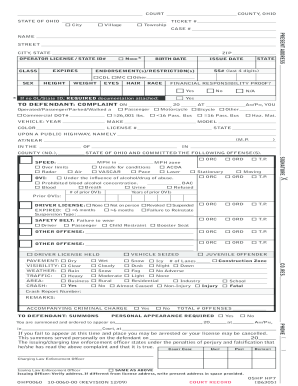


Definition and Meaning of the t439 Income Execution Form
The t439 income execution form is a legal document utilized in the state of New York to initiate the process of garnishing an individual’s wages or salary due to court-ordered judgments. This form is essential for creditors seeking to recover debts when a debtor has failed to fulfill payment obligations as ordered by the court. The t439 form specifically targets disposable earnings, which are defined as any income left after mandatory deductions such as taxes, social security, and health insurance.
Key points regarding the t439 income execution form include:
- Purpose: To facilitate the legal capture of funds directly from a debtor's paycheck.
- Legislation: Governed under the Civil Practice Law and Rules (CPLR) § 5231, ensuring compliance with state laws regarding wage garnishment.
- Types of payments: The form may apply to various income types, including wages, bonuses, and commissions, while maintaining specific exemptions outlined by state legislation.
How to Use the t439 Income Execution Form
To effectively utilize the t439 income execution form, follow these critical steps:
- Determine eligibility: Before proceeding, ensure that a valid judgment exists against the debtor and that the form can be legally executed.
- Fill out the form accurately: Include essential details such as the debtor's name, address, social security number, and the details of the judgment, including the amount owed.
- Serve the form: The completed form must be served to the debtor's employer, ensuring that they understand their obligations to withhold specified amounts from the debtor's paycheck.
- Confirm compliance: After serving the form, monitor the response from the employer to ensure they comply with the garnishment order as outlined in the t439 form.
The effective use of the t439 form relies heavily on legal compliance and accurate service to the necessary parties, thereby facilitating proper enforcement of wage garnishment.
Steps to Complete the t439 Income Execution Form
Completing the t439 form involves a series of detailed steps:
- Download the form: Obtain the t439 income execution form from official sources, ensuring it is the most current version.
- Provide your information: Fill in the creditor's name, address, and contact information in the designated fields at the top of the form.
- Enter debtor information: Input the debtor's full name, address, and social security number, confirming that it is accurate to avoid legal complications.
- Detail the judgment: Clearly state the amount owed, including any interest or additional fees, as directed by the court’s judgment.
- Review for accuracy: Carefully examine the filled form to ensure all information is correct and complete; any inaccuracies may delay the execution process.
- Sign and date the form: The form must be signed by the creditor to validate its authenticity before submission.
By following this structured approach, the completion of the t439 income execution form becomes a straightforward process, minimizing the potential for errors that could hinder the garnishment.
Important Terms Related to the t439 Income Execution Form
Understanding the terminology associated with the t439 income execution form is vital for effective use. Important terms include:
- Disposable Earnings: Defined as the portion of an employee's income remaining after mandatory withholdings, which may be subject to garnishment.
- Judgment Debtor: The individual who has failed to meet their financial obligations as mandated by a court and against whom this form is filed.
- Creditor: The party who has been awarded a judgment by the court, entitled to payment from the debtor.
- Wage Garnishment: A legal procedure through which a creditor can take a portion of an employee's earnings directly from their paycheck to satisfy outstanding debts.
These terms create a foundational understanding of the legal context in which the t439 form operates, promoting effective communication and compliance in debt recovery via wage garnishment.
Legal Use of the t439 Income Execution Form
The t439 income execution form holds significant legal weight in New York, governed by established laws designed to protect both creditors and debtors. Important legal parameters include:
- Compliance with CPLR § 5231: This regulation outlines permissible deductions from a debtor's earnings, including exemptions for individuals residing below minimum reasonable income thresholds.
- Employer obligations: When served with a t439 form, employers are legally bound to adhere to the garnishment request, ensuring they withhold the necessary amounts from the employee’s paycheck.
- Debtor rights: Debtors are entitled to contest garnishments in specific circumstances, such as exemptions for public benefits or when disposable earnings fall below statutory limits.
Understanding these legal aspects ensures that the use of the t439 form is effective, compliant, and respects the rights of all parties involved.
Key Elements of the t439 Income Execution Form
The t439 income execution form incorporates several critical elements that must be included for validity:
- Identification of creditor: This section identifies the parties involved in the judgment and the creditor’s information.
- Debtor identification: Accurate recording of the debtor’s name, address, and social security number ensures effective service of the document.
- Judgment amount: Stating the exact amount owed by the debtor, including any accrued interest, is crucial for proper enforcement.
- Employer details: The name and address of the debtor's employer must be included so that the garnishment can be correctly executed.
- Signature and verification: The form must be signed by the requesting party to confirm its legitimacy and initiate the garnishment process.
Each of these elements plays a pivotal role in ensuring that the form complies with legal requirements and facilitates a smooth execution process.
Examples of Using the t439 Income Execution Form
Real-world scenarios illustrate the application of the t439 income execution form and its effectiveness in debt recovery:
-
Case Study 1: A creditor, having won a judgment against a debtor for unpaid loans, completes the t439 form according to legal guidelines. Upon serving the form to the debtor's employer, the creditor successfully retrieves a specified percentage of the debtor's paychecks to settle the outstanding debt.
-
Case Study 2: A small business found itself with an unpaid invoice from a former client. After exhausting other collection methods, the owner submitted the t439 income execution form, enabling the garnishment of future payments from the debtor's wages until the debt was satisfied.
These examples demonstrate the form’s practical utility in securing payments for obligations legally, underlining the importance of adherence to procedural norms and timelines.