






Definition & Meaning
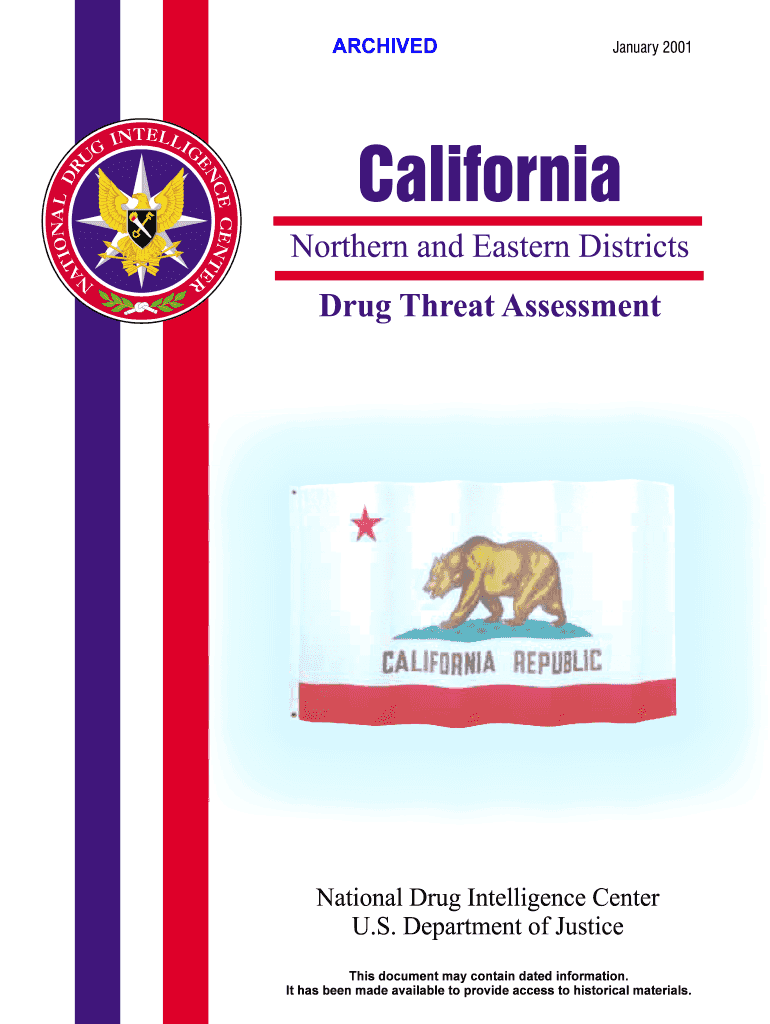
The National Drug Intelligence Center (NDIC) was a component of the Department of Justice focused on gathering, analyzing, and disseminating drug-related intelligence to support the government's broader drug enforcement strategies. Its primary objective was to provide detailed assessments and data that could guide law enforcement agencies in countering drug trafficking and related criminal activities in the United States. Although the NDIC was disbanded in 2012, its legacy includes a range of comprehensive reports and analyses that continue to inform current drug policy and law enforcement efforts.
Historical Context
- NDIC's establishment was authorized by the United States Congress in the Anti-Drug Abuse Act of 1988.
- It was initially tasked with assisting federal, state, and local law enforcement by creating assessments of drug threats.
- The center was based in Johnstown, Pennsylvania, until its closure in 2012.
Ongoing Influence
- Despite its closure, data and reports first compiled by the NDIC remain vital references in today's ongoing war against drugs.
- The intelligence produced helped shape drug policy and enforcement structures still utilized by successor agencies.
Legal Use of NDIC Reports
NDIC reports serve as crucial tools in shaping legal and enforcement policies. They are often referenced to understand the scope and impact of drug trafficking operations. Legal agencies and policymakers rely on these documents to enact informed decisions that address drug-related issues in a systemic manner.
Utilization in Legal Frameworks
- Reports inform policymakers on trends and emerging threats.
- They provide foundational data used in the prosecution of drug-related crimes.
- Intelligence gathered supports the development of targeted enforcement strategies.
Examples of Applications
- Supporting federal and state drug threat assessments.
- Facilitating coordination among agencies tackling drug distribution and production networks.
- Assisting in the structuring of legislation aimed at combating drug trafficking and abuse.
Key Elements of NDIC Assessments
NDIC assessments were known for their detailed insights into various aspects of the drug trade, including distribution mechanisms and the socio-economic impacts of drug trade practices.
Focus Areas Within Assessments
- Drug Availability: Examines the prevalence of specific drugs within different regions.
- Trafficking Patterns: Maps routes and strategies employed by traffickers.
- Associated Violence: Analyzes the correlation between drug trade activities and violence.
- Environmental Impacts: Details negative environmental consequences linked to drug production, particularly methamphetamine.
Who Typically Uses NDIC Reports
Several entities leverage NDIC reports, including law enforcement agencies, policymakers, and research organizations.
Primary Users
- Law Enforcement: Federal, state, and local law enforcement agencies employ these reports for strategy development and operational planning.
- Policy Makers: Government officials use intelligence to guide legislative decisions and resource allocation.
- Academic and Research Institutions: Scholars analyze reports for research and policy development related to criminal justice and public health.
Steps to Complete NDIC Forms for Data Submission
While no longer applicable due to NDIC's closure, understanding procedures formerly in place can offer insights into how data was collected and processed.
General Process Overview
- Data Collection: Agencies and organizations compile relevant drug-related data.
- Form Submission: Submit collected data using designated NDIC forms.
- Data Analysis: NDIC analysts evaluate submissions to produce comprehensive reports.
Important Considerations
- Accuracy and completeness of data were crucial for reliable analysis.
- Coordination across multiple agencies ensured comprehensive intelligence.
Important Terms Related to NDIC
Understanding key terms aids in better comprehension of NDIC reports and their implications.
Glossary of Terms
- Trafficking Organization: Groups involved in the transportation and distribution of illegal drugs.
- Methamphetamine Production: The process and locations associated with meth manufacturing, a significant focus of NDIC reports.
- Drug Threat Assessment: Evaluation of the impact and scope of various drugs within specific regions.
Examples of Using NDIC Reports
Real-world applications of NDIC reports highlight their significance in drug policy and enforcement.
Case Studies
- Methamphetamine Threat in California: Based on NDIC findings, targeted actions were undertaken to combat meth production and distribution.
- Cocaine Distribution Networks: NDIC insights led to dismantling specific supply chains affecting urban centers.
State-by-State Differences
Though NDIC reports provide a national overview, the impact and scope of drug-related issues vary significantly by state.
Variability Factors
- Regional Drug Preferences: Some drugs are more prevalent in specific states.
- Local Trafficking Routes: Diverse geographic landscapes influence trafficking methods.
- State Policies: Differing laws and enforcement tactics create unique challenges and solutions in each state.
This comprehensive approach to the National Drug Intelligence Center's reports and activities emphasizes their ongoing relevance and the wide-ranging impact of their historical contributions to drug policy and enforcement.