






Definition and Purpose of SECTION 3 GENERAL PROGRAM ADMINISTRATION
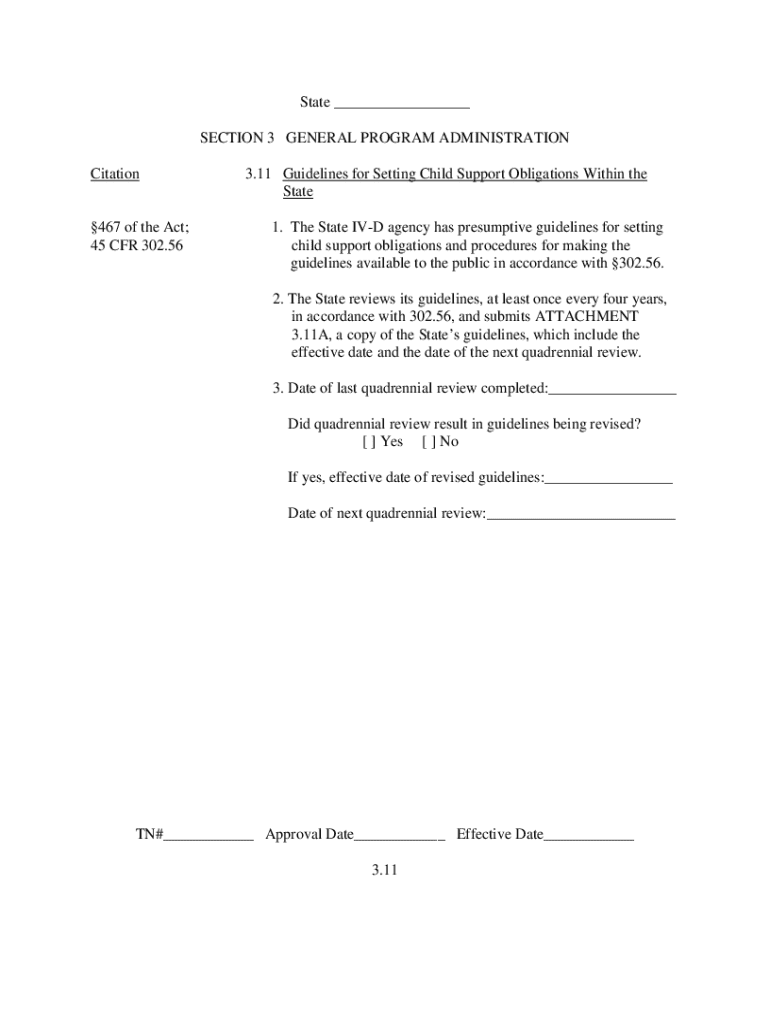
The term "SECTION 3 GENERAL PROGRAM ADMINISTRATION" refers to a specific set of guidelines and administrative procedures required for managing federal programs under Section 3. These regulations primarily aim to ensure that economic opportunities are directed towards low- to very-low income individuals, especially those who reside in areas where federal assistance is spent. This administration is a crucial component for entities that receive federal funding aimed at housing and urban development projects. The administration process involves several key steps in coordinating funds and resources effectively to meet federal compliance requirements. Entities involved must adhere to specific guidelines to maximize local economic impacts.
Key Functions of SECTION 3 General Program Administration
- Coordination of Resources: Ensures alignment between federal funding and local workforce development.
- Compliance Monitoring: Involves tracking adherence to federal guidelines to avoid penalties.
- Community Impact Assessment: Evaluates how effectively the program benefits target groups (e.g., veterans, low-income families).
- Reporting Requirements: Includes maintaining documentation and submitting regular reports to oversight bodies.
How to Use the SECTION 3 GENERAL PROGRAM ADMINISTRATION
Understanding how to effectively utilize this administration process is essential for federal funding beneficiaries. Users must familiarize themselves with various aspects, including documentation, reporting, and compliance requirements.
Steps to Utilize SECTION 3 Administration
- Review Guidelines: Start by examining all federal requirements related to the program.
- Document Integration: Integrate Section 3 requirements into your organizational policies to ensure seamless compliance.
- Training Staff: Educate your team members about the roles and responsibilities under the Section 3 framework.
- Community Engagement: Work alongside local organizations to maximize program impact and gain insights.
- Regular Audits: Conduct periodic reviews to ensure ongoing compliance and rectify any discrepancies.
Steps to Complete the SECTION 3 GENERAL PROGRAM ADMINISTRATION
Completing this section involves a systematic approach to compiling, validating, and submitting detailed program information as outlined by federal mandates.
Detailed Completion Steps
- Gather Information: Start by collecting all necessary documents related to community demographics and existing resources.
- Compliance Checks: Ensure all program elements align with Section 3 regulations using a compliance checklist.
- Fill Out Documentation: Complete all necessary forms and paperwork diligently, verifying for accuracy.
- Internal Review: Conduct a thorough internal review involving stakeholders before final submission.
- Submit to Relevant Authorities: Send the completed documents and supporting materials to the designated federal oversight agency.
Documentation Essentials
- Detailed budget breakdowns
- Employment outreach plans
- Impact assessments
- Compliance checklists
Why Use SECTION 3 GENERAL PROGRAM ADMINISTRATION
Utilizing this administration offers significant benefits for compliance, community upliftment, and maximization of available resources. It serves as a blueprint for achieving equitable development outcomes in federally funded projects.
Advantages
- Enhanced Compliance: Reduces risk of non-compliance penalties.
- Community Benefits: Directs economic opportunities to disadvantaged groups.
- Strategic Resource Use: Promotes efficient allocation of funds and services.
Important Terms Related to SECTION 3 GENERAL PROGRAM ADMINISTRATION
Understanding critical terminology is the cornerstone of ensuring clarity and compliance in federal program administration.
Key Terms
- Economic Opportunity: Employment and training possibilities for local residents.
- Low-Income Individuals: Target demographic defined by household income relative to local or national averages.
- Federal Compliance: Adherence to regulations set by federal entities overseeing program execution.
Legal Use of the SECTION 3 GENERAL PROGRAM ADMINISTRATION
Ensuring legal compliance is paramount for organizations receiving federal funding under this program. Adherence to the legal interpretations of Section 3 guidelines ensures that programs operate within the stipulated legal parameters, minimizing the risk of litigation or funding withdrawal.
Legal Considerations
- Federal Mandates: Strict adherence to HUD's Section 3 regulations.
- State-Specific Interpretations: Some state variations may apply, requiring a nuanced approach.
- Documentation Standards: Maintain exhaustive records to validate compliance and adherence to legal guidelines.
Examples of Using the SECTION 3 GENERAL PROGRAM ADMINISTRATION
Practical application examples illustrate how organizations leverage this administration framework to cultivate community development and economic inclusion initiatives.
Case Studies
- Urban Redevelopment Projects: Initiatives in major U.S. cities where Section 3 helped locals secure construction jobs.
- Public Housing Improvements: Programs leveraging Section 3 to employ residents in maintenance and operations, enhancing both employment and living conditions.
State-Specific Rules for the SECTION 3 GENERAL PROGRAM ADMINISTRATION
While Section 3 is a federal program, its implementation can vary across states based on local laws and needs. Understanding these nuances is crucial for effective compliance.
State Implementation Variations
- California: Emphasizes sustainable job creation and environmental compliance.
- New York: Focuses on integrating Section 3 projects within existing urban policy frameworks to maximize local impact.
- Texas: Offers additional incentives for exceeding employment targets under Section 3 initiatives.