






Definition and Meaning of Local Forms Packets
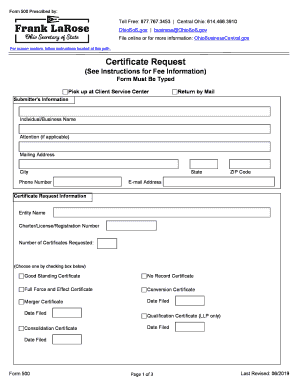
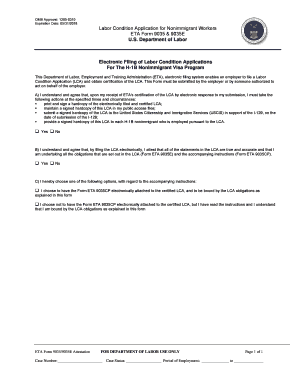
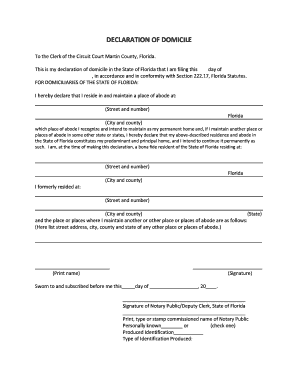
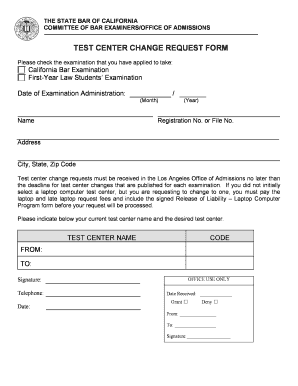
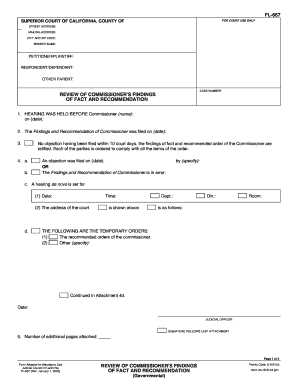
Local Forms Packets for the Superior Court of California are comprehensive compilations of official documents required for various legal proceedings within the state's jurisdiction. These forms are customized to meet the specific legal and procedural requirements of each county's superior court. They ensure that individuals and entities involved in legal processes provide uniform and complete information, facilitating a smooth judicial process.
- Purpose: Serve as standardized documents for legal filings.
- Composition: Includes forms for civil, criminal, family, probate, and small claims court proceedings.
- Customization: Tailored to specific county requirements within California.
How to Use the Local Forms Packets
To effectively utilize the Local Forms Packets, one must understand the context and requirements of their specific legal case. Here, we provide a step-by-step guide to using these packets effectively:
-
Identify Required Forms: Determine which forms are necessary for your specific legal need. This can be influenced by the type of case (e.g., family law, probate).
-
Careful Completion: Fill out all relevant sections accurately. Pay attention to mandatory fields, which are often marked with an asterisk.
-
Review and Assembly: Review the completed forms for accuracy and completeness. Assemble them according to the court's instructions, which may detail the order and method of submission.
-
Submission: Submit the completed form packet through the appropriate channels, such as in-person at the court, via mail, or online where available.
How to Obtain the Local Forms Packets
Obtaining the Local Forms Packets involves accessing the correct resources and knowing where to look:
-
Court Websites: Most superior courts provide downloadable forms on their official websites. These are typically in PDF format for ease of printing and submission.
-
Court Clerk's Office: For those without internet access, physical copies can often be picked up at the clerk’s office in the relevant county courthouse.
-
Legal Aid Services: Many services provide guidance and access to the required forms, often at little or no cost.
Steps to Complete the Local Forms Packets
Completing the Local Forms Packets requires diligent attention to detail. Here’s a thorough approach:
-
Understand Legal Terminology: Familiarize yourself with any legal terms used within the forms to ensure accurate completion.
-
Follow Instructions: Each form comes with specific instructions concerning completion and submission—adhere strictly to these.
-
Verification: It’s advisable to verify information with relevant documents, like legal notices or identification records.
-
Consultation: If uncertain, consulting with a legal advisor or attorney can provide clarity and ensure form accuracy.
Key Elements of the Local Forms Packets
Understanding the Key Elements involved in Local Forms Packets is crucial for accurate and complete submissions:
-
Header Information: Includes court name, case number, and involved parties’ details.
-
Sections for Case Details: Capture essential information about the case, including descriptions and any financial claims.
-
Signature Lines: Designated spaces for signatures, which may require notarization or witness.
State-Specific Rules for the Local Forms Packets
The specificity of each Local Forms Packet often means adhering to state and even county-specific regulations. Here's how state guidelines impact form usage:
-
Variations by County: While there is a default state format, specific counties may have additional or amended forms.
-
Legal Compliances: Some forms necessitate compliance documents, like proof of residency, especially in family law cases.
-
Deadline Adherence: Courts often stipulate strict deadlines for submissions relative to the case type.
Examples of Using the Local Forms Packets
To contextualize the use of Local Forms Packets, consider these scenarios:
-
Landlord-Tenant Dispute: The packets can include eviction notices or rent dispute filings, demonstrating their utility in property law contexts.
-
Family Law: Forms cover actions such as custody modifications or restraining orders, showcasing their applicability in personal legal matters.
-
Small Claims Court: These packets provide a simplified process to claim damages or debts.
Required Documents
Completion of the Local Forms Packets is contingent upon gathering requisite documents:
-
Identification: Valid ID to verify the parties involved.
-
Evidence: Supporting documents such as contracts or payment proofs for civil cases.
-
Financial Statements: These are necessary for cases involving financial claims or settlements, providing a comprehensive view of monetary situations.
Form Submission Methods
Submitting forms is just as crucial as completing them. Here's how you can submit your Local Forms Packets:
-
Online Submission: For tech-savvy individuals, many courts now accept online submissions directly through their websites.
-
In-Person: Some courts still require in-person submissions to verify identity and check completeness.
-
Mail: Postal submission remains a viable option, especially when digital submission is unavailable.
Penalties for Non-Compliance
Compliance is mandatory when dealing with legal forms. Failure to adhere can lead to significant consequences:
-
Dismissal or Delay: Incomplete forms can delay or even dismiss court proceedings.
-
Fines: Some filings come with stipulated fees; failure to include these can lead to fines.
-
Legal Ramifications: Incorrect application due to non-compliance with state laws may affect the case's outcome or result in additional legal action.
Eligibility Criteria
Understanding who is eligible to use these forms is crucial:
-
Residency Requirement: Often, forms demand proof of California residency for legal actions within the state.
-
Legal Standing: The party must demonstrate a legitimate legal concern or standing in the involved matter.


Who Issues the Form
Responsibility for issuing these forms lies with specific legal authorities:
-
Superior Court: Each county’s superior court typically compiles and distributes these forms.
-
Judicial Council of California: Develops standard forms that are then localized by the courts.
This content is designed to provide in-depth understanding and guidance for anyone needing to navigate the use of Local Forms Packets for the Superior Court of California.