





Definition and Meaning of Immunization Certificate Format
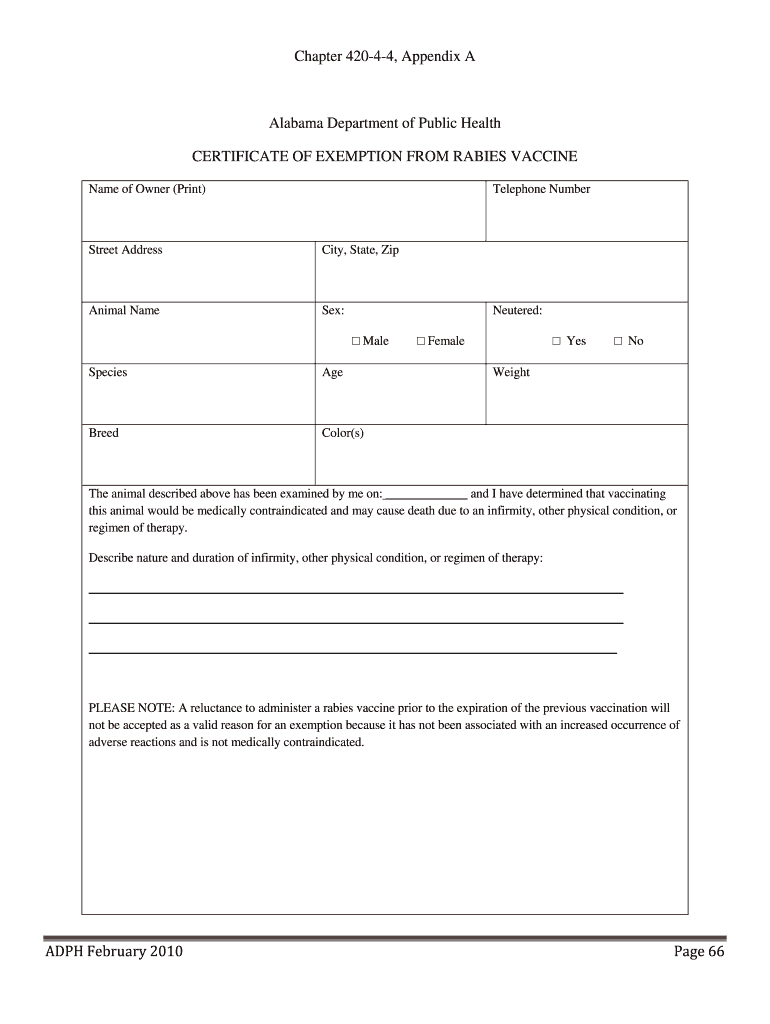
An immunization certificate format serves as an official document that verifies an individual's immunization status. This certificate typically includes details about the vaccines the person has received, including dates administered and the administering health professional's information. Its primary purpose is to prove compliance with vaccination requirements for school enrollments, employment, travel, and other activities where proof of immunization is mandated.
- Purpose: To provide an official record of vaccinations received.
- Content:
- Name of the individual
- Date of birth
- List of vaccines administered
- Dates of vaccination
- Issuer's contact information
In the United States, different states may have specific criteria regarding the required vaccinations and the format of the immunization certificate. Generally, certificates must be clear, concise, and printed on official letterhead from the healthcare provider or organization that administered the immunizations.
Key Elements of the Immunization Certificate Format
Understanding the essential components of an immunization certificate format ensures that it meets legal requirements and adequately serves its purpose. The following key elements should typically be included:
- Personal Information: The individual's full name, date of birth, and demographic details as necessary for identification.
- Vaccine Information:
- Names of vaccines received (e.g., MMR, Hepatitis B)
- Dates of vaccination, formatted consistently (month/day/year)
- Provider Information: The name, title, and contact information of the healthcare provider or clinic that administered the vaccinations.
- Signature and Date: A signature from the healthcare provider or an official stamp that validates the authenticity of the certificate.
- Notes or Exemptions: Any additional notes that may be relevant, such as medical exemptions or upcoming vaccination reminders.
The clarity and organization of this information help when reviewing the certificate for school admissions or travel purposes.
How to Use the Immunization Certificate Format
Using the immunization certificate format involves knowing when and how to present the document. Here are several scenarios where an immunization certificate may be required:
- School Enrollment: Many educational institutions require proof of vaccinations before enrollment.
- Employment: Certain employers may ask for immunization records as a condition of hiring, particularly in healthcare settings.
- Travel: Some countries necessitate proof of specific vaccinations for entry, especially for diseases such as Yellow Fever.
- Sports Participation: Local sports organizations often demand proof of immunizations for participating athletes.
To ensure proper use:
- Always keep the original certificate in a safe location.
- Make copies as needed, ensuring they include all required details.
- Stay informed about any state-specific requirements that may affect documentation.
Steps to Complete the Immunization Certificate Format
Completing an immunization certificate format correctly is crucial for its acceptance. Follow these steps for a proper completion process:
- Collect Personal Data: Gather all necessary personal information, including the individual's full name and date of birth.
- List Vaccination History:
- Review vaccination records to ensure all required vaccinations are accounted for.
- Enter each vaccine name and its corresponding administration date in the designated areas.
- Include Provider Details: Provide the name, title, and contact information of the administering healthcare provider. This may include a section for the clinic's official letterhead.
- Sign and Date: The healthcare provider must sign the certificate to validate it. Some formats also require a date next to the signature.
- Review for Accuracy: Double-check for any spelling errors or omissions. Ensure that the document adheres to the relevant state or institutional requirements.
Failure to accurately complete these steps may lead to issues when the certificate is presented.
Legal Use of the Immunization Certificate Format
The legal standing of an immunization certificate format is critical, particularly regarding compliance with state and federal health regulations. Here are key considerations:
- Regulatory Compliance: Various laws mandate that schools and employers uphold vaccination requirements, necessitating valid proof through the immunization certificate.
- Validity: Certificates must be issued by licensed healthcare providers to be deemed legitimate. Self-created documents without provider signatures typically lack legal standing.
- State Variations: Each state may have specific immunization laws, which can affect which vaccines are mandatory and the acceptable formats for documentation. Familiarity with local regulations is essential for legal use.
It's crucial to understand and adhere to these legal frameworks to avoid potential fines or legal complications.
Examples of Using the Immunization Certificate Format
Practical scenarios can help illustrate how the immunization certificate format is utilized. Here are a few examples:
- School Admission: A parent submits their child's immunization certificate as part of the enrollment paperwork required by a public school, confirming the child has received all necessary vaccinations mandated by state law.
- Job Requirement: A healthcare worker provides their immunization certificate to a new employer who requires proof of immunizations, including Hepatitis B and MMR, before beginning employment.
- Travel Documentation: A traveler presents their immunization certificate upon entering a country that requires proof of vaccination against specific diseases, such as Polio or Yellow Fever, to avoid quarantine.
These examples demonstrate the versatile application of an immunization certificate format across various contexts, highlighting the importance of obtaining and maintaining accurate records.