




Definition and Meaning of the Annexation Agreement for Certain Property
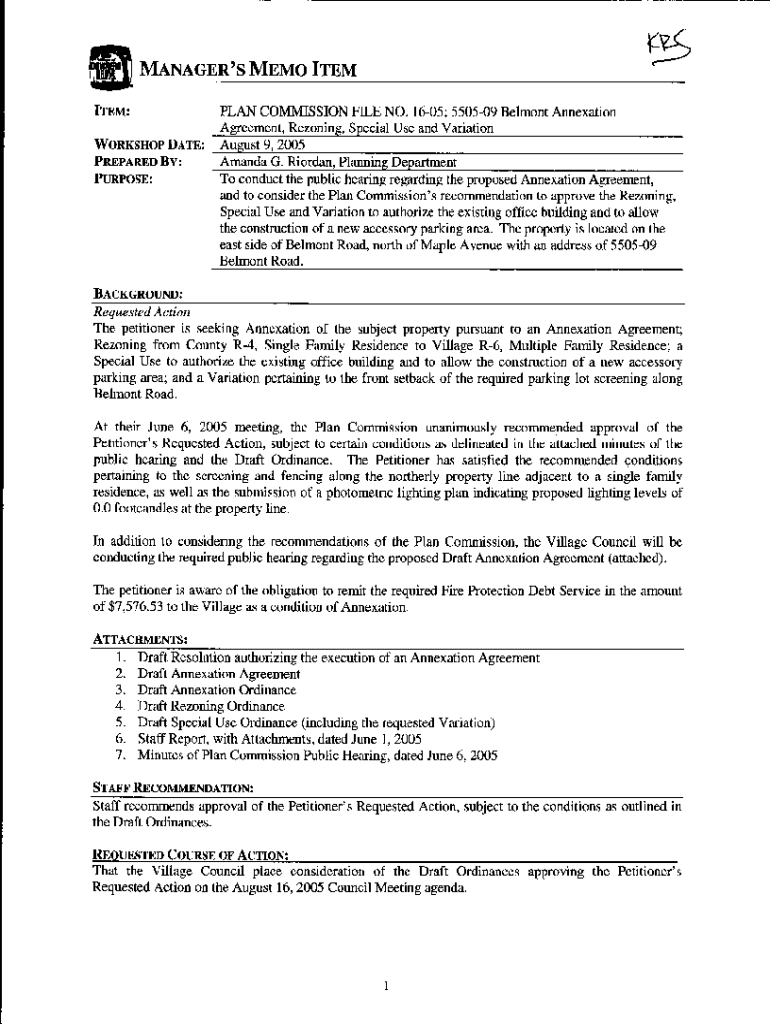
An annexation agreement is a legal contract between a municipality and property owners, detailing the terms under which specific property will be integrated into the municipal boundaries. In the context of the "Annexation Agreement for Certain Property," this document typically outlines essential aspects such as zoning changes, utility provisions, and compliance with local codes. For instance, properties may be rezoned to accommodate new residential or commercial uses, such as transitioning to an R-6 Multiple Family Residence zoning. Understanding these definitions is crucial for all parties involved, as the agreement has binding legal implications and ensures that the annexation process occurs smoothly and adheres to local regulations.
How to Use the Annexation Agreement for Certain Property
To effectively leverage the annexation agreement, both property owners and municipalities must carefully review the stipulated terms. Initially, property owners should ensure that the agreement's provisions align with their development objectives, especially regarding zoning adjustments and utility easements. The agreement also typically includes special use permits if needed, covering developments like office buildings or parking expansions. Municipalities, on their part, should confirm that the annexation supports broader city planning goals and infrastructure capabilities. Key steps include:
- Review Terms and Conditions: Study zoning changes and compliance requirements.
- Consult Legal Advisors: Seek legal advice to ensure all obligations and rights are clear.
- Formalize Agreement: Both parties must sign the document to execute the agreement legally.
- Communicate with Stakeholders: Keep affected community members informed about annexation impacts.
Steps to Complete the Annexation Agreement for Certain Property
Completing the annexation agreement involves several crucial steps to ensure full compliance and mutual understanding between the property owner and the municipality:
- Initial Consultation: Hold meetings between property owners, municipal representatives, and legal advisors.
- Draft Agreement: Develop the initial draft of the agreement, outlining essential terms such as zoning changes, utility arrangements, and timelines.
- Review and Revise: Both parties should thoroughly review the draft and suggest necessary revisions to ensure mutual satisfaction and compliance with local regulations.
- Legal Review: A final legal assessment should validate the agreement’s terms against current laws and municipal guidelines.
- Final Agreement Signing: The agreement is signed by all relevant parties, making it legally binding.
Important Considerations
- Timeline: Clarify the implementation timeline and any phased responsibilities.
- Compliance: Ensure compliance with municipal codes and other legal obligations.
Key Elements of the Annexation Agreement for Certain Property
The annexation agreement encompasses various critical elements essential for a smooth transition of property jurisdiction:
- Zoning Changes: Detailed descriptions of zoning reclassifications, such as shifting to R-6 Multiple Family Residence.
- Utility Easements: Outline necessary utility easements to service the newly annexed property adequately.
- Development Obligations: Clearly defined development roles and responsibilities, including any required infrastructure upgrades.
- Compliance with Municipal Codes: Obligations concerning adherence to local laws and ordinances.
- Special Use Permits: Authorization for unique property uses, such as constructing office buildings.
Legal Use of the Annexation Agreement for Certain Property
The annexation agreement serves as a legally binding contract between the involved parties. Its primary function is to ensure that the annexation process aligns with local, state, and federal laws. Ensuring legal compliance includes:
- Zoning and Land Use Regulations: Adhering to zoning laws is crucial, especially when there are changes from the original use classification.
- Municipal Code Compliance: Implementing any necessary modifications to meet municipal standards.
- Enforcement Mechanisms: Stipulating enforcement measures in case of non-compliance or disputes.
State-Specific Rules for the Annexation Agreement for Certain Property
Different states in the U.S. have distinct laws that govern property annexation. These may include varying requirements for public hearings, environmental reviews, and notifications. For example:
- Illinois: Emphasizes transparency through public notices and stakeholder consultations.
- California: Often requires environmental impact assessments as part of the annexation application.
Understanding and complying with state-specific rules is essential to ensuring the legality and effectiveness of annexation agreements.
Examples of Using the Annexation Agreement for Certain Property
To illustrate the application of annexation agreements, consider the following scenarios:
- Village of Downers Grove: The municipality engaged with property owners to annex areas on Belmont Road, incorporating zoning changes and fulfilling obligations like utility easements and municipal compliance.
- Residential Development: A property owner may use the agreement to integrate a new housing complex into city limits, ensuring access to city services and a stable tax foundation.
Who Typically Uses the Annexation Agreement for Certain Property
The primary users of annexation agreements include:
- Municipalities: Local governments looking to expand their jurisdiction and tax base.
- Property Owners: Individuals or entities whose properties are being incorporated into a municipality.
- Developers: Real estate developers aiming to align new projects with municipal resources and infrastructure.
Understanding who benefits from annexation agreements helps in tailoring their development and negotiation processes effectively.