




01. Edit your free broker open feedback form online
Type text, add images, blackout confidential details, add comments, highlights and more.

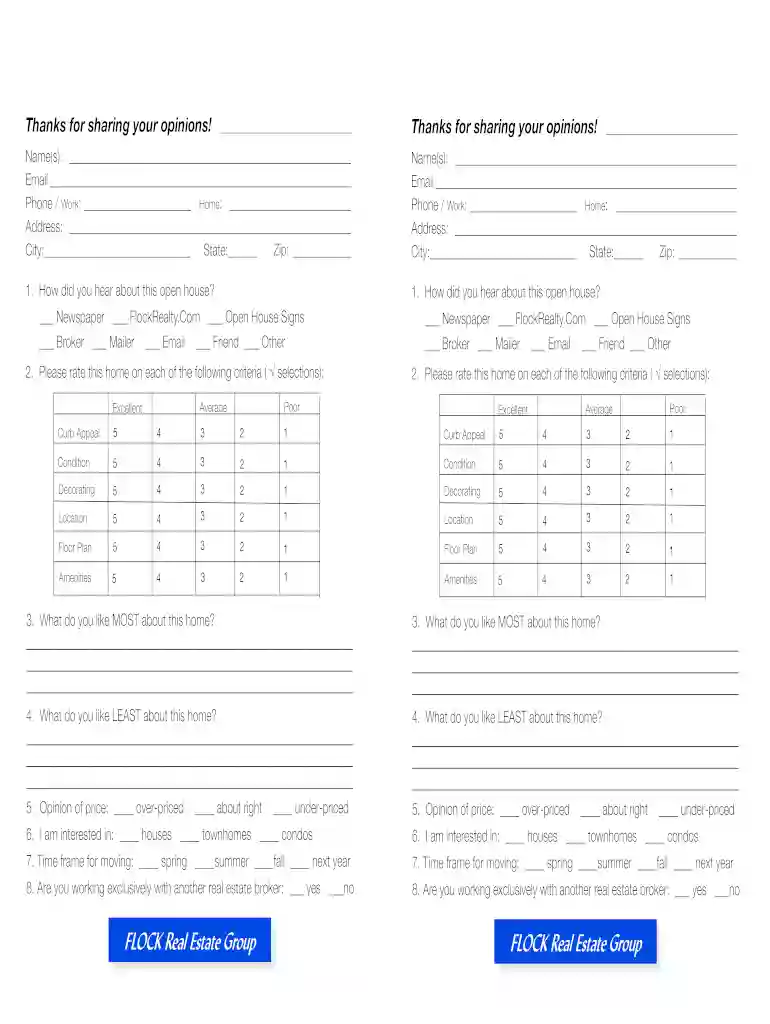
Type text, add images, blackout confidential details, add comments, highlights and more.

Draw your signature, type it, upload its image, or use your mobile device as a signature pad.

Send broker open house feedback form via email, link, or fax. You can also download it, export it or print it out.
An open house feedback form is a valuable tool used primarily in real estate to gather insights from potential buyers or attendees on properties during open house events. This form typically requests attendees to share their opinions regarding various aspects of the property, including curb appeal, layout, features, and overall impression. By collecting this information, agents and sellers can better understand buyers’ preferences, identify areas for improvement, and gauge interest in the property.
The feedback form typically includes sections for:
This structured approach ensures that valuable feedback is systematically gathered and can be analyzed for actionable insights.
Using an open house feedback form involves several straightforward steps that maximize its effectiveness in capturing attendees' insights.
Distribute the Form: Provide attendees with the feedback form either in print or digitally. Many agents opt for a digital version to facilitate completion on mobile devices, thus enhancing participation.
Encourage Completion: It's beneficial to emphasize the importance of feedback in improving future open houses and ensuring that homes match buyer needs. Incentives, such as entering participants into a raffle, can increase completion rates.
Collect Responses: Post-event, gather submitted forms either through physical collection at the site or by reviewing responses if the form was completed online. Ensure you have a method for organizing and storing collected data securely.
Analyze Feedback: Review the responses to identify common themes, strengths, and areas of improvement. This analysis can inform marketing strategies, staging decisions, and ultimately, pricing strategies.
Follow-up: Depending on the responses received, consider reaching out to attendees to thank them for their feedback, share any improvements that may result, or to provide additional information about the property.
Obtaining an open house feedback form is a simple and efficient process. Various options are available, allowing real estate agents and property sellers to select what best suits their needs.
Online Templates: Websites such as DocHub offer free, customizable templates for feedback forms. Users can access and alter these templates to fit their specific requirements, ensuring that all relevant questions are included.
Real Estate Associations: Many real estate associations provide standard feedback forms for their members. Being a part of such professional groups often grants access to valuable resources, including feedback forms designed based on industry best practices.
Custom Development: For agents looking for a tailored solution, creating a custom feedback form via document editing platforms is advantageous. This allows for specific branding and unique questions that might be relevant to particular properties or market conditions.
Printable Formats: For those preferring paper forms, numerous websites provide downloadable PDF versions of feedback forms that can be printed easily and used during open homes.
Completing an open house feedback form is designed to be a straightforward process for attendees. To ensure clarity, the form typically follows these steps:
Personal Information: Attendees input their name, contact details, and other demographic information at the top of the form. This data is crucial for real estate agents to follow up with potential buyers.
Rating Sections: Most forms provide sections for attendees to rate various aspects of the property on a scale (for example, one to five). Common categories include cleanliness, design, location, and overall impression.
Open-Ended Responses: Attendees are encouraged to provide comments elaborating on their ratings. This section captures qualitative feedback that can reveal insights that numeric ratings may not convey.
Interest Assessment: Attendees often indicate their level of interest in the property, as well as any specific features they might prefer in a future property. This helps agents gauge potential buyer engagement.
Submission: Finally, attendees submit their completed forms, either in person or digitally, depending on how the form is being used. Ensuring that the form is easy to access and submit will increase the likelihood of responses.
An effective open house feedback form should be carefully designed to collect comprehensive feedback. Some key elements to include are:
Personal Information Sections: Capture basic details such as names and contact information to facilitate follow-ups.
Rating Scale Criteria: Include a clear rating system (e.g., one to five) for aspects like property condition, location, and timing. This quantifies responses for easier analysis.
Open-Ended Questions: Offer space for attendees to share specific likes, dislikes, and suggestions. This qualitative feedback is crucial for understanding buyer sentiment.
Interest Level Indicators: Ask attendees how likely they are to consider making an offer or visiting additional properties. This helps agents gauge engagement and market demand.
Demographics: Including optional demographic questions can provide insights into the types of buyers attending open houses, which might align with effective marketing strategies.
These elements ensure the feedback form is not only informative but also efficient in gathering actionable insights that can impact sales strategies.
At DocHub, your data security is our priority. We follow HIPAA, SOC2, GDPR, and other standards, so you can work on your documents with confidence.
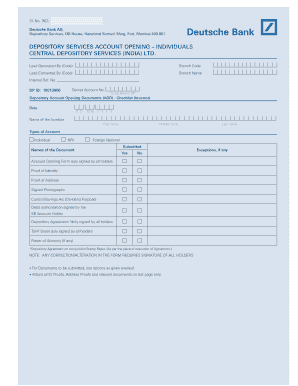

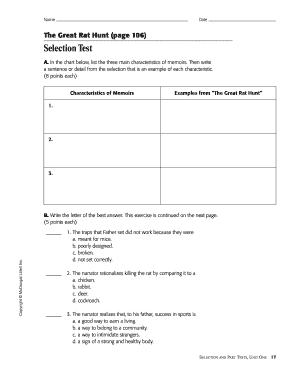


Page 1. We need to hear from you! Page 2. OPEN HOUSE FEEDBACK. Additional Comments.Read more
This is a form for internal purposes to give feedback on Open House.
May 12, 2012 360-degree feedback will give people the information they need to make intelligent decisions. Some believe that once people get the open andRead more


