






Definition & Meaning
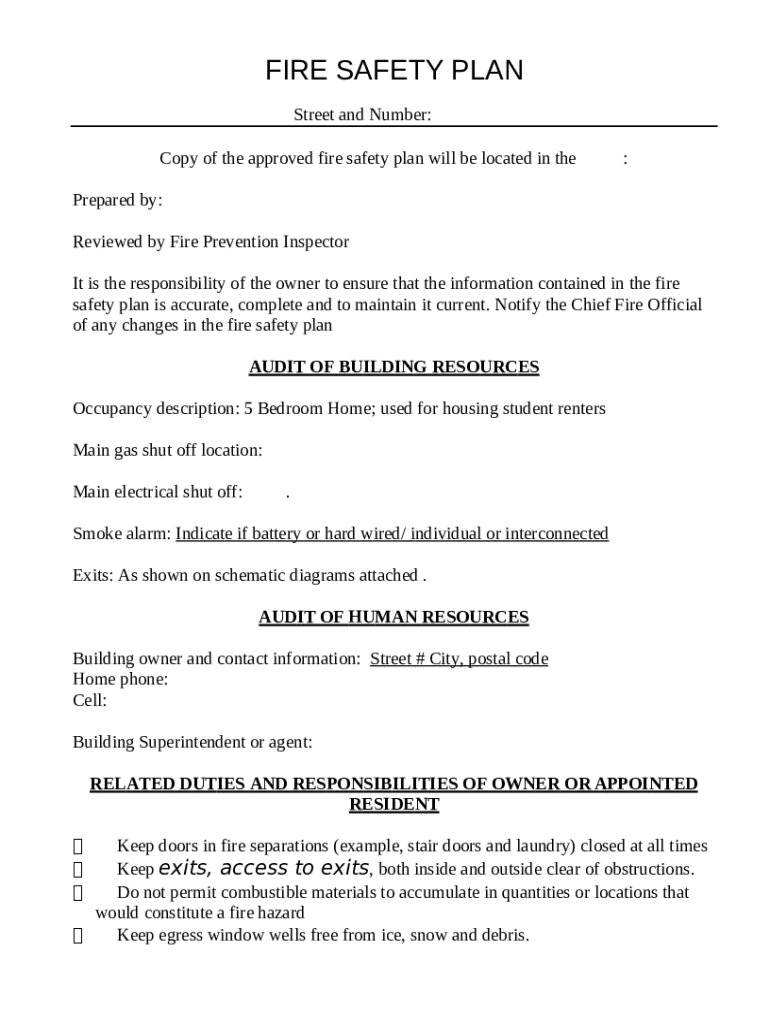
A Fire and Life Safety Plan Review is a structured assessment process used to evaluate a building's fire safety features and emergency preparedness. Its primary purpose is to ensure that fire safety measures meet legal and Code requirements, providing a safe environment for occupants. The review typically involves examining fire alarms, sprinkler systems, emergency exits, and other life safety installations. Real estate properties, educational institutions, and commercial buildings often undergo these reviews as part of compliance with safety regulations. Understanding the intricacies of this review process is essential for property owners and managers to ensure adherence to safety standards.
Key Elements of the Fire and Life Safety Plan Review
The Fire and Life Safety Plan Review includes several critical elements that are assessed to gauge compliance and safety. Key components include:
- Fire Detection and Alarm Systems: Ensure that alarms are functional, equipped with backup power, and cover all necessary areas.
- Emergency Exits and Lighting: Verify that exits are clearly marked, accessible, and illuminated by emergency lighting during power outages.
- Fire Suppression Systems: Check the presence and condition of sprinklers, fire extinguishers, and other suppression equipment.
- Evacuation Procedures: Evaluate planned routes and procedures to ensure efficient evacuation in emergencies.
- Building Construction: Assess materials and structural elements that could impact fire spread and occupant safety.
Each element is meticulously reviewed to ensure it meets specific safety criteria and functionality requirements.
Steps to Complete the Fire and Life Safety Plan Review
Completing a Fire and Life Safety Plan Review involves several systematic steps. These steps ensure thorough assessment and adherence to safety standards:
- Initial Inspection: Conduct a walkthrough to observe existing fire safety systems and note any evident deficiencies.
- Documentation Review: Examine blueprints, specifications, and prior inspection reports for a comprehensive understanding of the building's design and historical safety measures.
- Functional Testing: Test all safety systems, including alarms, lighting, and extinguishers, to confirm they operate correctly.
- Code Compliance Check: Evaluate how the current safety measures align with local, state, and federal fire safety codes.
- Report Compilation: Document findings, including deficiencies and recommendations for improvement or upgrades.
- Implementation of Changes: Address identified issues, make necessary adjustments, and upgrade safety installations as recommended.
Following these steps can significantly reduce risks related to fire and life safety.
Why Should You Fire and Life Safety Plan Review
The importance of conducting a Fire and Life Safety Plan Review cannot be overstated. It is a vital step in ensuring the well-being of building occupants and complying with legal obligations. Some of the key reasons include:
- Safety Assurance: It identifies potential hazards, ensuring that necessary safety measures are in place.
- Legal Compliance: Helps adhere to mandatory fire safety regulations and avoid penalties.
- Risk Mitigation: Reduces the risk of extensive property damage and potential loss of life in the event of a fire.
- Insurance Requirements: Often required by insurance policies for coverage eligibility.
- Maintenance and Upgrades: Encourages regular maintenance and timely upgrades to safety installations.
Overall, a detailed review facilitates peace of mind by prioritizing safety and compliance.
Who Typically Uses the Fire and Life Safety Plan Review
Various stakeholders are involved in using and benefiting from a Fire and Life Safety Plan Review:
- Building Owners and Managers: To ensure their properties comply with safety standards and avoid potential lawsuits or fines.
- Local Fire Departments: Often involved in reviewing plans and conducting initial inspections to enforce compliance.
- Architects and Engineers: Use it to design or remodel structures in line with fire safety requirements.
- Insurance Companies: Require proof of compliance as part of risk assessment for property insurance coverage.
- Facilities Managers: Use it to maintain ongoing safety checklists and ensure operational efficiency.
These participants play a crucial role in the planning, execution, and monitoring of fire safety plans.


Legal Use of the Fire and Life Safety Plan Review
The Fire and Life Safety Plan Review has several legal dimensions that users must consider:
- Regulatory Compliance: Aligns with federal, state, and local fire safety regulations to avoid legal penalties.
- Building Codes: Ensures building and renovation plans meet fire safety codes, impacting permits and occupancy approvals.
- Liability Limitation: Establishes legal documentation for safety measures, reducing liability in case of incidents.
- Contractual Obligations: When leasing property, landlords might include these reviews as part of lease contracts.
- Preparedness Verification: Confirms that emergency plans and equipment meet mandatory safety standards for legal occupancy.
Understanding these legal aspects is essential to navigating regulatory landscapes effectively.
Required Documents
A comprehensive Fire and Life Safety Plan Review involves gathering and assessing essential documents that provide critical safety information:
- Blueprints and Architectural Plans: Provide a detailed layout of the building, highlighting key safety system placements.
- Previous Inspection Reports: Offer insights into past safety assessments and any corrective actions undertaken.
- Fire Equipment Certifications: Validate the testing and operational status of fire suppression and detection systems.
- Emergency Plan Documentation: Outline evacuation procedures and roles/responsibilities to ensure readiness during an emergency.
- Maintenance Records: Document scheduled maintenance and repairs of life safety systems for compliance verification.
These documents form the backbone of a meticulous review, enabling informed decision-making and compliance verification.