





Definition and Meaning
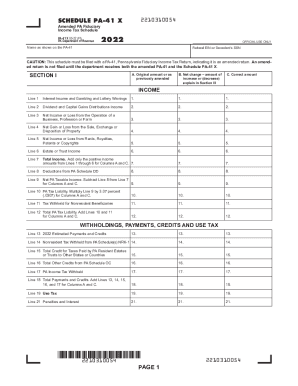
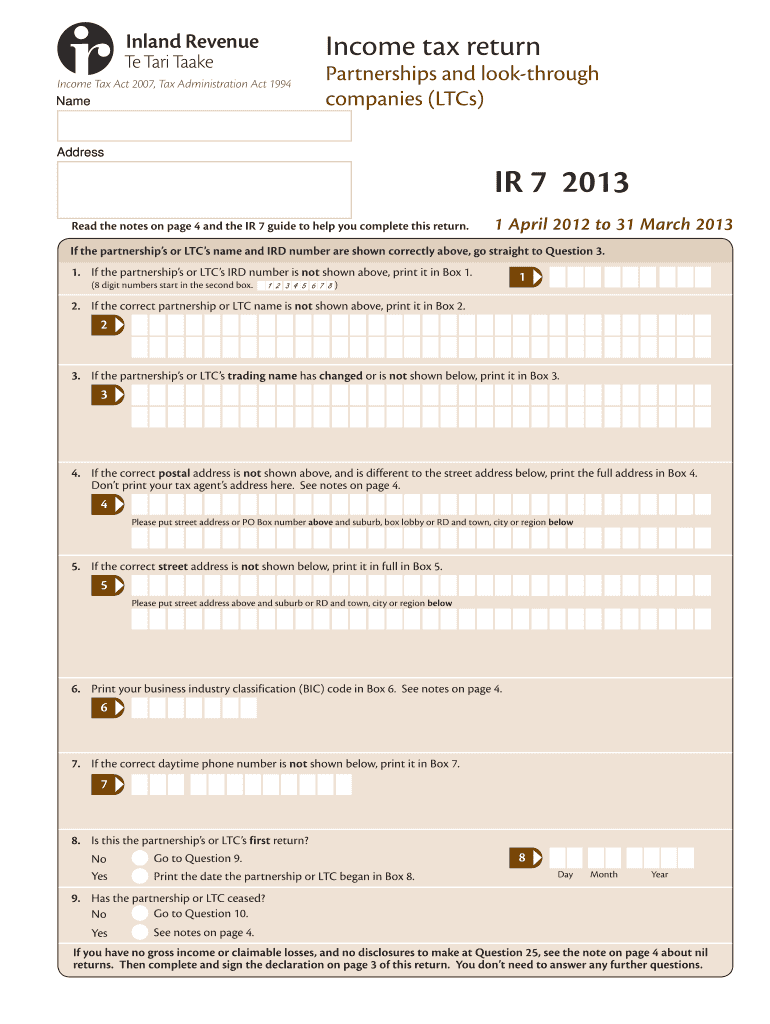
The "Income Tax Return" refers to a form used by taxpayers in the United States to report income, calculate taxes owed, and determine whether they owe money to the Internal Revenue Service (IRS) or are eligible for a tax refund. This document serves as a detailed declaration of a taxpayer’s financial activities over a specified tax year, which typically spans from January 1 to December 31. The form includes sections for detailing income sources, deductions, and tax credits.
The primary purpose of the income tax return is to provide a comprehensive summary of financial activities in alignment with IRS requirements. Individual taxpayers, businesses, and other entities use various forms—such as the 1040 for individuals, the 1120 for corporations, and the 1065 for partnerships—depending on their specific filing status and situation.
How to Use the Income Tax Return
Filing an income tax return involves several key steps to ensure accuracy and compliance with IRS regulations. The process begins by collecting relevant financial documents, such as W-2s, 1099s, and records of all other income sources. Taxpayers then need to determine which deductions and credits they qualify for, which can significantly impact the amount of taxes owed or refund received.
-
Gather Financial Documents:
- W-2 forms from employers
- 1099 forms for other income types
- Documentation of deductible expenses
-
Calculate Taxable Income:
- Sum all income sources
- Subtract allowable deductions
-
Determine Tax Liability:
- Use IRS tax tables or software
- Apply any eligible tax credits
-
File the Return:
- Submit through e-filing for faster processing
- Paper filing is an alternative, though slower
Using tax preparation software like TurboTax or enlisting the help of a certified tax professional can alleviate some of the complexities involved in this process, ensuring compliance and maximizing potential refunds.
Steps to Complete the Income Tax Return
Completing an income tax return can be a meticulous task, requiring careful attention to detail. The process varies slightly depending on the type of form being used but generally follows these steps:
- Personal Information: Begin with filling in personal data, including name, address, and Social Security number.
- Income Reporting: Report all sources of income, such as wages, dividends, self-employment earnings, and other taxable income.
- Adjustments and Deductions: Provide details for deductions and adjustments against your income to lower taxable income (e.g., student loan interest, IRA contributions).
- Tax Computation: Calculate both gross tax liability and net tax owed after considering credits and prepayments.
- Refund or Payment Information: If owed a refund, include bank details for direct deposit; if a payment is due, specify payment options.
- Sign and Submit: Ensure all sections are completed and sign the form before submission. Incorrect or unsigned forms can result in processing delays.
Required Documents
Proper documentation is critical for an accurate tax return. The type of documents needed can vary based on personal circumstances but typically include:
- Proof of Income:
- W-2 forms for employment income
- 1099 forms for freelance work, investments, and other income
- Business income statements
- Expense Records:
- Receipts for deductible expenses like medical costs
- Mortgage interest statements
- Education and Family Credits:
- Documentation for educational expenses
- Dependent details
Having all necessary documents prepared before starting the return can prevent errors and ensure a smooth filing process.
Filing Deadlines and Important Dates
The IRS sets specific deadlines for filing taxes to ensure timely processing and avoid penalties. The standard deadline for personal income tax returns is April 15 of each year. However, if this date falls on a weekend or a holiday, the deadline may be extended to the next business day.
- Extension Requests: Taxpayers can apply for an automatic six-month extension if unable to meet the deadline, moving the final due date to October 15.
- Estimated Tax Payments: Quarterly payments may be required for individuals who expect to owe taxes of $1,000 or more when filing.
To avoid interest and penalties, it is crucial to adhere to these timelines or secure an extension if necessary.
Penalties for Non-Compliance
Failing to file or pay on time can result in several penalties imposed by the IRS:
- Failure-to-File Penalty: If a taxpayer does not file their return by the deadline, the penalty can be five percent of the unpaid taxes each month the return is late, up to a maximum of 25 percent.
- Failure-to-Pay Penalty: Not paying owed taxes by the due date incurs a penalty of 0.5 percent of the unpaid taxes for each month or part of a month, up to a maximum of 25 percent.
- Interest on Unpaid Taxes: Continues to accrue on any unpaid balance from the due date until paid in full.
These penalties underscore the importance of timely filing and payment or seeking an extension to avoid financial repercussions.
Digital vs. Paper Version
Both digital and paper formats are available for filing income tax returns, each offering distinct advantages:
- Digital Filing (e-filing):
- Offers faster processing and quicker refunds
- Minimizes risk of errors with built-in validation checks
- Provides instant confirmation of receipt
- Paper Filing:
- Can be preferable for individuals who prefer physical documentation
- May be necessary if filing certain forms not supported by e-filing
The increasing preference for e-filing is driven by its efficiency, speed, and reduced likelihood of mistakes, although some taxpayers still opt for the traditional paper method due to personal preference or necessity.
IRS Guidelines and Resources
Understanding IRS guidelines is vital for accurate tax return filing. The IRS provides a wealth of resources:
- Official IRS Website: Comprehensive information on forms, instructions, and legislation.
- Publications and Guides: Documents like Publication 17 offer detailed guidance on filing procedures.
- Helpline Services: IRS can be contacted for direct assistance or clarification of tax laws.
Staying informed about updates, changes in tax laws, and available resources ensures taxpayers can meet their obligations effectively while optimizing their tax situations.
Taxpayer Scenarios: Self-employed, Retired, and Students
Different taxpayer scenarios influence income tax return filing:
- Self-Employed:
- Must file Schedule C for business profit and loss
- Pay self-employment tax covering Social Security and Medicare
- Retired Individuals:
- May need to report Social Security benefits and pension income
- Consider impacts of retirement account distributions on taxable income
- Students:
- Possible eligibility for education-related credits
- Reporting of scholarships, grants, and part-time work
Recognizing the unique considerations for each scenario ensures compliance and maximizes potential tax benefits.