



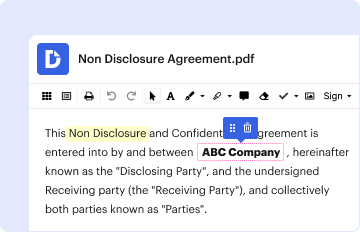
01. Edit your examples of court motions online
Type text, add images, blackout confidential details, add comments, highlights and more.

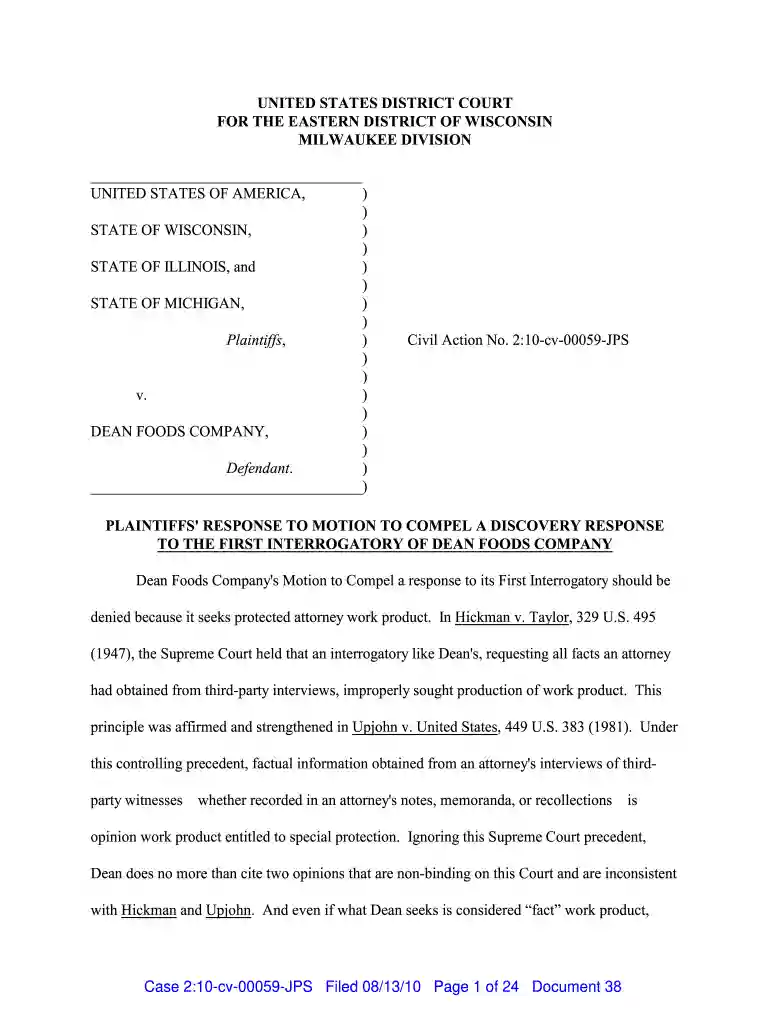
Type text, add images, blackout confidential details, add comments, highlights and more.
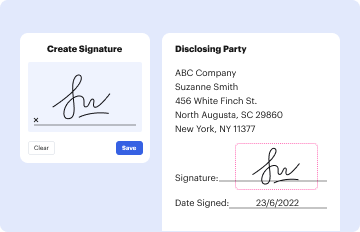
Draw your signature, type it, upload its image, or use your mobile device as a signature pad.
Send court motion templates free via email, link, or fax. You can also download it, export it or print it out.
Court motions are vital legal documents that request the court to take a specific action. They play a critical role in the legal process, allowing parties to present their arguments and seek relief from the court. To effectively write a motion template, one needs to grasp the underlying principles of court motions and the specific format in which they need to be drafted. Understanding these motions helps in achieving favorable outcomes within the legal framework.
Various types of court motions exist depending on the context and purpose. Recognizing the type relevant to your situation is crucial.
Each type of motion requires a unique format and specific language to satisfy procedural rules.
A well-structured motion template consists of several essential elements that must be included to ensure clarity and adherence to legal standards.
To draft an effective motion template, follow these practical steps:
Writing a court motion can be complex, and certain mistakes can undermine the effectiveness of the document:
Understanding the practical application of motion writing is enhanced through relevant examples. Notable court motions that demonstrate various intents include:
Different courts may have specific formatting requirements for motions, including font size, margins, or citation style. It is crucial to familiarize oneself with these requirements to ensure compliance, which can vary widely from state to state and federal courts.
Using legal motion templates offers several advantages, including ensuring consistency, facilitating the organization of thoughts, and allowing for efficiency when multiple motions need to be filed. Templates serve as a starting point, enabling practitioners to focus on the substance of their motions rather than the mechanical aspects of formatting.
When using these templates, always ensure customization to fit the specifics of the case at hand, as generic motions may fail to address the unique aspects that can impact the outcome.
At DocHub, your data security is our priority. We follow HIPAA, SOC2, GDPR, and other standards, so you can work on your documents with confidence.



After the caption and title, your organizational structure will vary depending on your own stylistic preferences and the requirements of your jurisdiction.Read more
This template provides general guidance about writing and filing a Motion. Before filing your Motion, make an appointment for free legal information andRead more
You need to provide a list of variables and the value that variable should get if not told differently when the template is referenced. See the tooltips below.Read more


