






Definition and Meaning of Registration Form
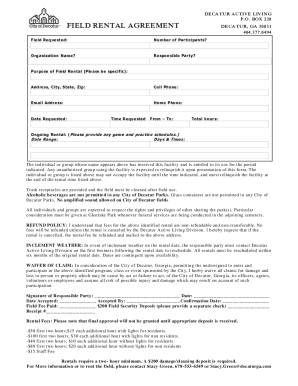
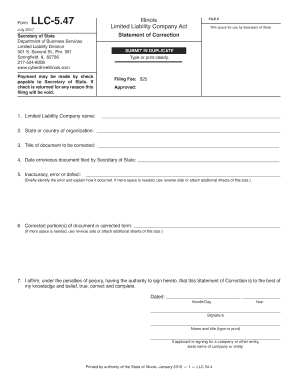
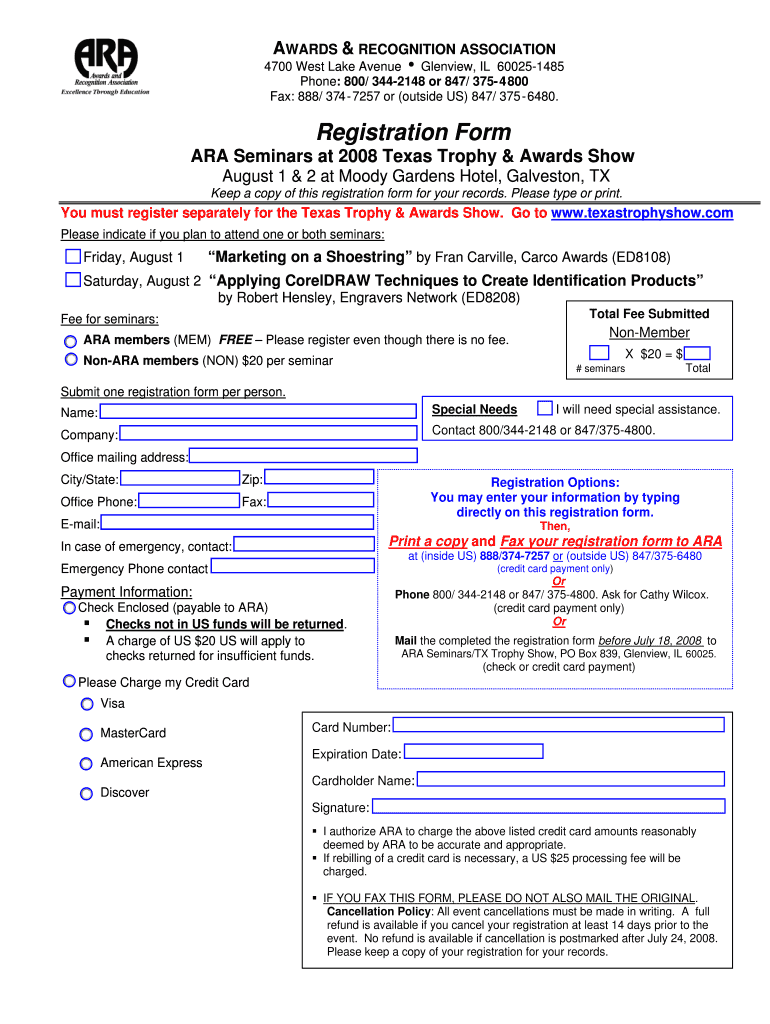
A registration form is a standardized document or digital format used to collect personal and other relevant data from participants, clients, or members. It serves as a primary means to gather essential information required for official purposes, whether for an event, membership enrollment, or other practical applications. The registration form is pivotal in organizing details efficiently and systematically, ensuring all necessary data fields are completed for accurate processing. Typically, this form comprises sections for name, contact information, demographics, and specific preferences or needs related to the registration purpose, enhancing the organization's ability to cater to registrants' requirements.
Key Elements of the Registration Form
Understanding the structure of a registration form is crucial for effective completion and submission. It generally includes some or all of the following elements:
- Personal Information: Name, address, phone number, email, and date of birth are fundamental fields that identify the registrant.
- Specific Requests or Preferences: Options to indicate preferences, such as session selections or meal choices, provide tailored services.
- Emergency Contacts: Often mandatory for events or programs where safety measures require additional contacts.
- Terms and Conditions: A section where participants have to acknowledge and agree to the rules and policies governing their enrollment or participation.
- Signature: A space designated for the registrant's signature, confirming the accuracy of information and agreement to terms.
How to Obtain a Registration Form
Accessing a registration form can be performed through multiple channels depending on the context and organizing body. For events, educational programs, or corporate enrollments, the form might be available:
- Online: Most organizations provide digital registration forms on their websites, allowing seamless downloading or direct online completion.
- Email Requests: A link or attached document might be provided upon request sent via email to the event organizer or institution.
- On-Site: Physical copies may be provided at the registration desk of an event or during orientation.
- Through Mail: Upon request, organizations might send physical forms via postal services for those preferring a tangible format.
Steps to Complete the Registration Form
Completing a registration form is straightforward when approached systematically. Here is a step-by-step guide:
- Read Instructions: Carefully review any provided instructions to ensure all required sections are completed correctly.
- Fill Out Personal Details: Input all requested personal information, double-check for accuracy.
- Select Preferences and Options: Make selections relevant to the event or program, such as sessions or additional options if applicable.
- Review Terms and Conditions: Thoroughly read and understand the terms before agreeing, ensuring all policies are clear.
- Enter Supplemental Information: Include any additional requested details, such as emergency contacts or special accommodations.
- Sign and Date: Verify all information is correct before signing, as this confirms consent and completes the registration process.
Who Typically Uses the Registration Form
The utilization of registration forms spans a wide array of sectors and purposes, each with unique user demographics:
- Event Attendees: Individuals registering for conferences, workshops, or corporate events.
- Students and Educators: Enrollments in academic courses or training programs frequently utilize these forms.
- Business Clients: Companies often require registration forms for new clients seeking services or consultations.
- Members and Participants: Organizations that offer memberships, such as clubs or societies, use these forms for onboarding.


Legal Use of the Registration Form
The registration form often carries legal obligations, requiring careful attention to ensure compliance:
- Data Protection Laws: Compliance with regulations such as GDPR or HIPAA (if applicable) is crucial when handling personal data.
- Consent for Data Usage: Registrants must agree to the use of their data for specific purposes outlined in the form.
- License Agreements: For certain memberships or services, registrants must comply with license terms.
- Disclosure Obligations: Completing the form may include mandatory disclosures relevant to the registration purpose.
State-Specific Rules for Registration Forms
State regulations can significantly affect the registration process:
- Data Privacy Laws: Variances in data protection laws by state may dictate specific conditions for form use.
- Sector-Specific Requirements: Different industries may impose additional requirements based on local laws.
- Youth Registrations: Forms for minors may require parent or guardian consent, often mandated by state law.
Digital vs. Paper Version
Both digital and paper versions of registration forms possess specific advantages:
- Digital Forms: Offer quick completion, easy editing, and efficient storage. Their accessibility and processing are faster, facilitating online submissions.
- Paper Forms: Preferred for formal settings, lack of digital interfaces, or by registrants who favor physical documentation.
Evaluating these versions helps organizations determine the best method for distribution and collection based on situational needs and participant preferences.