Definition and Meaning of Anxiety Disorders
Anxiety disorders encompass a range of mental health conditions characterized by excessive fear, worry, or nervousness. These disorders can significantly interfere with daily activities, affecting individuals' work, relationships, and overall quality of life. Unlike temporary stress or anxiety that everyone experiences, these disorders persist and often require professional intervention. Common types include generalized anxiety disorder, obsessive-compulsive disorder (OCD), panic disorder, post-traumatic stress disorder (PTSD), social anxiety disorder, and specific phobias. Understanding the nuances of each type helps in recognizing symptoms and seeking appropriate care.
Steps to Complete Anxiety Disorder Assessments
Completing assessments for anxiety disorders involves several key steps to ensure a comprehensive evaluation.
-
Initial Consultation: Begin with a meeting with a qualified mental health professional who can understand your symptoms and concerns.
-
Symptom Checklist: Use standardized checklists to document the frequency and severity of anxiety symptoms.
-
Diagnostic Interview: Participate in a detailed interview that delves into your personal, medical, and psychiatric history.
-
Psychological Testing: Undergo psychological tests, like the Beck Anxiety Inventory, to quantify anxiety levels.
-
Feedback Session: Once the assessment is complete, the practitioner will discuss the results with you, offering a diagnosis and potential treatment plans.
Engaging in these structured steps is crucial for accurate diagnosis and treatment planning.
Who Uses Anxiety Disorder Assessments
Anxiety disorder assessments are typically used by various professionals and individuals alike.
- Mental Health Professionals: Psychologists and psychiatrists utilize these assessments to diagnose and develop treatment plans.
- General Practitioners: Doctors may use initial assessments to refer patients to specialists.
- Educational Institutions: Schools often assess students to provide necessary accommodations.
- Employers: Workplaces may offer assessments as part of mental health wellness programs.
Each user seeks to understand anxiety disorders comprehensively, catering the assessment to their specific needs or those of their clients or employees.
Important Terms Related to Anxiety Disorders
Understanding the language around anxiety disorders is crucial for both professionals and individuals seeking help. Some important terms include:
- Panic Attacks: Sudden episodes of intense fear or discomfort.
- Agoraphobia: Fear of situations where escape might be difficult or help unavailable during a panic attack.
- Exposure Therapy: A therapeutic technique for reducing fear and anxiety responses.
- Cognitive Behavioral Therapy (CBT): A common therapy focusing on changing thought patterns.
- SSRI: Selective serotonin reuptake inhibitors, often prescribed for anxiety disorders.
These terms form the foundational vocabulary for discussing assessment and treatment options.
Legal Use and Protection for Anxiety Disorder Patients
The legal landscape surrounding anxiety disorders includes various protections and considerations.
- Americans with Disabilities Act (ADA): Offers rights and accommodations in the workplace for individuals with diagnosed anxiety disorders.
- Confidentiality Laws: Medical information, including mental health diagnoses, is protected under HIPAA, ensuring patient privacy.
- Insurance Requirements: Health insurance policies mandate certain coverage for mental health conditions, including anxiety disorders.
Understanding these protections can empower individuals to seek the help they need while knowing their rights are safeguarded.
Key Elements of an Anxiety Disorder Treatment Plan
Developing a treatment plan for anxiety disorders involves several critical elements tailored to the individual.
- Personalized Therapy: Treatment should be adapted based on personal history and type of anxiety disorder.
- Medication Management: Use of antidepressants or anti-anxiety medications, prescribed and monitored by a healthcare provider.
- Behavioral Strategies: Incorporating stress management techniques and lifestyle changes.
- Support Networks: Building a system of family, friends, and support groups for encouragement and accountability.
These elements work in tandem to provide a holistic approach to managing anxiety disorders effectively.
Examples of Treatment Success for Anxiety Disorders
Examples of successful treatment for anxiety disorders often involve a combination of therapeutic techniques and lifestyle changes.
- Case Study – Generalized Anxiety Disorder: Emily, a university student, engaged in CBT and regular exercise, reducing her anxiety levels significantly over six months.
- Effective OCD Management: John’s OCD symptoms minimized through a combination of ERP (exposure and response prevention) therapy and medication.
- PTSD Recovery: Sarah, a military veteran, saw substantial improvement in symptoms through group therapy and mindfulness practices.
These case studies highlight the potential positive outcomes of committed treatment efforts.
Required Documents for Diagnosis and Treatment
Documentation plays a crucial role in diagnosing and treating anxiety disorders.
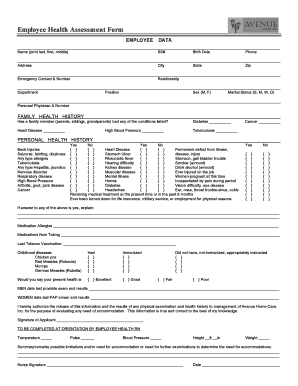
- Medical History Records: Comprehensive documentation of past medical and psychiatric history.
- Assessment Results: Standardized test results, such as the Hamilton Anxiety Rating Scale.
- Referral Notes: Documents from general practitioners or previous mental health providers.
- Treatment Notes: Ongoing records from therapy sessions for continuity of care.
Having these documents organized facilitates seamless communication across healthcare providers and supports the treatment process.