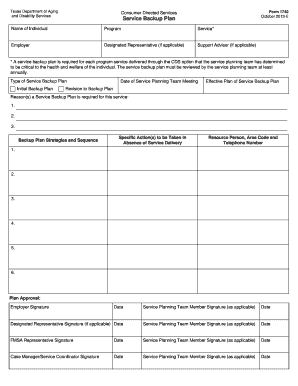
Understanding Employee Empowerment
Employee empowerment refers to the practice of giving employees the authority, resources, and autonomy to make decisions and contribute to the organization. It's a concept that emphasizes trust and communication between management and staff, aiming to improve both employee satisfaction and business performance. Empowered employees typically have greater ownership of their work, which can lead to enhanced job satisfaction and efficiency. They are encouraged to be proactive, take initiative, and offer input into decisions that affect their roles and tasks. This empowerment not only benefits the individuals but also boosts the overall productivity and success of the organization.
Key Elements of Employee Empowerment
- Decision-Making Authority: Employees are given the power to make decisions about their work processes, which can lead to more innovative solutions and improvements in efficiency.
- Access to Resources: Providing the necessary tools, information, and support ensures employees can perform their duties effectively.
- Accountability: While empowerment gives authority, it also involves holding individuals accountable for the results, fostering a sense of responsibility.
Practical Steps to Implement Employee Empowerment
- Clearly define roles and responsibilities to ensure that employees understand their scope of power and expectations.
- Establish a communication channel for feedback, allowing employees to share their insights and concerns.
- Provide training and development opportunities that bolster confidence and competence, enabling employees to make informed decisions.
Case Studies: Successful Employee Empowerment Practices
- The Commonwealth Fund: By aligning employees’ tasks with the organization's goals, they improved engagement and performance.
- The Skillman Foundation: Focused on creating a supportive work environment that emphasized clear communication and collaborative decision-making.
Who Benefits from Employee Empowerment
Employee empowerment is beneficial to various groups within an organization:
- Management: Gains more time to focus on strategic objectives as employees handle operational decisions.
- Employees: Experience higher job satisfaction and motivation when they feel valued and trusted.
- Organizations: Achieve improved productivity and morale, which can lead to better financial performance and reduced turnover rates.
Business Types that Benefit Most
- Startups: Gain flexibility and innovation by encouraging employees to contribute ideas.
- Large Corporations: Enhance agility and responsiveness by empowering frontline employees to address and solve issues.
Why Should Organizations Foster Employee Empowerment
Cultivating an environment of empowerment can lead to substantial organizational benefits:
- Increased Innovation: When employees feel trusted to make decisions, they become more likely to propose creative solutions.
- Employee Retention: Empowering work environments reduce burnout and turnover by making work more fulfilling.
- Enhanced Customer Satisfaction: Employees given the autonomy to address customer needs directly tend to deliver better service experiences.
Important Terms Related to Employee Empowerment
- Autonomy: The ability for employees to have control over how they complete their work tasks.
- Accountability: Holding employees responsible for both decision-making and the outcomes of their decisions.
- Motivation: Drive that encourages employees to go beyond their daily duties, which is often bolstered by empowerment strategies.
How Employee Empowerment is Legally Applied
In the U.S., employee empowerment aligns with labor laws and regulations that promote fair treatment, nondiscrimination, and employee rights. Organizations must ensure that empowerment practices do not infringe on employee rights or lead to discriminatory practices. Implementing well-structured guidelines ensures that empowerment is practiced legally and ethically.
Compliance with U.S. Laws
- Abide by fair labor practices to ensure that empowerment does not lead to violations of wages, hours, or safety regulations.
- Implement nondiscriminatory empowerment strategies that provide equal opportunities for all employees.
Examples of Employee Empowerment in Action
- Tech Companies: Encouraging development teams to innovate freely within projects, leading to breakthrough technologies and improvements.
- Retail Chains: Allowing store employees to handle customer service issues on the spot without requiring managerial approval, which improves the customer's experience.
Considering State-Specific Rules
Certain states in the U.S. may have specific guidelines or regulations that impact how employee empowerment can be structured legally within organizations. It's important for businesses to consult local labor laws to ensure compliance. This consideration helps avoid any legal pitfalls and aligns empowerment practices with local norms and regulations.
Differences Across States
- California: May have more stringent labor laws that impact how roles and responsibilities shift under empowerment strategies.
- Texas: Might offer more flexibility but requires adherence to fair treatment and safety standards.
Digital vs. Paper Empowerment Strategies
In modern workplace environments, digital platforms play a major role in employee empowerment. Organizations can leverage tools like DocHub to enhance communication, collaboration, and decision-making among staff. Such tools streamline processes, making empowerment more effective and accessible.
Technological Tools for Empowerment
- DocHub: Offers features for collaboration, document signing, and communication, allowing empowered teams to work efficiently.
- Project Management Software: Facilitates task delegation, providing employees with clear objectives and the autonomy to manage their responsibilities.
Comprehensive Application Process and Timeline
Implementing employee empowerment involves strategic planning and execution. Organizations should approach this shift in phases, ensuring both management and staff are prepared for their new roles within the empowerment framework. The transition timeline typically involves:
- Establishing a clear vision and goals for empowerment.
- Training sessions to prepare employees and management for new processes.
- Ongoing evaluation and adjustments based on feedback and performance metrics.
Versions and Alternatives of Employee Empowerment
While employee empowerment is a widely recognized strategy, its implementation can vary based on organizational needs. Some companies may opt for:
- Self-Directed Teams: Groups that operate with minimal managerial oversight, making collective decisions.
- Participative Leadership: Managers actively involve employees in decision-making processes, ensuring their opinions influence outcomes.
Tailoring Strategies to Fit Organizational Culture
Organizations may need to blend different empowerment models to align with their unique culture and goals, ensuring relevance and effectiveness in their specific context.