Key Elements of the Scholarship Application
A scholarship application consists of several essential sections that candidates need to complete to be considered for funding. Understanding these elements is crucial for applicants who wish to maximize their chances of success.
-
Personal Information Section: This part collects basic personal details, including the applicant's name, birthdate, contact information, and sometimes social security number. Accuracy is critical here, as errors can delay the processing of the application.
-
Academic History: Applicants must provide a detailed account of their educational background. This includes the schools attended, the dates of attendance, and the qualifications obtained. Some applications may require a copy of the most recent academic transcript to verify this information.
-
Work and Volunteer Experience: Many scholarship applications ask for a record of relevant work experience, internships, or volunteer activities. This section demonstrates how an applicant has contributed to their community or developed skills pertinent to their career goals.
-
Extracurricular Activities: Participation in clubs, sports, or other extracurriculars can be pivotal in a scholarship application's success. Applicants should highlight achievements and leadership roles, as these demonstrate initiative and teamwork capabilities.
-
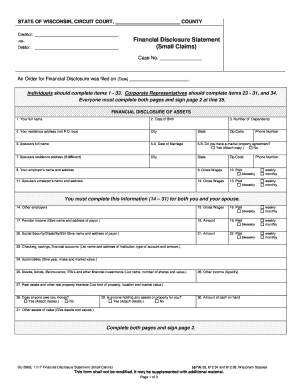
Financial Information: To evaluate financial need, applicants may need to include details about their economic situation. This can involve providing information about family income, employment status, and dependents. Applicants must be prepared to submit supporting documents like tax returns or pay stubs if required.
-
Essay or Personal Statement: Often a core component of the application, the essay reveals the applicant's goals, motivations, and reasons for applying for the scholarship. It is an opportunity to showcase personal experiences and achievements not immediately apparent in other sections.
-
References: Typically, applications require letters of recommendation from teachers, mentors, or employers who can vouch for the applicant's abilities and character. Candidates should choose references who can provide detailed and positive endorsements.
Steps to Complete the Scholarship Application
Completing a scholarship application requires careful attention to detail and a methodical approach to ensure all necessary information is submitted correctly.
-
Read the Instructions Carefully: Every scholarship has unique requirements. Applicants must thoroughly read the guidelines and take note of any specific instructions regarding formatting, deadlines, and submission methods.
-
Gather All Required Documents: Collect all necessary documents, such as transcripts, financial statements, and letters of recommendation, in advance. This preparation avoids last-minute scrambling and ensures all necessary materials are included.
-
Complete Each Section Accurately: Filling out each section with accurate information is vital. Double-check details like contact information, dates, and any other data provided.
-
Craft a Personal Statement: Write a compelling essay or personal statement that reflects your aspirations, experiences, and how the scholarship will aid in achieving your academic and professional goals. Follow any specific prompts or word count limits.
-
Seek Feedback: Before submitting, have someone else—like a teacher, mentor, or career advisor—review your application for errors or areas for improvement. Fresh perspectives can offer invaluable feedback.
-
Ensure All Sections are Complete: Review the entire application to confirm that no sections have been overlooked and all information is consistent across documents.
-
Submit Before the Deadline: Ensure the application is submitted ahead of the deadline to prevent any issues with late submissions. Verify receipt of the application if possible.
Eligibility Criteria for the Scholarship Application
Eligibility criteria are a crucial aspect of any scholarship application, as they determine who can apply for the opportunity.
-
Academic Requirements: Scholarships often require a minimum GPA or standardized test scores. Meeting or exceeding these benchmarks is necessary to qualify for consideration.
-
Enrollment Status: Candidates usually must be enrolled or planning to enroll in an accredited college or university. Some scholarships specify undergraduate or graduate status.
-
Demographic Criteria: Certain scholarships are designed for specific populations, such as students from particular geographic areas, ethnic backgrounds, or fields of study.
-
Financial Need: Many scholarships assess financial need by considering family income and other financial responsibilities. Documented evidence of economic hardship can be a deciding factor.
-
Citizenship: Some scholarships require applicants to be U.S. citizens or permanent residents, while others may be open to international students.


How to Obtain the Scholarship Application
Acquiring the scholarship application can be a straightforward process once you identify the relevant scholarship.
-
Online Portals: Many scholarship providers offer applications directly through their websites. Users typically need to create an account to access and fill out the application.
-
School Financial Aid Offices: Students can obtain applications or information on available scholarships from their school’s financial aid office, which often has the latest updates on any local or national awards.
-
Community Organizations: Local community groups or non-profits often sponsor scholarships. Check bulletin boards, newsletters, or their online presence for opportunities.
-
Guidance Counselors: High school guidance counselors can be an excellent resource for finding scholarships and obtaining necessary application forms. They often have information on scholarships specific to graduating seniors.
State-Specific Rules for the Scholarship Application
Different states may have unique guidelines or considerations when it comes to scholarships.
-
Residency Requirements: Some scholarships are only available to residents of specific states. Applicants may need to prove residency through utility bills, tax returns, or state-issued identification.
-
In-State Tuition Benefits: For residents of certain states, scholarships might come with the added benefit of qualifying for in-state tuition rates, which can dramatically lower overall education costs.
-
State-Specific Awards: Many states offer scholarships funded by local government or charitable organizations to support students within their jurisdiction. These can vary widely in terms of eligibility and award amounts.
Form Submission Methods
Submitting scholarship applications correctly is crucial to ensure they are reviewed and considered by the awarding body.
-
Online Submission: The most common method today involves submitting applications through an online portal. This often includes uploading digital copies of required documents and electronically verifying completion.
-
Mail Submission: Some scholarships allow or require submission in hard copy through postal services. It is important to use trackable mailing options to confirm delivery.
-
In-Person Submission: For local scholarships, there might be the option to hand-deliver applications to the scholarship office or associated location.
Important Dates and Filing Deadlines
Meeting deadlines is central to the successful submission of a scholarship application. Missing these can result in disqualification.
-
Application Opening Date: Know when applications open to have ample time to prepare and gather all necessary documents.
-
Submission Deadline: Mark the final date for submission clearly; late applications are often not considered.
-
Notification Timeline: Be aware of when you can expect to hear back about the status or result of your application. This helps in planning for other financial aid endpoints if necessary.
Examples of Using the Scholarship Application
Examples can illustrate the practical application and success strategies of scholarship applications.
- High School Senior: Gray, a high school senior from New York, leveraged his extracurricular achievements in technology clubs to strengthen his application for a local STEM scholarship.
- Community College Transfer: Samantha, transitioning from community college to a four-year university, highlighted her academic perseverance and financial needs in her essay, successfully securing funding through a regional grant.
- Non-Traditional Student: Roger, a returning adult student, used his work experience and detailed personal statement to emphasize his commitment to education, obtaining a scholarship for veterans.
These detailed explorations of various aspects of the scholarship application process can aid applicants in understanding the critical components and effectively preparing their submissions.