Definition & Meaning
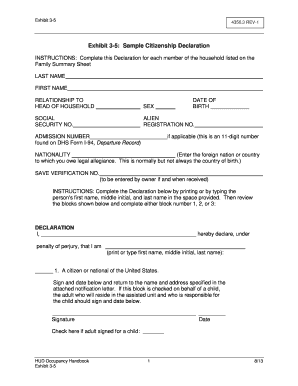
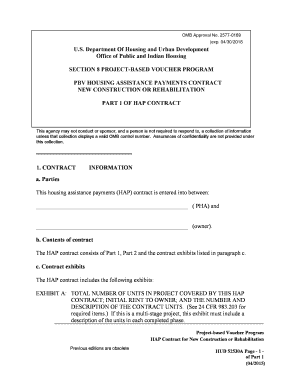
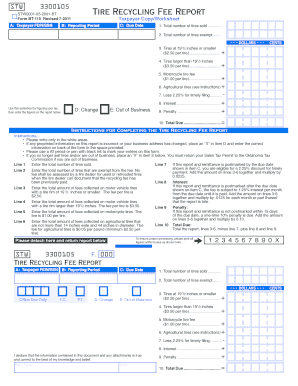
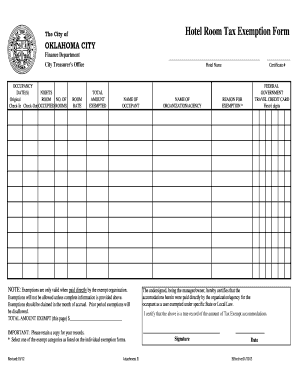
The term "form" generally refers to a structured document created to collect standardized information or to fulfill specific administrative, legal, or operational functions. Forms can range from simple documents, like a feedback form, to complex legal or tax forms, such as the IRS Form 1040-ES, which is used for calculating and paying estimated taxes. Forms are integral in ensuring that data is collected systematically and uniformly, making it easier for entities to interpret and use that data effectively. Various industries, including business, education, and government, rely heavily on forms for day-to-day operations.
How to Use the Form
Using a form effectively involves understanding its purpose and the required information fields. Users should start by carefully reading the form's instructions to ensure they comprehend what details need to be filled in. This often includes providing personal or organizational information, selecting options from predefined lists, or writing detailed responses. For digital forms like those created in DocHub, users can modify fields, which may involve:
- Typing directly into text boxes.
- Selecting options from dropdown menus.
- Checking relevant boxes.
- Adding digital signatures where necessary.
Steps to Complete the Form
- Review Requirements: Examine the form to understand all required fields and attached documentation prerequisites.
- Gather Information: Compile all necessary details such as identification numbers, contact information, and any additional supporting documents.
- Fill Out the Form: Enter all required information accurately, paying attention to mandatory fields. Make use of digital tools such as auto-fill to save time.
- Check for Accuracy: Proofread all entered data to ensure correctness and completeness.
- Submit the Form: Follow specified methods for submission, which might include mailing physical copies, uploading online, or directly sharing via integrated platforms.
Key Elements of the Form
Forms generally contain several essential components, each serving a distinct purpose:
- Header Information: Includes the form title, reference number, and issuing authority.
- Instructions: Detailed guidelines on how to fill out the form and any supplementary materials needed.
- Fields for User Input: Structured areas for entering required details, ranging from personal information to checkboxes and dropdown selections.
- Signature Lines: Designated spaces for signatories to authenticate the document, ensuring its legal validity.
- Submission Instructions: Information on permissible submission methods and deadlines.
Who Typically Uses the Form
Forms cater to a varied audience. For example, businesses often require forms for operational documentation like employment applications or customer feedback. Tax forms such as the Form 1040 are crucial for individual taxpayers, while specialized forms like the DS-11 are used by U.S. citizens applying for a passport. Educational institutions use forms for student enrollment processes. Understanding the end-user aids in tailoring forms to meet their expectations and legal requirements.


Legal Use of the Form
Forms serve as legal tools, especially when capturing signatures, collecting data, or executing agreements. A well-designed form includes:
- Legal Disclosures: Information regarding data usage and privacy assurance.
- Agreement Clauses: Terms and conditions binding all parties on obligations and expectations.
- Compliance Requirements: Adherence to local, state, and federal laws such as the ESIGN Act for electronic signatures.
- Verification Sections: Spaces for signatories and witnesses to validate the form’s authenticity.
Digital vs. Paper Version
Forms are available in digital and paper versions, each with unique advantages:
- Digital Forms: Allow for straightforward modifications, seamless integration with software, and easier distribution and storage. They support real-time editing and are environmentally friendly.
- Paper Forms: Widely accepted for formal processes requiring physical copies, such as notary services and some governmental submissions. Easily accessible in locations with limited internet connectivity.
Software Compatibility
Forms designed for digital completion often require compatibility with specialized software like DocHub. For tax forms, platforms like TurboTax and QuickBooks enhance usability by auto-filling details and performing calculations. Compatibility ensures:
- Ease of Use: Simple import/export functionalities.
- Accuracy: Automated checks and balances for data entry.
- Integration: Connection with other applications such as Google Workspace for document storage and sharing.
IRS Guidelines
For tax-related forms, the IRS provides comprehensive guidelines, ensuring that taxpayers comply with legal standards and avoid errors. Key considerations include:
- Deadline Adherence: Awareness of filing dates to avoid penalties.
- Detailed Instructions: Step-by-step guidance for accurate completion.
- Form Updates: Keeping abreast of annual form revisions and tax code changes to remain compliant with current requirements.