






Definition and Meaning
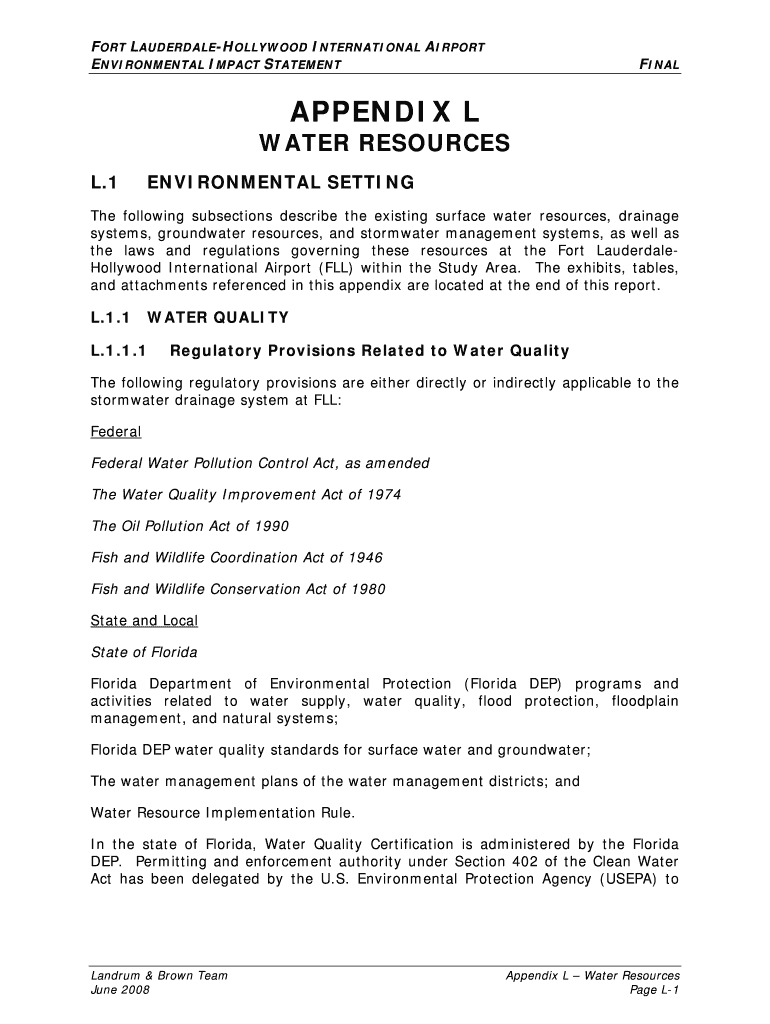
"The following subsections describe the existing surface water resources, drainage" is a segment of a document that typically appears in environmental assessments or impact studies. It is designed to provide detailed information about current water resources, drainage systems, and water management practices in a specified area. This could include surface water bodies like rivers, lakes, or streams, as well as man-made drainage systems like culverts or stormwater networks. Understanding these elements is crucial for evaluating the environmental impact of proposed developments or changes in land use.
Key Elements of the Description
This section often outlines several critical components related to water resources and drainage:
- Surface Water Resources: Details about natural water bodies, including their size, flow rates, and ecological significance.
- Drainage Systems: Information on existing infrastructure designed to manage surface water flow, such as drainage canals and stormwater pipes.
- Hydrology Assessments: Evaluation of the area's water cycle, including precipitation patterns and water table levels.
These elements are essential for developing effective water management strategies, ensuring compliance with environmental regulations, and mitigating any potential adverse impacts on water quality.
How to Use the Section
Professionals in environmental science, urban planning, or civil engineering can utilize this section to gain insights into existing water dynamics. It serves as a baseline for:
- Impact Analysis: Assessing how new developments might alter or affect local water systems and proposing necessary mitigations.
- Design and Implementation: Planning for sustainable infrastructure projects that harmonize with existing water resources.
- Regulatory Compliance: Ensuring that project plans meet federal, state, and local water management regulations to protect ecological health.
Understanding these subsections is critical for preparing firm proposals and reports that consider environmental sustainability.
Steps to Complete Water Resource and Drainage Assessment
- Data Collection: Gather existing data on surface water bodies, precipitation, and usage.
- Field Survey: Conduct onsite inspections to verify data and assess current conditions.
- Hydrological Modeling: Use software to model water flow and predict potential changes.
- Impact Analysis: Evaluate possible effects of proposed interventions on water quality and availability.
- Mitigation Planning: Develop strategies to minimize negative environmental impacts.
- Reporting: Compile findings into a comprehensive document for stakeholders and regulatory bodies.
This process ensures that all aspects of water resource management are thoroughly evaluated and addressed.
Important Terms Related to Water Resources and Drainage
Understanding these terms is pivotal for interpreting and effectively utilizing the section:
- Riparian Rights: Legal rights of landowners whose property is adjacent to a waterbody, affecting usage and management.
- Watershed: The land area that drains into a particular water body, important for understanding regional water flow dynamics.
- Aquifer: A geological formation capable of storing and transmitting groundwater, crucial for assessing groundwater resources.
These terms are frequently referenced and hold legal and environmental significance in resource management.
Legal Use and Compliance
The section detailing existing surface water resources and drainage is often developed in compliance with:
- Clean Water Act (CWA): Federal legislation that regulates discharges of pollutants into U.S. waters and quality standards for surface waters.
- State Water Quality Standards: Each state may have additional standards that protect water quality, impacting local project approval processes.
- Municipal Regulations: Cities may have bylaws regarding stormwater management and runoff mitigation.
Understanding and adhering to these laws is crucial for legal compliance and environmental stewardship in future projects.
Who Typically Uses This Section
This section of a document is typically used by:
- Environmental Consultants: For preparing reports and environmental assessments.
- Urban Planners: In developing city infrastructure and managing urban growth sustainably.
- Engineers: In designing drainage systems and other infrastructure that influences water flow.
These professionals rely on accurate and detailed descriptions of existing water resources for informed decision-making in their projects.