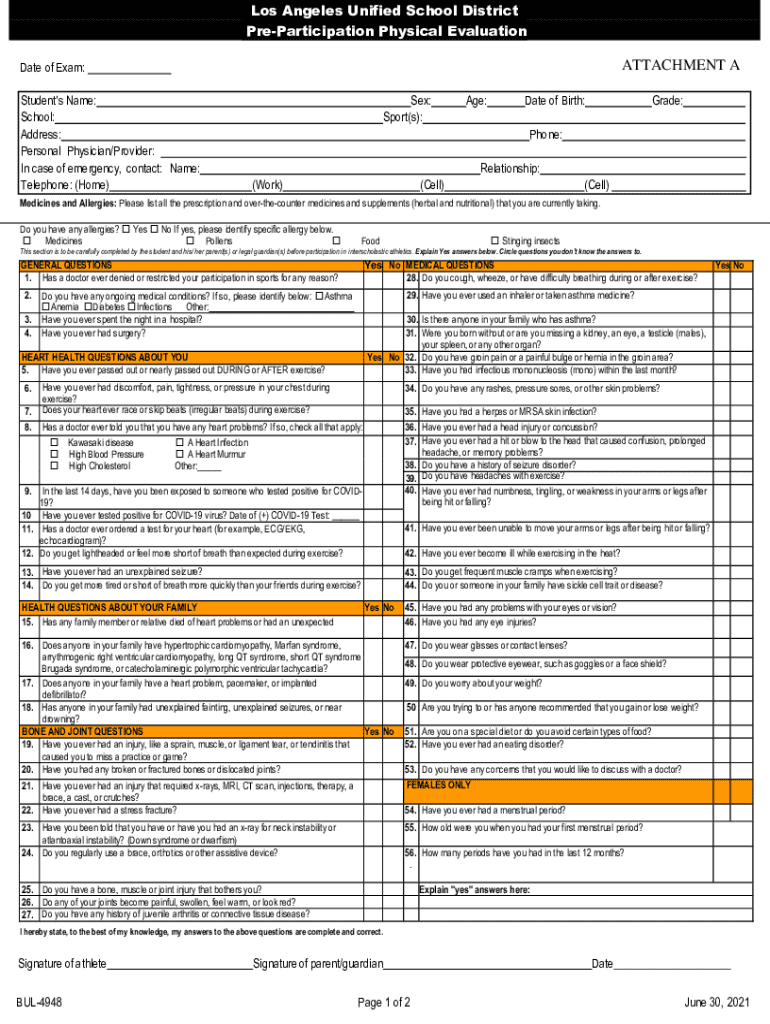







Definition and Meaning of ATTACHMENT A
ATTACHMENT A serves as a standard document used to provide detailed information that supplements or clarifies primary documents. It typically includes specific details that are too lengthy or complex to incorporate directly into the main document.
- Purpose: Often utilized in legal, tax, or compliance contexts to ensure comprehensive disclosure of pertinent information, ATTACHMENT A enhances clarity and comprehensiveness.
- Typical Structure: It generally contains lists, itemized data, or extended narratives that expand upon topics in the main document.
- Utilization: ATTACHMENT A helps meet regulatory requirements by allowing the inclusion of exhaustive details and explanations where needed.
How to Use ATTACHMENT A
Using ATTACHMENT A effectively requires understanding its role within the larger document landscape.
- Identify Purpose: Determine why ATTACHMENT A is required, focusing on the details it needs to elucidate.
- Compile Information: Gather all pertinent data, ensuring accuracy and relevance.
- Organize Content: Structure the information logically, often in list or table form, to enhance readability.
- Cross-reference: Ensure that other parts of the main document clearly reference ATTACHMENT A, indicating when and why to consult it.
How to Obtain ATTACHMENT A
Accessing ATTACHMENT A involves a few straightforward steps, often depending on the context in which it’s needed.
- Originating Source: Obtain the form from the primary document recipient, such as a government agency, legal entity, or organization.
- Online Resources: Many organizations provide downloadable versions of ATTACHMENT A on their websites.
- Request Directly: When unclear, directly contact the entity requiring the attachment for guidance.
Steps to Complete the ATTACHMENT A
Completing ATTACHMENT A accurately is crucial for its intended purpose.
- Read Instructions: Start by reviewing any provided instructions or guidelines, understanding the specifics of what’s required.
- Fill Out Information: Enter details methodically, ensuring completeness and accuracy.
- Review: Double-check all entries for errors or omissions.
- Integrate with Main Document: Ensure ATTACHMENT A is properly attached or linked to the primary document.
Key Elements of ATTACHMENT A
Understanding the components of ATTACHMENT A is essential for proper utilization.
- Introduction: Brief narrative outlining the scope and purpose of the attachment.
- Sections or Topics: Divided areas that categorize information for clarity and ease of viewing.
- Details: Comprehensive data, typically presented in tables or lists, that supplement the main document.
- Sign-off: Sometimes includes a section for signatures or verification to validate the information provided.
Legal Use of ATTACHMENT A
ATTACHMENT A frequently accompanies legal documents, serving critical roles.
- Compliance: Ensures adherence to regulatory requirements by providing necessary detail.
- Documentation: Acts as a formal record, often required during audits or legal proceedings.
- Transparency: Promotes openness by clearly describing complex or extensive information not included in the main document.
Important Terms Related to ATTACHMENT A
Certain key terms frequently arise in conjunction with ATTACHMENT A.
- Amendment: Modifying information in ATTACHMENT A when changes are needed.
- Disclosure: Full revelation of necessary details for regulatory or compliance purposes.
- Supplemental Information: Additional data provided within ATTACHMENT A to augment the main document.
State-specific Rules for ATTACHMENT A
Different states might impose unique guidelines concerning ATTACHMENT A.
- Regulations: States may have specific mandates on format, content, or sign-off procedures.
- Filing Requirements: Submission methods and deadlines may vary depending on state location.
- Compliance Variations: Regional legal requirements might demand tailored content or structuring of ATTACHMENT A.
Examples of Using ATTACHMENT A
Practical scenarios illustrate the application of ATTACHMENT A effectively.
- Tax Filings: Offering detailed breakdowns of deductions or income sources beyond standard forms.
- Legal Contracts: Elaborating on complex terms or conditions within business agreements.
- Regulatory Submissions: Providing exhaustive data for compliance with environmental or safety standards.
Electronic Signature and ATTACHMENT A
With legal binding frameworks like the ESIGN Act supporting digital processes, many users choose electronic signatures for ATTACHMENT A.
- Capture Methods: Use a trackpad to draw, select a font, or upload an image of a handwritten signature.
- Assurance: Digital signatures within platforms like DocHub comply with legal standards, offering enhanced security and convenience.