






Definition & Meaning
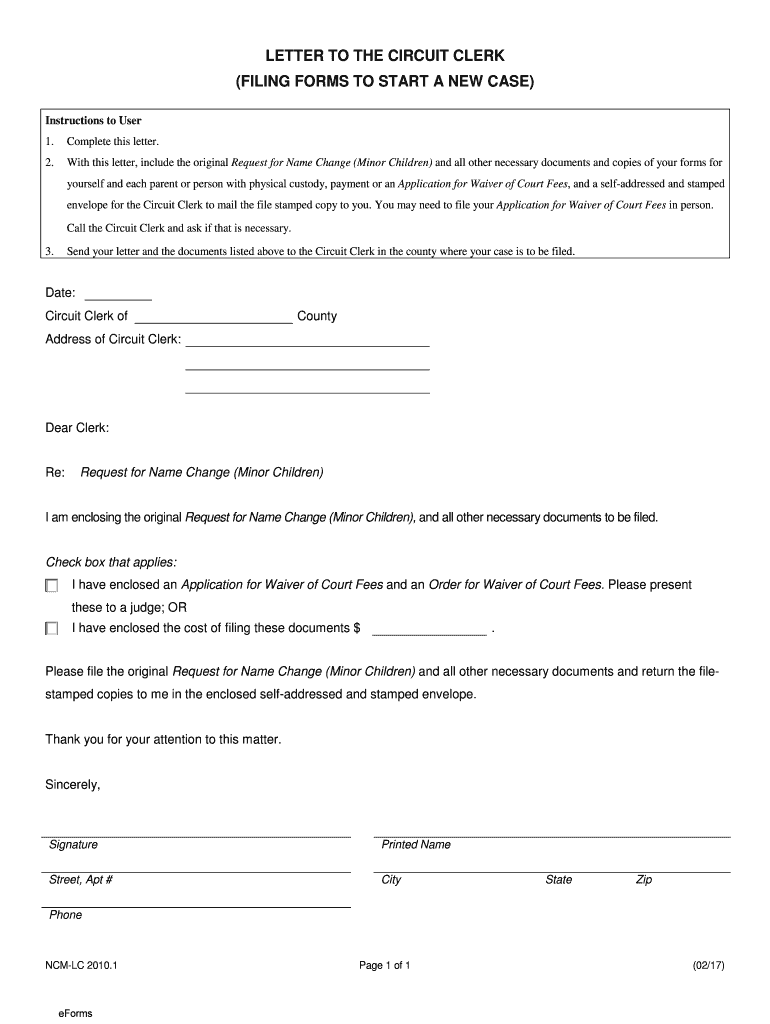
A name change under the Probate division of the Superior Court of California is a legal process where an individual, often an adult or a parent on behalf of a minor, requests the court to officially alter their legal name or that of their child. This procedure involves filing a petition, providing a valid reason for the change, and complying with specific legal requirements set by the state. The primary purpose is to formally update identification documents and records following the name change.
Steps to Complete the Name Change - Probate - Superior Court of California, County
-
Prepare Your Petition: Start by downloading and completing the "Petition for Change of Name" form. Ensure all personal details are accurate and reflect your current name and the desired new name.
-
Collect Required Documents: Gather supporting documents, such as birth certificates or identification papers. If applicable, include any court orders or legal documents related to the reason for the name change.
-
File the Petition: Submit the form and accompanying documents to the appropriate Probate division of the Superior Court in your county. Pay the required filing fee, or apply for a fee waiver if you qualify.
-
Publish the Order: In most counties, you must publish your intended name change in a local newspaper for four consecutive weeks. This public notice is to ensure no objections to the name change.
-
Attend the Hearing: Once notice has been published, attend the scheduled court hearing. The judge will review your petition and any objections before making a decision.
-
Receive the Decree: If approved, the court will issue a "Decree Changing Name." Use this decree to update your identification documents and records.
Important Terms Related to Name Change - Probate - Superior Court of California, County
- Petition for Change of Name: The legal document submitted to request a name change.
- Decree Changing Name: The official court order granting the name change.
- Probate Division: The court division that handles matters like name changes, estates, and guardianships.
- Fee Waiver: A request to have court filing fees waived due to financial hardship.
Legal Use of the Name Change - Probate - Superior Court of California, County
This legal process is crucial for ensuring that all legal documents, such as birth certificates, driver's licenses, and social security records, reflect the new name. A court-ordered name change is recognized across federal and state jurisdictions, essential for seamless interactions with government agencies, financial institutions, and other legal entities.
Required Documents
- Petition for Change of Name: Completed and signed by the petitioner.
- Order to Show Cause for Change of Name: Needed to alert interested parties of the name change request.
- Publication Order: A form that indicates the requirement for publishing the name change in a local newspaper.
- Decree Changing Name: Used for recording and authenticating the legal change of name once approved.
Form Submission Methods (Online / Mail / In-Person)
- Online: Some counties offer online submission through their court website.
- Mail: Submit the completed forms and documents to the court’s mailing address. Include a self-addressed stamped envelope for return mail.
- In-Person: File directly at the court clerk’s office to verify documents and pay fees in person.
Who Issues the Form
The Superior Court of California, within your specific county's Probate division, issues the necessary forms for a name change. Each county court might have slight variations in their requirements, so check with your local court.
Eligibility Criteria
- Residency: Petitioners must reside in the county where they are filing the name change request.
- Age: Adults may file for themselves; parents or legal guardians can file on behalf of minors.
- Reason: A valid and lawful reason must support the name change, such as personal preference, cultural reasons, or post-marriage/ divorce updates.


Application Process & Approval Time
- Application: Complete and submit forms as per court instructions.
- Processing Time: Generally, the process takes several weeks to months, depending on the need for a court hearing and publication timelines.
- Hearing: Attend court sessions, if mandated, for the judge to consider the petition.
This comprehensive guide aids those navigating the name change process under the Probate division of the Superior Court of California, ensuring clarity and compliance with state-specific procedures.