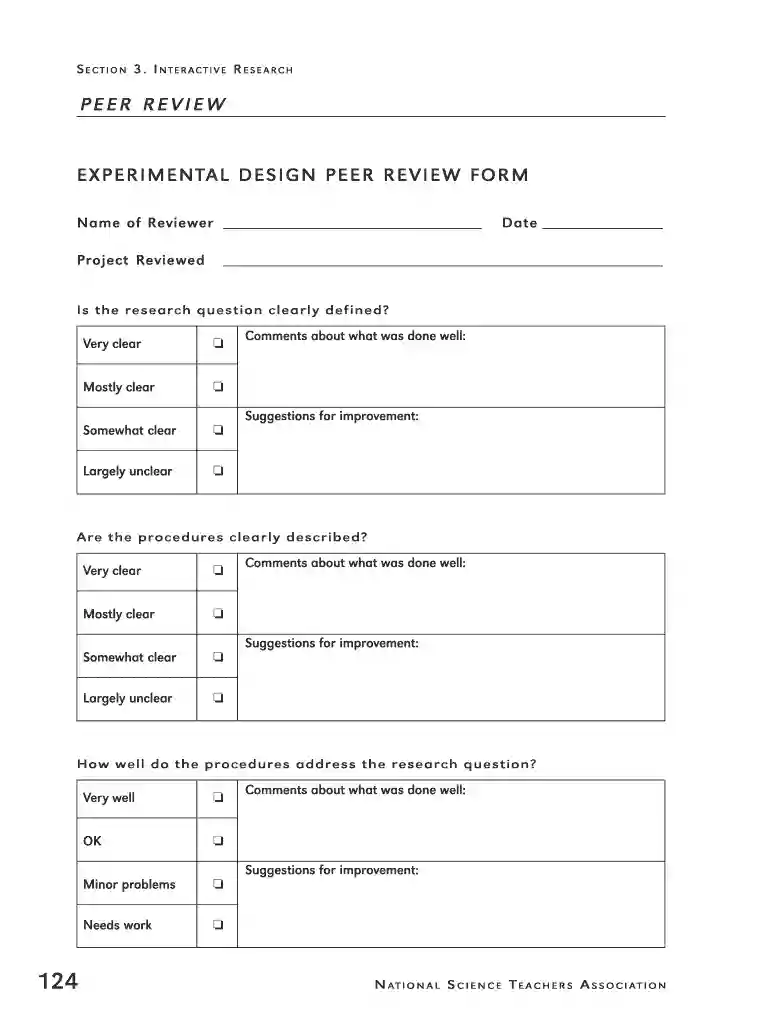
Definition and Meaning of the Physician Peer Review Sample Letter
A physician peer review sample letter serves as a critical document in the medical community for evaluating the performance and competencies of physicians. It is utilized during peer review processes where healthcare professionals assess each other's clinical practice standards, quality of care, and adherence to medical guidelines. Typically, this letter provides a structured framework for reviewers to articulate their findings, recommendations, and any areas for professional development of the physician being evaluated.
Key Components of the Letter
- Reviewer Information: This section includes the name, title, and affiliation of the reviewer, outlining their qualifications to conduct the review.
- Physician Information: Details about the physician being reviewed, including their specialty, practice location, and the date of the review.
- Evaluation Criteria: Listing criteria used for assessment, such as clinical outcomes, patient interactions, and compliance with protocols.
- Findings and Recommendations: A comprehensive collection of observations and suggestions for enhancement in practice.
How to Use the Physician Peer Review Sample Letter
Using the physician peer review sample letter involves several steps to ensure that the evaluation process is systematic and effective.
- Gather Necessary Information: Collect background documentation about the physician's practice and relevant clinical guidelines.
- Select Reviewers: Choose qualified peers who are familiar with the physician’s work and the relevant specialty.
- Customize the Template: Modify the sample letter to fit the specifics of the reviewer and the physician’s practice.
- Conduct the Review: Allow reviewers to assess the physician's performance based on predetermined criteria.
- Document Findings: Record observations and suggestions clearly in the letter format.
- Deliver the Letter: Provide feedback in a supportive manner, followed by a formal delivery of the completed letter.
By following these steps, organizations ensure reviews are constructive and beneficial for the ongoing professional development of the physician.
How to Obtain the Physician Peer Review Sample Letter
Obtaining a physician peer review sample letter can be accomplished through several methods. This process may involve:
- Medical Associations: Many professional medical organizations offer templates and samples that can be adapted for peer reviews.
- Hospitals and Clinics: Institutions may have standard forms and guidelines that can be used as a foundation for creating a peer review letter.
- Online Resources: Websites dedicated to medical practice quality improvement often provide downloadable samples tailored to various specialties.
- Networking with Colleagues: Engaging with fellow healthcare professionals may lead to sharing of effective peer review templates based on firsthand experience.
Each source can provide valuable variations to enhance the effectiveness and relevance of the letter.
Steps to Complete the Physician Peer Review Sample Letter
Completing a physician peer review sample letter involves a structured approach that ensures all necessary details are included. The steps include:
- Introduction: Specify the purpose of the letter and the context of the review.
- Review Methodology: Describe the means by which the review was conducted, including criteria and tools utilized for evaluation.
- Summary of Findings:
- Clinical performance: Highlight strengths and areas needing improvement.
- Patient feedback: Incorporate any pertinent comments from patient experiences.
- Recommendations:
- Suggested areas for professional growth, including additional training or mentorship opportunities.
- Potential changes to current practices based on the findings.
- Conclusion: Reinforce the supportive nature of the review and express willingness to assist with future growth initiatives.
Following these steps ensures a thorough and constructive evaluation that contributes positively to the physician’s career development.
Key Elements of the Physician Peer Review Sample Letter
A well-crafted physician peer review sample letter incorporates essential elements to provide a comprehensive evaluation. These elements include:
- Clarity: The language used should be straightforward, avoiding jargon while clearly articulating findings.
- Objectivity: The review must be based on measurable outcomes and performance indicators to maintain impartiality.
- Specificity: Detailed examples should support any assertions made about the physician's performance.
- Constructive Feedback: Focusing on areas of potential improvement while acknowledging strengths ensures a balanced approach.
- Follow-Up Actions: Recommendations for future review timelines or specific actions the physician can take to enhance their skills.
Incorporating these key elements will create a document that is both comprehensive and beneficial to the physician and the reviewing body.
Examples of Using the Physician Peer Review Sample Letter
The physician peer review sample letter can be applied in various contexts, illustrating its versatility and importance in the medical field. Here are some practical scenarios:
- Clinical Performance Assessment: A hospital may utilize the peer review letter as part of their annual clinician evaluation process, helping to ensure all physicians maintain high standards of care.
- Specialty-specific Reviews: Organizations may adapt the sample letter to cater specifically to particular specialties, incorporating relevant practice guidelines and performance metrics.
- Quality Improvement Initiatives: Medical groups may use it to identify areas for improvement as part of a broader quality improvement framework within healthcare systems.
- Training and Mentorship Programs: Newer physicians may receive peer reviews that guide them through formative feedback, helping them grow in their practice.
These examples highlight how the physician peer review sample letter serves as a valuable tool for fostering professional growth and upholding quality standards in medical practice.