01. Edit your k 26 online
Type text, add images, blackout confidential details, add comments, highlights and more.

Type text, add images, blackout confidential details, add comments, highlights and more.

Draw your signature, type it, upload its image, or use your mobile device as a signature pad.

Send k26 form via email, link, or fax. You can also download it, export it or print it out.
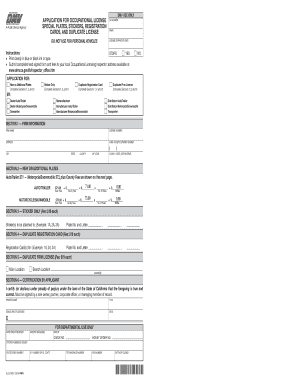
The K-26 form is a critical document used primarily by businesses in the State of Connecticut to compile and submit a business license personnel list to the Department of Motor Vehicles. This form is essential for motor vehicle dealers and repairers. The document requires detailed information about business identification, ownership, and management, ensuring compliance with state regulations.
The purpose of the K-26 form extends beyond simple record-keeping; it acts as a certification of compliance, affirming that individuals listed have no relevant legal violations. This adds a level of accountability and transparency, which is crucial for maintaining trust and legal standing within the industry.
Using the K-26 form involves several key steps to ensure accurate and complete submission. It's essential for businesses to understand the precise requirements and fields necessary to fill out before submission. Here's a comprehensive guide:
Gather Information: Collect all relevant information about your business, including identification numbers and details about ownership and management.
Complete Sections: Fill in the required sections, such as business identification, ownership details, management information, and any compliance declarations.
Personal Identification: Submit personal identification details for individuals listed on the form to ensure all necessary background checks can be performed.
Review and Certify: Double-check all entered information for accuracy, and use the form to certify compliance with state laws, confirming no legal violations.
Submission: Once the form is complete, submit it following the state's guidelines, which may include mailing or online submissions.
Completing the K-26 form requires attention to detail and adherence to specific sections delineated by the State of Connecticut's Department of Motor Vehicles. Here's a detailed step-by-step process:
Business Identification Section: Enter your company's legal name, address, and relevant identification numbers. This includes the state business registration number.
Ownership Details: Provide names and contact details of all business owners, ensuring that percentage ownership and roles within the company are clearly outlined.
Management Information: List all individuals in managerial positions, their roles, and any relevant credentials or certifications pertinent to the motor vehicle industry.
Compliance Declarations: Use this section to declare any past legal issues or confirm a clean legal record for all personnel listed.
Certification and Signature: End with a certification of the information's accuracy, accompanied by authorized signatures to validate the form's content.
Understanding these steps increases the likelihood of a successful submission and assists in establishing compliant and transparent operations within the motor vehicle sector.
The K-26 form is most commonly used by entities involved in the motor vehicle industry in Connecticut, specifically:
Motor Vehicle Dealers: These businesses must verify and report their operational personnel to maintain licenses and regulatory compliance.
Repair Shops: This includes auto repair facilities that require official acknowledgment of their operating staff for legal and business purposes.
Beyond these primary users, the form serves any business within the motor vehicle ecosystem needing to certify personnel records, thereby expanding its scope within the industry.


Legal compliance is a cornerstone of the K-26 form’s use, ensuring businesses operate within the regulatory framework defined by the Connecticut Department of Motor Vehicles. The form plays a crucial role in:
Regulatory Compliance: By submitting personnel lists, businesses certify that no individuals associated with them have breached applicable motor vehicle laws.
Verification and Transparency: The form demands legal transparency and accountability, essential for fostering public trust and legal compliance.
Failing to use or correctly submit the K-26 form can result in legal complications and penalties, emphasizing its importance within compliance operations.
The K-26 form comprises several elements integral to its function as a compliance tool:
Identification Information: Both business and personnel identification details are required to verify the authenticity of submitted information.
Ownership and Management Fields: This captures the organizational structure and key individuals responsible for compliance and operations.
Compliance Sections: Specific declarations confirm the legal standing of involved parties.
These elements collectively ensure the form's efficacy in meeting state regulatory requirements.
Practical scenarios demonstrate the importance and application of the K-26 form within the industry:
A New Auto Dealership: Must complete the form to establish compliance from the onset, detailing all necessary personnel and ownership information before opening their doors.
Annual Renewals: Existing businesses submit updates via the K-26 form to reflect any personnel changes or ensure ongoing compliance with state regulations.
Inspection and Audit: During routine audits, the form provides a comprehensive record for inspectors to verify compliance with state laws.
These examples illustrate not only the necessity but also the recurring nature of the form in maintaining industry standards.
Connecticut enforces unique state-specific rules concerning the K-26 form that businesses must observe:
Timely Submission: Align with state deadlines to ensure seamless business operations and avoid penalties.
Regular Updates: Mandates updates for any staff or organizational changes to maintain compliance throughout operational changes.
Adhering to these state-specific guidelines ensures businesses remain in accordance with Connecticut's motor vehicle industry regulations, highlighting the location-specific relevance of the K-26 form.
We've got more versions of the k 26 form. Select the right k 26 version from the list and start editing it straight away!
| Versions | Form popularity | Fillable & printable |
|---|---|---|
| 2002 | 4.9 Satisfied (43 Votes) |
At DocHub, your data security is our priority. We follow HIPAA, SOC2, GDPR, and other standards, so you can work on your documents with confidence.