
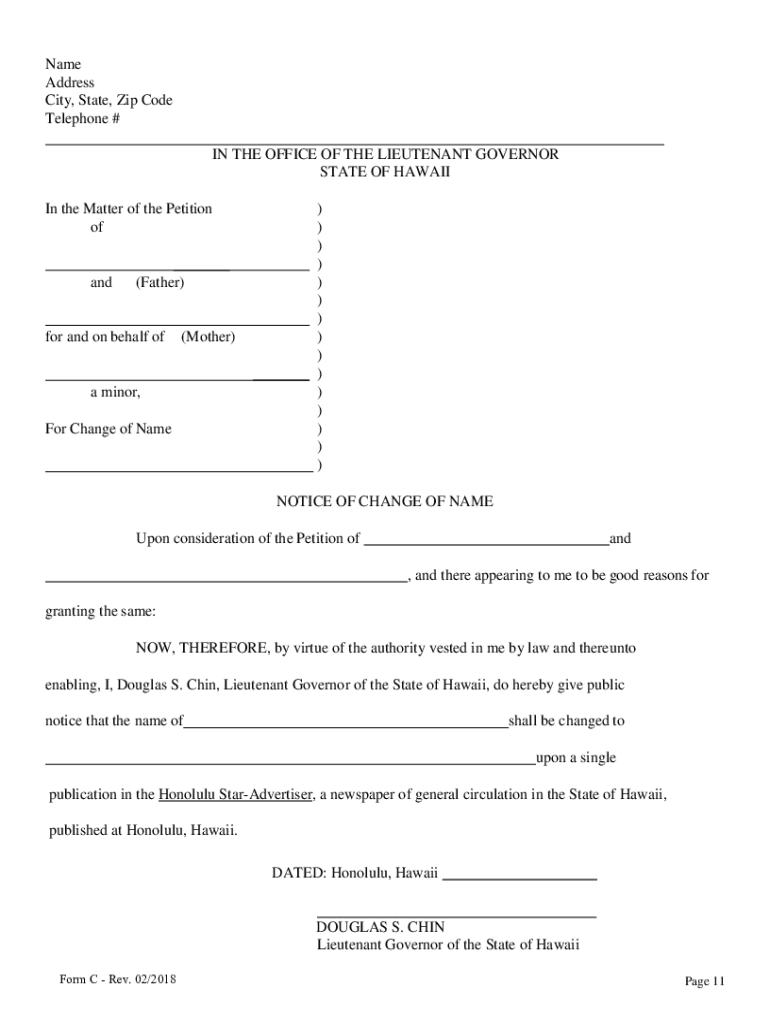







Definition and Meaning of the Land Court Regular System
The Land Court Regular System in the Office of the Lieutenant is a judicial procedure used to handle land titles and disputes. This system is primarily utilized to ensure that land ownership is clearly documented and legally recognized. It provides a framework for resolving conflicts related to property boundaries, title defects, and ownership disputes. By using this system, property owners can obtain a definitive and legally binding certificate of title, which provides greater security and clarity in land transactions.
How to Use the Land Court Regular System
Using the Land Court Regular System involves a series of judicial procedures that individuals or entities must follow to register land or resolve disputes. The process typically begins with filing a petition in the Land Court, outlining the nature of the request, such as registering a clear title or resolving boundary issues. Once the petition is submitted, a hearing is scheduled where evidence can be presented by both parties involved. The court then conducts a comprehensive review before making a ruling, which can result in the issuance of a legally binding certificate of title.
- Filing a Petition: Begin by preparing a detailed petition that includes all necessary documentation proving ownership or interest.
- Scheduling a Hearing: Attend the scheduled hearing to present evidence and arguments.
- Court Review: The Land Court evaluates all presented evidence before making a decision.
Steps to Complete the Land Court Regular System Process
- Gather Necessary Documentation: Collect documents such as deeds, previous titles, and maps that demonstrate your claim to the property.
- File the Petition: Submit the petition along with a filing fee to the Land Court.
- Participate in the Hearing: Engage with the court process by presenting your case and evidence.
- Await Court’s Decision: The court will review all submissions and issue a decision regarding the land title or dispute.
- Receive Certificate of Title: Upon a favorable decision, receive the certificate that legally confirms your land ownership or resolves the dispute.
Important Terms Related to the Land Court Regular System
Understanding key terms is crucial when navigating the Land Court Regular System. Here are some essential terms:
- Certificate of Title: A document that signifies legal ownership of land.
- Petition: A formal, written request submitted to the court.
- Boundary Dispute: A disagreement over the legal borders of a property.
- Title Defect: Flaws or irregularities in the recorded legal ownership of property.
State-Specific Rules for the Land Court Regular System
The Land Court Regular System operates under state-specific regulations, which can vary widely. It is essential to be familiar with your state's specific requirements and procedures. For example, some states may require additional documentation or fees, while others may have unique filing deadlines or hearing procedures.
- Updated Regulations: Always verify the latest legal requirements in your state regarding land titles.
- Local Practices: Engage local legal professionals familiar with state statutes and precedents related to land ownership and disputes.
Form Submission Methods
The Land Court Regular System allows for multiple submission methods. These include:
- Online Filing: Many states offer digital submission through government portals.
- Mail Application: Submitting all documents via certified mail to ensure receipt.
- In-Person Submission: Visiting the Land Court to directly file documents.
Each method has its own advantages and caveats, and the choice may depend on the specific circumstances of your case.
Key Elements of the Land Court Regular System
Several critical elements constitute the framework of the Land Court Regular System:
- Comprehensive Review Process: The court undertakes an extensive evaluation of the ownership claims.
- Evidence Presentation: Parties are allowed to submit documentation and testify about their claims.
- Legal Decision: A legally binding decision is rendered based on the evidence and legal principles.
Understanding these elements is vital for effectively navigating the system and achieving a favorable outcome for your land-related concerns.
Legal Use of the Land Court Regular System
The Land Court Regular System plays a significant role in establishing legal ownership and resolving disputes. Its legal foundation ensures that all land transactions are conducted with transparency and compliance with the law, thus:
- Certifying Ownership: Provides unambiguous evidence of ownership, enhancing transaction security.
- Resolving Disputes: Offers mechanisms to peacefully resolve conflicts without protracted litigation.
- Protecting Interests: Safeguards the rights of property owners against fraudulent claims or encroachments.
By engaging with the Land Court Regular System, individuals and organizations can ensure their land rights are protected and clearly defined.




