






Overview of Managing Depressive Symptoms
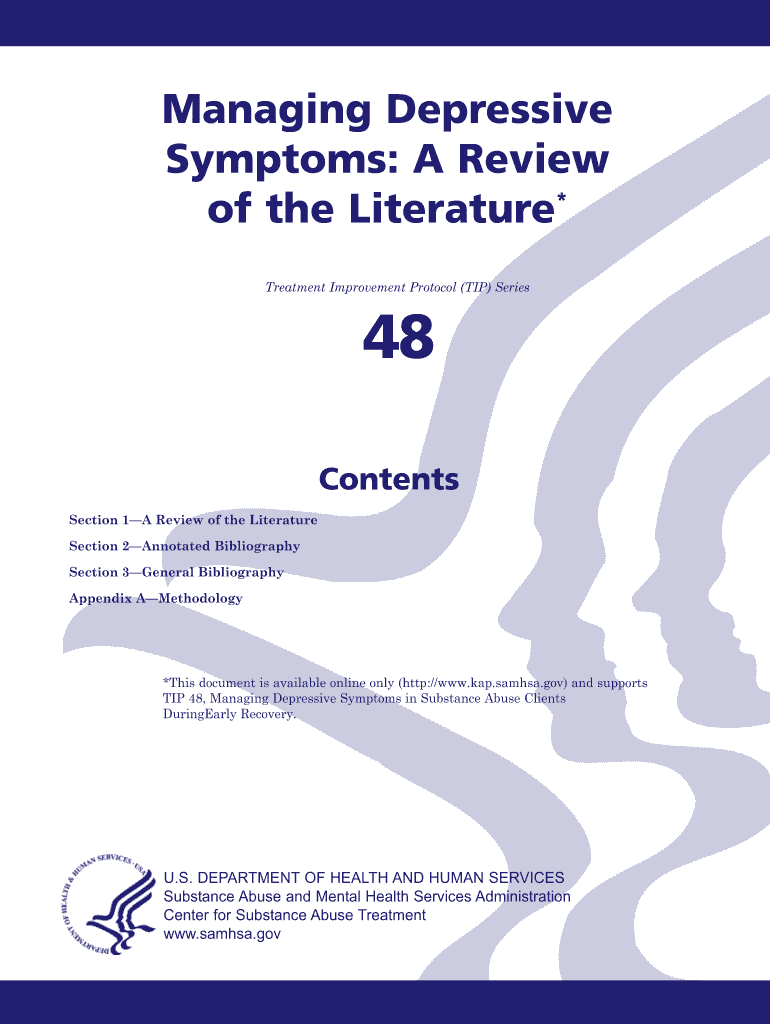
Understanding the management of depressive symptoms within the context of substance abuse treatment is crucial. This aspect highlights the dual challenge of addressing both the depressive tendencies and substance dependency in clients. Given the higher prevalence of depressive symptoms among those undergoing substance abuse treatment, professionals must have a comprehensive understanding of effective management strategies. This ensures better treatment outcomes and assists in the recovery process.
Integrating Depressive Symptom Management into Recovery
Depressive symptoms can significantly impact the recovery process in individuals dealing with substance abuse disorders. Incorporating strategies to manage these symptoms within the treatment plan is essential. This not only helps in alleviating depressive symptoms but also improves the overall efficacy of the substance abuse treatment. By addressing both issues concurrently, healthcare providers can offer more holistic care to their clients, increasing the chances of successful recovery.
Key Elements in Managing Depressive Symptoms
Identifying the key elements necessary for managing depressive symptoms effectively involves a thorough understanding of both assessment and intervention strategies. Professionals must focus on early recognition of symptoms and tailor interventions to the specific needs of the individual. Essential components include psychotherapeutic techniques, pharmacotherapy, and lifestyle changes that collectively cater to the psychological, biological, and social aspects of depression.
Steps to Implement Effective Management Strategies
Implementing effective management strategies for depressive symptoms involves a step-by-step approach. Start with a comprehensive assessment to identify the presenting symptoms and their severity. Develop a personalized treatment plan incorporating evidence-based interventions, such as cognitive behavioral therapy or medication. Monitor the client's progress and adjust the treatment plan as necessary to ensure the best possible outcomes.
- Assessment: Thorough evaluation of depressive symptoms and their impact on substance use.
- Treatment Plan Development: Formulate a plan using evidence-based interventions.
- Implementation: Execute the plan with regular monitoring.
- Adjustment and Evaluation: Continuously assess the effectiveness and make necessary changes.
Importance of Recognizing and Treating Mild and Major Depression
Recognizing and treating both mild and major depression is critical in the context of substance abuse therapy. Mild depression might progress to a more severe form if left untreated, exacerbating the challenges of recovery. Proper management can prevent this escalation, facilitating better engagement in substance abuse treatment and helping maintain long-term recovery.
Relevant Legal and Ethical Considerations
In managing depressive symptoms as part of substance abuse treatment, professionals must adhere to specific legal and ethical considerations. Confidentiality, informed consent, and a client's right to participate in their treatment planning are paramount. Understanding these legal frameworks ensures that clients' rights are protected, and high standards of care are maintained.
Legal Use of Mental Health Interventions
- Compliance with mental health legislation.
- Adherence to state and federal guidelines for therapeutic practices.
- Ethical considerations in treatment delivery.
Collaboration Among Treatment Professionals
Effective management of depressive symptoms requires collaboration among various treatment professionals, including psychiatrists, psychologists, and substance abuse counselors. Each professional brings distinct expertise, contributing to comprehensive care planning. This teamwork facilitates a more nuanced understanding of the client's condition, allowing for the integration of multifaceted interventions.
Examples and Case Studies
In practice, managing depressive symptoms can take various forms. For instance, a case study might involve a client with co-occurring alcohol dependency and moderate depression, tackled using a combination of motivational interviewing and antidepressant medication. Examining such scenarios provides insight into the application of theoretical knowledge in real-world settings, offering valuable learning experiences for practitioners.