Definition and Purpose of the Mailing Standards of the United States Postal Service
The Mailing Standards of the United States Postal Service (USPS) provide comprehensive guidelines and regulations governing the mail process. These standards ensure the correct handling, sorting, and delivery of various types of mailings, ranging from retail and commercial letters, cards, and flats, to parcels. Essential for maintaining consistency and reliability, these standards encompass diverse categories, including physical guidelines, postage payment options, mail preparation protocols, additional services, and specialized requirements.
Key Components of Mailing Standards
- Physical Standards: Establishes size and weight requirements for each mail type, ensuring compatibility with USPS sorting systems.
- Postage Payment Methods: Details accepted methods for paying postage, such as stamps, metered imprints, and permit imprints.
- Mail Preparation Guidelines: Outlines proper addressing formats, bundling methods, and presortation levels necessary for efficient processing.
- Additional Services: Describes additional mailing services like tracking, insurance, and registered mail options, providing more specialized handling.
- Special Standards: Specifies requirements for non-standard or hazardous items, ensuring safety and compliance during transit.
Obtaining the Mailing Standards of the United States Postal Service
Acquiring the USPS mailing standards is straightforward and can be approached through multiple channels. The official USPS website offers digital versions of these guidelines, providing easy access to the latest information.
Accessing the Standards
- Online Availability: USPS offers a downloadable PDF format accessible from their official website, ensuring you have the most current version.
- Printed Copies: Local post offices may provide printed versions upon request, catering to those who prefer physical copies.
- Customer Service Inquiry: Direct inquiries to USPS customer service can provide personalized guidance on obtaining specific sections or updates to the standards.
How to Use the Mailing Standards in Practice
The application of mailing standards is vital for individuals and businesses engaged in frequent mailing activities. Complying with these standards optimizes mail delivery efficiency and reduces the risk of delays or additional handling fees.
Practical Steps for Application
- Review Size and Weight Requirements: Ensure your mailpieces meet USPS size and weight limits to avoid restrictions or surcharges.
- Choose Appropriate Postage Methods: Select a suitable postage payment method, considering factors like volume and frequency of mailing.
- Prepare Mail According to Guidelines: Follow USPS addressing and sorting instructions to facilitate smooth processing and delivery.
- Incorporate Additional Services as Needed: Opt for additional services like insurance or tracking for shipments requiring extra security or monitoring.
Compliance Benefits
- Reduced Processing Time: Properly prepared mailpieces are sorted and delivered more efficiently.
- Cost Savings: Adhering to presort and bundling guidelines can lower mailing costs significantly.
- Increased Mail Security: Using certified or registered mail services provides added protection for sensitive shipments.
Important Terms Related to USPS Mailing Standards
Understanding key terms associated with USPS mailing standards helps navigate the regulations more effectively. Familiarity with these terms enhances compliance and overall mailing efficiency.
Key Terminologies
- Presortation: The process of organizing mailpieces according to zip codes before sending them to USPS, often reducing postage costs.
- Permit Imprint: A prepaid postage option for bulk mailing, streamlining the process by eliminating individual stamp applications.
- Non-Machinable Mail: Refers to items that cannot be processed by standard USPS machines, often necessitating manual handling and extra charges.
Legal Use and Compliance with USPS Standards
Adherence to USPS mailing standards is necessary to ensure legality and avoid potential penalties. Businesses and individuals must be conscious of these guidelines when planning and executing mailing strategies.
Legal Compliance Strategies
- Regular Updates: Stay informed of changes in USPS standards, as updates may impact compliance.
- Training Personnel: Educate staff responsible for mail preparation and dispatch on current USPS requirements.
- Documentation Review: Periodically review mailing documents and processes to ensure alignment with legal standards.
State-Specific Rules and Variations
While the USPS provides overarching mail standards, some variations exist based on state-specific guidelines. These differences can influence mailing processes, especially for businesses operating across state lines.
Addressing State Differences
- Local Regulations: Explore state-level mailing standards which may include additional requirements or exemptions.
- Collaboration with Local Offices: Engage with state-specific USPS representatives to gain clarity on unique regional mailing intricacies.
- Cross-State Documentation: Maintain comprehensive records detailing how state-specific guidelines are integrated into your mailing practices.
Examples and Case Studies of Effective Mailing Practices
Practical examples of adhering to USPS mailing standards illustrate their value in real-world scenarios, highlighting how compliance can positively impact operations.
Successful Mailing Strategy Examples
- Bulk Mailer Compliance: A marketing firm saved on mailing costs by implementing presortation and permit imprinting for large-scale campaigns.
- E-commerce Efficiency: A retail business improved delivery times by following USPS guidelines on package dimension and weight classifications.
- Sensitive Document Security: A legal firm utilized certified mail for secure delivery of confidential client agreements, illustrating the system's reliability.
Required Documents for Mailing Standard Compliance
Proper documentation is crucial for aligning with USPS standards. Having the necessary documents on hand streamlines mailing processes and ensures all protocols are followed.
Essential Documentation
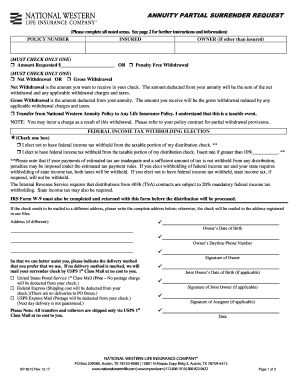
- Mailing Lists: Updated databases of recipient addresses, critical for efficient and accurate delivery.
- Postage Records: Logs of postage payments, essential for tracking and audits.
- Compliance Checklists: Custom checklists tailored to mailing activities, ensuring adherence to USPS requirements during preparation.
Exploration of these relevant blocks within the context of the Mailing Standards of the United States Postal Service provides a thorough understanding, enabling users to apply standards effectively to meet mailing needs comprehensively.