Definition of a Garnishment Letter
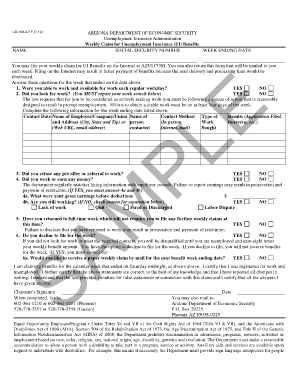
A garnishment letter is a formal document typically issued by a court or a legal entity to inform an employer to withhold a portion of an employee's wages to satisfy a debt obligation. This letter serves as a notice of garnishment, detailing the amount to be deducted and the timeframe for garnishment. It is often used in situations where an individual has unpaid debts and a creditor has obtained a legal judgment to recover the owed amount through the debtor's earnings. The garnishment process is employed to ensure that creditors receive the payments they are legally entitled to, all while adhering to legal and procedural safeguards for the debtor.
How to Use a Garnishment Letter
To effectively use a garnishment letter, both creditors and employers must follow specific procedures. For creditors, the process typically begins with obtaining a court judgment authorizing the garnishment. The creditor then issues the garnishment letter to the debtor's employer. Employers must comply by deducting the specified amount from the debtor's paycheck and remitting it to the creditor. It's crucial for employers to maintain accurate records of the deductions and ensure that the garnishment does not exceed legal limits. Employers should communicate with the employee to explain the deductions and provide any required documentation. This process ensures that the garnishment complies with legal requirements and the employee's financial obligations are met.
How to Obtain a Garnishment Letter
Obtaining a garnishment letter involves several steps that usually begin with the creditor pursuing a court order. The creditor must demonstrate that a debt is owed and that other collection efforts have been unsuccessful. Once the court grants the order, the creditor can request the issuance of a garnishment letter. This document is then served to the debtor's employer, who must comply with the terms outlined in the letter. In some jurisdictions, creditors may also obtain garnishment letters through administrative procedures without requiring a court order. It's important for creditors to understand the specific legal requirements and procedures in their jurisdiction to ensure compliance.
Steps to Complete a Garnishment Letter
Completing a garnishment letter requires accuracy and attention to detail. Here are the general steps involved:
-
Verify Creditor Information: Make sure all details regarding the creditor, including contact information and the amount owed, are accurate.
-
Confirm Court Order: Attach a copy of the court order that authorizes the garnishment as proof of legal authority.
-
Detail Employee Information: Include the full name, address, and employment details of the debtor.
-
Specify Garnishment Amount: Clearly outline the total amount to be garnished and the rate per paycheck.
-
Outline Payment Instructions: Provide detailed instructions on where and how the employer should remit the garnished funds.
-
Include Legal Disclosures: Ensure all necessary legal notices and disclosures are included, adhering to federal and state laws.
-
Sign and Date: The garnishment letter should be signed and dated by the authorized creditor representative.
Following these steps ensures that the garnishment letter is complete, accurate, and legally compliant.
Who Typically Uses the Garnishment Letter
The garnishment letter is typically used by creditors and legal entities seeking to collect unpaid debts from individuals who have defaulted on their obligations. Creditors can include banks, credit card companies, medical service providers, or government agencies such as the IRS. Employers also play a crucial role in executing the garnishment by withholding the specified portion of wages from the debtor’s paycheck. Legal representatives, such as attorneys, might also engage with garnishment letters to facilitate the process for their clients. Understanding these roles helps align all parties involved with their responsibilities under the garnishment process.


Key Elements of the Garnishment Letter
A garnishment letter should include several key elements to be effective and legally enforceable. These elements are crucial for ensuring clarity and compliance:
-
Creditor Information: Details about the creditor, including name and contact details.
-
Debtor Information: Information about the debtor, ensuring the correct person is identified.
-
Court Order Details: Reference to the court order authorizing the garnishment, including the case number.
-
Amount to be Garnished: A breakdown of the total amount owed and the percentage to be deducted from wages.
-
Payment Instructions: Clear instructions on how and where the garnished funds should be sent.
-
Legal Notices: Any legal language required by law to inform involved parties about their rights and obligations.
Having these elements ensures all parties comprehend the garnishment's legal and procedural aspects.
State-Specific Rules for Garnishment Letters
Garnishment laws can vary significantly between states, impacting how garnishment letters are issued and enforced. Some states may provide broader protections for debtors, such as limits on the amount of wages that can be garnished, while others might allow for more aggressive collection measures. Key considerations include:
-
Wage Garnishment Limits: States often have different thresholds for the maximum percentage of wages that can be garnished.
-
Exempt Income: Some forms of income, such as Social Security benefits, may be exempt from garnishment in certain states.
-
Notification Procedures: The method and timing of notifying debtors and employers can vary.
Understanding these state-specific rules is critical for ensuring garnishment letters are both effective and legally compliant.
Legal Use of the Garnishment Letter
The legal use of a garnishment letter is governed by federal and state laws designed to protect both creditors' rights and debtors' obligations. The Fair Debt Collection Practices Act (FDCPA) governs the conduct of debt collectors in pursuit of garnishment. Employers and creditors must ensure that garnishment does not exceed statutory limits, typically no more than 25% of disposable earnings or the amount by which wages exceed 30 times the federal minimum wage, whichever is lower. Additionally, certain types of income like Social Security and disability benefits are generally protected from garnishment. Compliance with these laws is imperative to avoid legal penalties or disputes with the debtor.
Examples of Using a Garnishment Letter
The application of a garnishment letter can be seen in various scenarios. For example, a creditor who has obtained a judgment against a debtor for an unpaid credit card debt may issue a garnishment letter to the debtor's employer to collect the outstanding balance through wage deductions. Similarly, a federal agency like the IRS may use a garnishment letter to recover unpaid taxes by garnishing wages directly from the taxpayer's paycheck. In each case, the garnishment process is used to enforce legal judgments or administrative orders, facilitating the recovery of owed debts efficiently while adhering to all legal obligations.