01. Edit your how to complete t3012 online
Type text, add images, blackout confidential details, add comments, highlights and more.

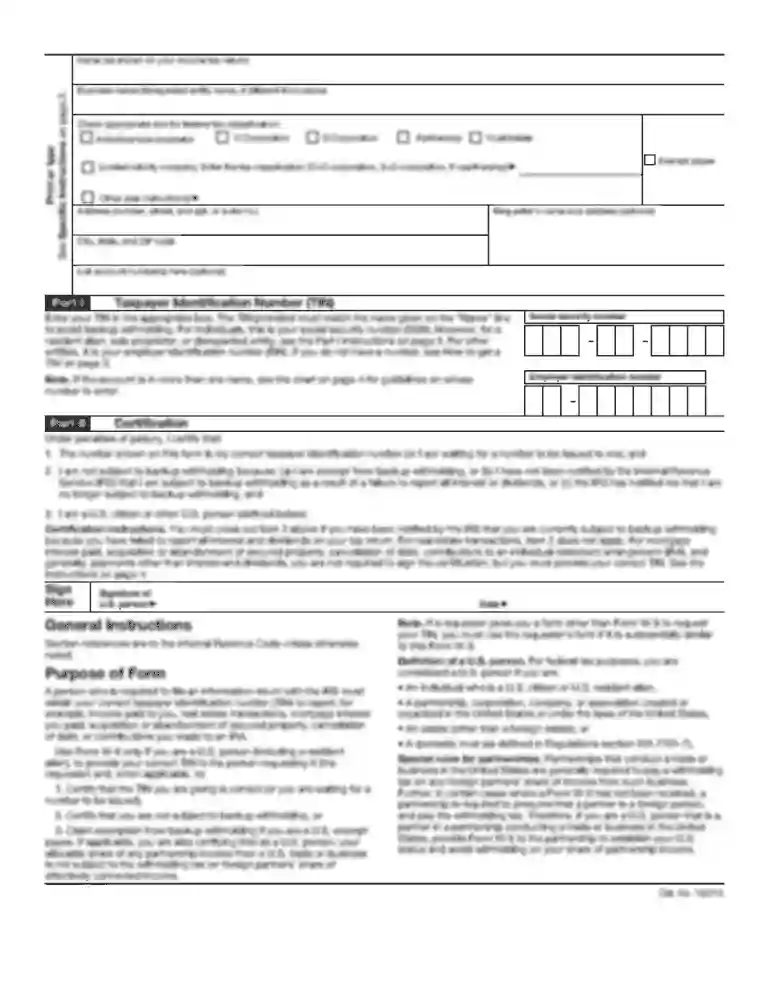
Type text, add images, blackout confidential details, add comments, highlights and more.

Draw your signature, type it, upload its image, or use your mobile device as a signature pad.

Send it via email, link, or fax. You can also download it, export it or print it out.
The T3012 form is a tax deduction waiver request for unused Registered Retirement Savings Plan (RRSP) contributions in Canada. When individuals have excess RRSP contributions that they wish to withdraw without facing withholding tax penalties, this form comes into play. The T3012 facilitates the calculation and processing of eligible unused contributions, allowing taxpayers to designate amounts for refund purposes. Understanding its role helps in navigating the tax landscape effectively, particularly for those managing their RRSP investment strategies.
The T3012 form is essential for RRSP holders who want to efficiently manage their tax liabilities concerning excess contributions. Without this form, individuals may face unnecessary withholding taxes when withdrawing excess contributions. The form provides a structured way to request a waiver, ensuring that taxpayers can align their financial strategies without adverse tax implications. It's especially useful for those who have accidentally exceeded their RRSP contribution limits and seek a practical solution.
To effectively use the T3012 form, individuals need to meet specific eligibility criteria. These typically include having made excess contributions to an RRSP within a specified timeframe. Furthermore, the form applies to Canadian residents reporting these contributions on their respective tax returns. Knowing whether you qualify to use the T3012 is crucial and hinges on understanding your contribution limits and financial position regarding RRSPs.


Completing the T3012 form involves a series of specific steps designed to accurately capture the details necessary for processing a waiver request. Detailed comprehension of each step ensures the form's efficient completion.
Understanding the terminology associated with the T3012 form aids in its accurate completion and submission. Key terms include:
The timely submission of the T3012 form ensures that taxpayers can efficiently manage their withdrawal of excess RRSP contributions without incurring penalties.
Utilizing the T3012 form can vary significantly based on individual circumstances. Here are some real-world examples:
Failure to adequately use the T3012 form when required can lead to specific tax implications.
Keeping a proactive approach to completing and submitting the T3012 form can prevent costly tax repercussions and ensure strategic financial management regarding RRSP contributions.
We've got more versions of the how to complete t3012 form. Select the right how to complete t3012 version from the list and start editing it straight away!
At DocHub, your data security is our priority. We follow HIPAA, SOC2, GDPR, and other standards, so you can work on your documents with confidence.