Understanding ICHRA Reporting Requirements
Individual Coverage Health Reimbursement Arrangements (ICHRA) are a health coverage option for employers to reimburse employees for individual health insurance costs rather than providing a traditional group health plan. Understanding the reporting requirements for ICHRAs is crucial for compliance.
- ICHRAs were introduced as a way to offer more flexible health coverage solutions.
- Employers must ensure that they do not provide traditional group health plans to be eligible.
- Compliance involves understanding employee eligibility and coverage costs.
Key Elements of ICHRA Reporting
Accurate reporting of ICHRA involves several key components to ensure compliance with IRS regulations.
- Employers need to report the amount of reimbursement offered to employees.
- Information about the employees participating in ICHRA must be detailed.
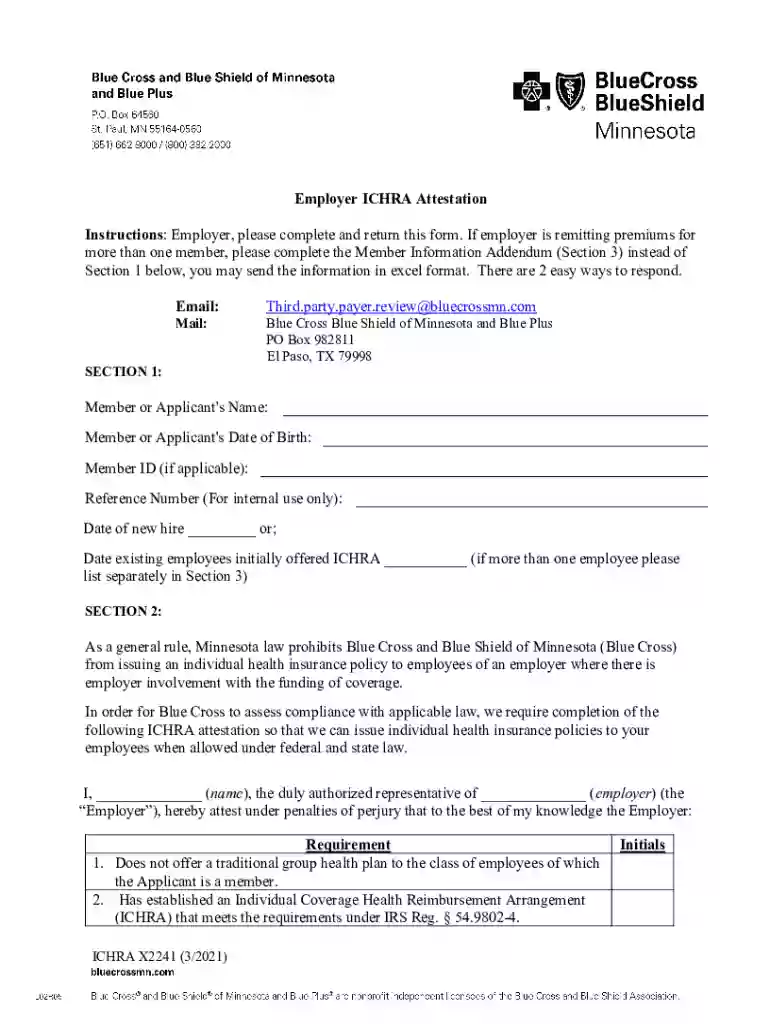
- Legal attestations confirming compliance with regulations are necessary.
Legal Requirements for ICHRA Reporting
Compliance with legal requirements is crucial for avoiding penalties and ensuring that ICHRA offerings align with federal regulations.
- Employers are legally required to ensure all employees are informed about their ICHRA plan.
- Legal agreements outline indemnification and responsibilities of both parties.
- Attestation forms require confirmation of these compliance measures.
IRS Guidelines for ICHRA Reporting
The IRS provides specific guidelines that employers need to follow when reporting ICHRA offerings.
- Official IRS documentation outlines the reporting format and deadlines.
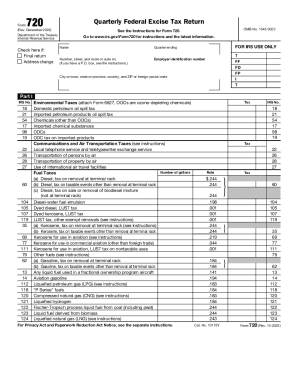
- Tax documents related to employee health insurance reimbursements need to be accurately completed.
Filing Deadlines and Important Dates
Staying informed about relevant deadlines and crucial dates is essential to ensure timely compliance with ICHRA reporting requirements.
- Employers should be aware of annual reporting deadlines imposed by the IRS.
- Early preparation can prevent last-minute complications and ensure compliance with reporting requirements.
Required Documents for ICHRA Reporting
Fulfilling ICHRA reporting obligations requires several documents to be accurately completed and filed.
- W-2 forms need to include information about the ICHRA reimbursement amounts.
- Additional documentation may be needed to verify compliance with health coverage requirements.
Penalties for Non-Compliance
Failing to meet ICHRA reporting requirements can result in penalties that might affect an employer's financial standing.
- Financial penalties may be imposed for incorrect or late filings.
- Ensuring that all required documentation is accurate and timely is essential to avoid such penalties.
Who Issues ICHRA Forms?
The employer is responsible for issuing and managing the necessary forms to meet reporting requirements and ensure compliance.
- Employers must distribute any relevant forms to employees early in the reporting process.
- Companies are responsible for maintaining accurate records and documentation.
Form Submission Methods
Different submission methods are available for filing ICHRA reporting forms, each with its own set of requirements.
- Electronic submission is often preferred for its efficiency and speed.
- Paper submissions may still be used but require adherence to strict guidelines to ensure timely processing.
Digital vs. Paper Submission
Choosing between digital and paper submission methods affects how employers manage their ICHRA reporting tasks.
- Digital submissions can streamline the reporting process and improve record-keeping.
- Paper submissions require additional handling but might be necessary in specific scenarios.
Business Types Benefiting from ICHRA Reporting
Certain business types may find ICHRA more advantageous due to their unique structures and workforce requirements.
- Small businesses may benefit due to the flexibility and scalability of ICHRAs.
- Companies with diverse workforces or remote employees may find ICHRAs particularly suitable.
State-by-State Differences
ICHRA implementation and reporting can vary based on state regulations and specific state-imposed requirements.
- Employers need to be aware of different state laws that could influence ICHRA reporting.
- Variations in state healthcare policies might require additional consideration.
Practical Examples of ICHRA Reporting
Understanding ICHRA reporting requirements involves practical applications that can guide employers through the process effectively.
- Example scenarios illustrate typical reporting situations and employer responsibilities.
- Case studies can demonstrate potential challenges and their solutions in real-life settings.
Alternatives to ICHRA Reporting
Employers should be informed about alternative options to ICHRA and assess their suitability based on organizational needs.
- Health Savings Accounts (HSAs) and group health plans serve as potential alternatives.
- Each option carries its own set of advantages and challenges.
Software Compatibility
Selecting the right software tools can significantly simplify the ICHRA reporting process for employers.
- Compatibility with tools like TurboTax and QuickBooks is essential for smooth information integration.
- Software solutions that integrate with existing payroll systems can enhance efficiency and accuracy.