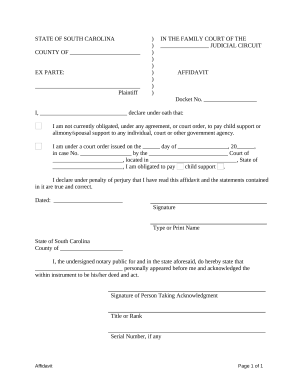
Definition and Meaning of the REV 415 Application for Child Care Subsidy
The REV 415 Application for Child Care Subsidy is a formal document utilized by families in the United States to apply for financial assistance in covering the costs of child care. The form is designed to gather comprehensive information from applicants, including their personal details, family dynamics, employment status, and financial situation. The goal of completing this application is to determine eligibility and ensure that families in need receive the necessary subsidy to afford quality child care services.
Purpose of the REV 415 Form
- The primary objective of the REV 415 is to facilitate financial aid for parents who face challenges in covering the expenses of child care.
- Through detailed information collection, the form assesses the applicant's financial need and allocates resources accordingly.
- By understanding family circumstances and financial situations, the form helps to provide equitable access to child care assistance.
How to Use the REV 415 Application for Child Care Subsidy
When using the REV 415 form, applicants must ensure that every required field is completed thoroughly and accurately. This process involves not only filling out personal information but also understanding how to document income sources, employment status, and family structure.
Instructions for Completing the Form
- Personal Information: Begin by entering personal details such as the applicant's full name, address, and contact information.
- Family Details: Include information about household members, particularly children requiring care.
- Employment and Income Information: Document all sources of income, including wages, benefits, and any other financial contributions to the household.
- Child Care Preferences: Specify preferred child care providers if known, including any special needs or considerations for your children.
Tips for Accurate Form Submission
- Double-check all information for accuracy to prevent delays in the processing of the application.
- Gather all necessary documentation ahead of time to ensure that you have access to needed information as you complete the form.
- Ensure that any listed child care providers meet the necessary criteria to participate in the subsidy program.
How to Obtain the REV 415 Application for Child Care Subsidy
Obtaining the REV 415 Application for Child Care Subsidy can be achieved through various channels, ensuring accessibility for all applicants.
Ways to Access the Form
- Online Download: Most state agencies provide the form on their official websites, allowing applicants to download and print it at their convenience.
- In-Person Collection: Families can visit local human services or child care assistance offices to request a physical copy of the form.
- Mail Requests: Some states offer the option to request the form by mail; applicants may need to contact their local office to make this request.
Benefits of Different Access Methods
- Online downloads offer quick and immediate access to the form, reducing waiting times.
- In-person collection allows applicants to ask questions and receive assistance directly from staff members.
- Mail requests can be convenient for those with limited internet access or mobility challenges.
Steps to Complete the REV 415 Application for Child Care Subsidy
Completing the REV 415 application requires attention to detail and an organized approach to ensure that all necessary sections are filled accurately.
Comprehensive Step-by-Step Guide
- Gather Documentation: Collect all necessary supporting documents including recent pay stubs, tax returns, and identification for each household member.
- Complete Personal Details: Accurately fill in all personal and contact information as instructed.
- Detail Family Structure: Provide information on each family member who will benefit from the subsidy.
- Report Income Sources: List all household income sources, ensuring to differentiate between earned and unearned income.
- Child Care Provider Selection: Include preferences if applicable, and ensure selected providers comply with subsidy regulations.
- Review and Sign: Verify that all information is correct, then sign the form to confirm the accuracy.
- Submission: Submit the completed form according to your state’s guidelines, either online, by mail, or in person if required.
Mistakes to Avoid
- Leaving sections blank can lead to processing delays.
- Providing inaccurate income information can affect eligibility and approval chances.
- Forgetting to sign the form will result in an incomplete application.
Key Elements of the REV 415 Application for Child Care Subsidy
Understanding the critical elements of the REV 415 form enhances the likelihood of a successful application and subsequent approval.
Core Sections of the Form
- Applicant Information: Ensures provision of all required personal details.
- Family Data: Collects information on household members to determine total family resources.
- Employment and Income: Detailed reporting of all income sources is required for accurate assessment.
- Child Care Provider Preferences: Allows applicants to express their child care needs and preferences.
Importance of Each Section
- Accurate applicant information helps verify identity and streamline communication.
- Complete family data provides insight into the household’s financial obligations and needs.
- Thorough employment and income declaration is essential in evaluating financial eligibility.
- Child care provider preferences offer important insights into the applicant's care requirements and help tailor assistance.
Eligibility Criteria for the REV 415 Application for Child Care Subsidy
Eligibility for the Child Care Subsidy is determined by various factors that applicants must meet or exceed to qualify for assistance.


Primary Eligibility Requirements
- Income Thresholds: Applicants must fall within specified income brackets to be considered eligible, which can vary by state and family size.
- Proof of Need: Demonstrated financial need is required to justify the request for subsidy.
- Employment or Education Status: Eligibility often requires that parents be employed, self-employed, or enrolled in an educational program.
Additional Considerations
- Residency Requirements: Applicants usually must reside in the state where they are applying for assistance.
- Number of Dependents: The number of children and their ages can influence eligibility and benefit levels.
Understanding these eligibility criteria and ensuring that all documentation supports the need for assistance can significantly impact the success of the application.
Required Documents for the REV 415 Application for Child Care Subsidy
Submitting a complete REV 415 form involves supporting documentation that verifies the information provided and demonstrates the applicant's need for assistance.
Essential Documentation
- Identity Verification: Copies of government-issued IDs for all adult household members.
- Income Documentation: Recent pay stubs, W-2 forms, or tax returns that verify income levels.
- Proof of Residency: Utility bills or rental agreements that confirm the applicant's state residency.
- Child Verification: Birth certificates or other documentation proving the ages of children needing care.
Importance of Documentation Accuracy
- Providing complete and accurate documentation ensures a smoother application process and reduces the chances of delays.
- Discrepancies between submitted information and documentation can result in application denial or requests for additional information.
By meticulously preparing and organizing these documents before beginning the application process, applicants can facilitate a more efficient submission and review process.
State-Specific Rules for the REV 415 Application for Child Care Subsidy
Each state may have unique regulations and guidelines that affect how the REV 415 application is processed and approved.
Variability Across States
- Income Limits: States may have different income thresholds based on cost of living and available resources.
- Child Care Provider Criteria: Requirements for qualifying providers may differ, as states establish specific standards for approved facilities.
- Application Deadlines: Each state sets its own deadlines for submission and periods of eligibility, requiring applicants to remain aware of these timelines.
Navigating State-Specific Guidelines
- It is essential for applicants to gather information from state-specific resources or contact local agencies to comprehend any unique requirements.
- Consulting with local child care assistance representatives can clarify uncertainties about state regulations and ensure compliance with all necessary rules.
Understanding these state-specific dynamics ensures that applicants adhere to all relevant requirements, maximizing their chances for successful application approval.