01. Edit your form online
Type text, add images, blackout confidential details, add comments, highlights and more.

Type text, add images, blackout confidential details, add comments, highlights and more.

Draw your signature, type it, upload its image, or use your mobile device as a signature pad.

Send it via email, link, or fax. You can also download it, export it or print it out.
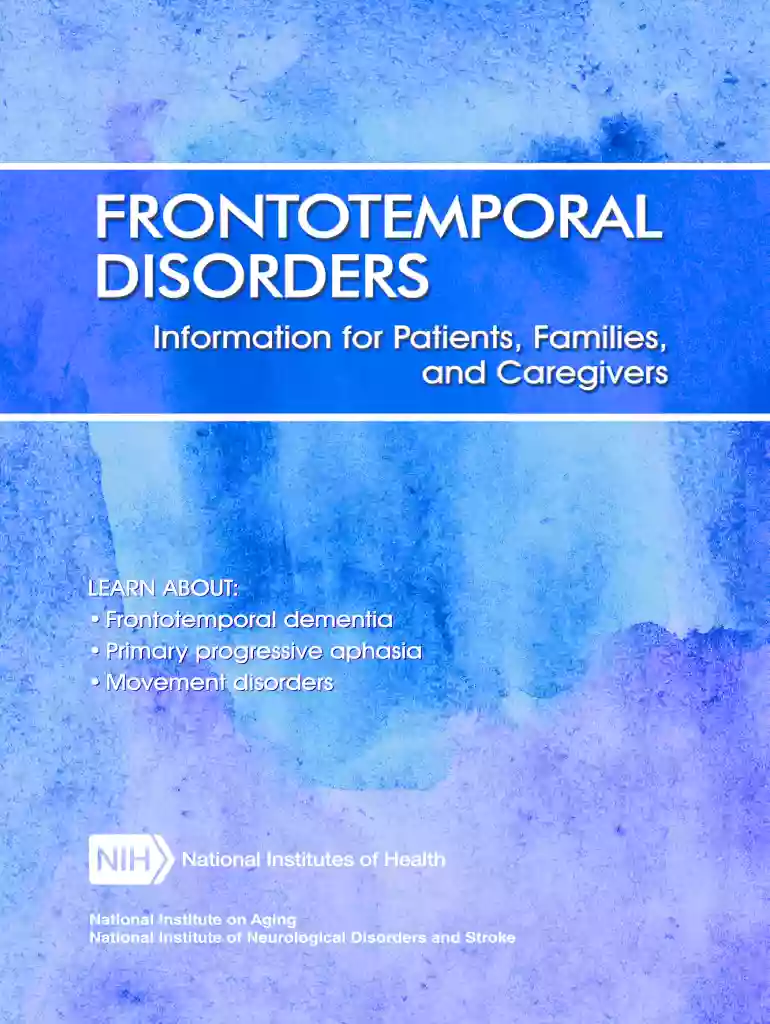
Frontotemporal dementia (FTD) and primary progressive aphasia (PPA) are part of a group of disorders known as frontotemporal disorders. These neurological conditions primarily affect the brain's frontal and temporal lobes, leading to changes in behavior, personality, language, and movement. FTD is characterized by the degeneration of neurons in these brain regions, resulting in symptoms that differ from other forms of dementia, such as Alzheimer's disease. PPA, a subtype of FTD, specifically impacts language skills, leading to difficulties in speech, word finding, and comprehension over time. Understanding the nuances and distinctions between these conditions aids in diagnosis, treatment, and care management, impacting the lives of those affected and their families.
The symptoms of frontotemporal dementia can vary greatly, but they often include significant changes in personality and behavior, such as a lack of empathy, inappropriate social behavior, and impulsive actions. In primary progressive aphasia, the key symptom is the gradual decline in the ability to communicate effectively. This condition progresses to impact the understanding and creation of speech. These elements are crucial for healthcare providers to recognize early signs and differentiate them from other types of dementia, leading to appropriate and timely interventions.
Information regarding these disorders is essential for multiple stakeholders. Patients experiencing early symptoms, caregivers responsible for daily support, and healthcare professionals engaged in diagnosis and treatment benefit greatly from understanding these conditions. Researchers and policy-makers also use this knowledge to enhance funding, support systems, and public awareness. This widespread use underscores the importance of accessible, comprehensive educational resources on these types of dementia.
Initial Evaluation and Diagnosis: Seek a comprehensive evaluation from a neurologist or specialist experienced with dementias. Tests often include cognitive and language assessments, neuroimaging, and genetic testing.
Develop a Care Plan: Collaborate with healthcare providers to create a personalized care plan addressing medical, psychological, and social needs.
Therapeutic Interventions: Engage in speech therapy to manage language difficulties and occupational therapy to assist with daily activities.
Regular Monitoring: Regular follow-ups with care providers to adjust treatments and address new symptoms as the disorders progress.
Community Support: Connect with support groups and community resources for emotional support and practical advice.
Understanding these disorders is critical for tailoring day-to-day interactions and improving quality of life for those affected. Caregivers can adapt communication methods and create safer, more structured environments. Healthcare workers apply this knowledge to develop personalized treatment regimens and advise on lifestyle changes that may mitigate symptoms. Effective use of this knowledge helps demystify the condition and alleviate some of the associated fears for families and communities.
People diagnosed with these disorders may eventually struggle with decision-making, necessitating legal preparation. Legal steps include setting up durable power of attorney and advanced healthcare directives. These measures ensure that the person's wishes are respected and legally enforced. Education on these legal tools is critical for families and patients early in the diagnosis to prevent future complications.
Some states have specific guidelines and resources for handling dementia-related conditions. Policies regarding driving privileges, employment rights, and care facilities may vary. It is important for caregivers and patients to research state-specific regulations and avail themselves of local resources tailored to frontotemporal disorders for more effective management of these conditions.
A multifaceted approach includes addressing the emotional, psychological, and practical aspects of living with these disorders. Providing a well-rounded view allows individuals and their families to better navigate the complexities of each stage. Continuous research, community support networks, and accessible educational materials are pivotal in bolstering effective management strategies and caregiver resilience.
We've got more versions of the Frontotemporal dementia Primary progressive aphasia - form. Select the right Frontotemporal dementia Primary progressive aphasia - version from the list and start editing it straight away!
At DocHub, your data security is our priority. We follow HIPAA, SOC2, GDPR, and other standards, so you can work on your documents with confidence.