01. Edit your form online
Type text, add images, blackout confidential details, add comments, highlights and more.

Type text, add images, blackout confidential details, add comments, highlights and more.

Draw your signature, type it, upload its image, or use your mobile device as a signature pad.

Send it via email, link, or fax. You can also download it, export it or print it out.
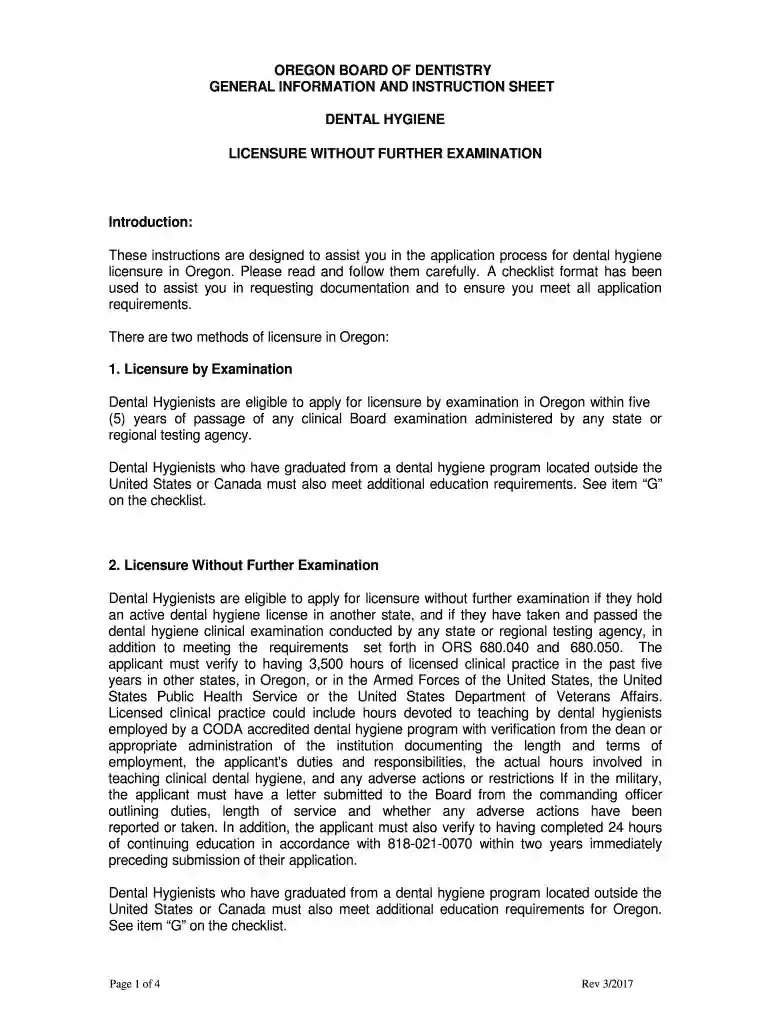
A checklist format is a structured document designed to streamline tasks by listing items that need to be completed or verified. This approach is often used across various sectors like healthcare, aviation, education, and corporate settings to ensure precision and prevent omissions in routine processes. The format typically includes a series of specific items or tasks, each with a checkbox indicating completion.
Task Descriptions: Concise and clear descriptions to avoid confusion.
Check Boxes: Indicate the completion status of each task.
Priority Markers: Optional markers can highlight urgent tasks or items needing immediate attention.
Additional Notes: Space for adding comments or specific requirements related to each task.
Pre-flight Checks in Aviation: Pilots use checklists to ensure all safety protocols are followed before departure.
Project Management Checklists: Teams utilize them to track project milestones and tasks.
Home Maintenance: Homeowners can list seasonal tasks such as gutter cleaning or HVAC servicing.
Completing a checklist efficiently requires careful attention to each task and a systematic approach.
Amendments: If a task needs alteration mid-process, include additional notes and inform relevant stakeholders.
Task Dependencies: Identify tasks relying on the completion of others before proceeding.
Checklists can be valuable tools in various workflows, providing a simple way to track the progress of ongoing tasks or processes.
Team Collaboration: Share checklist responsibilities with team members to promote accountability and efficiency.
Routine Processes: Implement checklists in recurring activities to ensure consistency and quality.
Quality Assurance: Use checklists as verification tools in product development or service delivery.
Single vs. Reusable: Some checklists are one-time-use, while others are designed for repeated application.
Digital vs. Paper: Many prefer digital checklists for ease of use, updates, and sharing, while others may prefer physical checklists for tangibility.
Checklists are universally useful in any environment where tasks need to be completed systematically.
Healthcare Professionals: Use checklists for protocols such as surgical safety.
Educators: Track lesson planning and curriculum developments with checklists.
Corporate Employees: Utilize checklists for project management and meeting preparation.
Manufacturing: Track quality control and inventory checks.
Event Planning: Ensure all logistical details are confirmed and executed.
While often informal, checklists can also serve legal documentation functions when carefully structured and implemented.
Compliance Checklists: Used to ensure adherence to industry regulations and legal standards.
Audit Trails: Checklists in finance or healthcare can provide audit evidence.
Contract Fulfillment: As part of documentation to confirm contractual obligations have been met.
Accuracy: Ensure all items are factually correct and up-to-date.
Record Keeping: Maintain checklists in a manner that allows for historical referencing.
Certain businesses or sectors see significant efficiency improvements through the adoption of checklist formats.
Logistics Companies: For tracking shipping processes and schedules.
Hospitality Industry: To ensure consistent service delivery standards.
Retail Management: Inventory management and customer service protocols.
Increased Efficiency: Streamlined processes reduce the potential for errors.
Enhanced Communication: Clear tasks foster transparent communication among team members.
Checklists serve many purposes, from daily task tracking to complex process management.
Event Planning Checklist: Covers all aspects from pre-event to post-event analysis.
New Employee Onboarding: Tracks training sessions, policy acknowledgments, and equipment assignments.
Conference Preparation: Manages speaker arrangements, venue logistics, and attendee communications.
Simplicity and Effectiveness: Checklists are potent tools for organization and task management.
Versatile Usage: Applicable across diverse contexts, from personal to professional settings.
Customization Potential: Checklists can be tailored to suit specific needs, making them highly adaptable tools in any workflow.
We've got more versions of the A checklist format has been form. Select the right A checklist format has been version from the list and start editing it straight away!
At DocHub, your data security is our priority. We follow HIPAA, SOC2, GDPR, and other standards, so you can work on your documents with confidence.