




Understanding "What Your System Needs"
"What Your System Needs" is a crucial document for individuals and organizations seeking to streamline their digital operations, particularly concerning document management and workflow efficiency. This document outlines essential requirements and protocols to enhance system functionality and security. The central focus is on ensuring compatibility and effective utilization of tools such as DocHub—an online platform for editing, signing, and sharing documents.
How to Use "What Your System Needs"
The "What Your System Needs" document provides a comprehensive guide to optimizing your document workflow using platforms like DocHub. To leverage this document effectively:
- Identify System Requirements: Review essential hardware and software requirements necessary for efficient workflow execution.
- Integrate Existing Tools: Ensure compatibility with current tools and platforms, such as Google Workspace, for a seamless integration process.
- Enhance Security Measures: Follow the security protocols indicated, including encryption and authentication practices, to safeguard document handling.
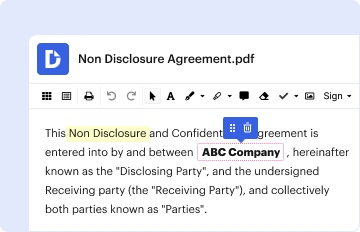
- Utilize Editing Features: Learn to use features like text editing, annotations, and image insertion for thorough document preparation.
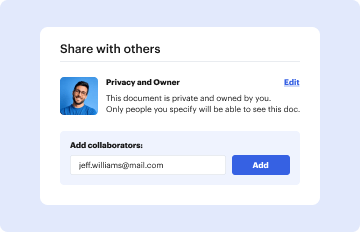
- Facilitate Collaboration: Enable collaboration functions to work with multiple users efficiently, such as through live synchronization and permission settings.
Key Elements of "What Your System Needs"
Several critical elements underpin the "What Your System Needs" form, including:
- Security Protocols: Implementing 256-bit SSL encryption and OAuth 2.0 authentication to protect data integrity.
- Compatibility Features: Support for various file formats, ensuring broad compatibility with existing documents.
- User-Friendly Interface: Intuitive design for easy navigation and quick access to necessary tools and features.
- Collaboration Tools: Options for leaving comments, setting permissions, and syncing changes in real-time to streamline teamwork.
- Form Creation Capabilities: Ability to create and manage fillable forms for efficient data collection and communication.
Legal Use of "What Your System Needs"
Ensuring legal compliance when using "What Your System Needs" involves understanding associated rules and regulations related to digital signatures and document handling. Key legal considerations include:
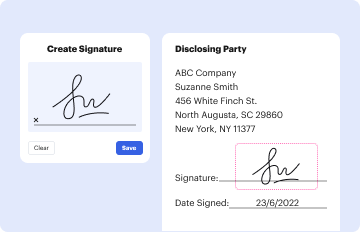
- Electronic Signatures: Compliance with the ESIGN Act ensures signatures obtained through DocHub are legally binding.
- Confidentiality: Adhering to confidentiality agreements and safeguarding sensitive data during document exchanges.
- Audit Trails: Maintaining comprehensive audit trails for signed documents, which record critical details such as viewing and signing times.
Step-by-Step Guide to Completing "What Your System Needs"
Completing the "What Your System Needs" document involves several steps to ensure your system is optimized for document management:
- Review System Requirements: Begin by outlining current system capabilities and identifying areas for improvement.
- Install Necessary Tools: Ensure essential applications, such as DocHub, are correctly installed and configured.
- Conduct Security Check: Implement recommended security measures and verify encryption protocols are active.
- Customize Interface Settings: Adapt interface settings to enhance usability and match workflow preferences.
- Train Staff: Provide training for users to utilize new features effectively, emphasizing collaboration and document editing.
- Monitor and Adjust: Regularly review system performance and make necessary adjustments for ongoing optimization.
Who Typically Uses "What Your System Needs"
The "What Your System Needs" document is typically utilized by:
- Small to Medium Businesses (SMBs): To enhance productivity and streamline document-related operations.
- Freelancers and Contractors: Who require efficient tools for managing client documents and securing contracts.
- Legal and Financial Institutions: Needing secure, compliant systems for handling sensitive agreements and transactions.
- Educational Institutions: Managing administrative functions requiring coordinated document handling across departments.
State-Specific Rules Regarding "What Your System Needs"
For organizations operating across different states, it's essential to recognize variations in regulations affecting the use of document management systems:
- Data Protection Laws: Different states may have unique requirements, such as California's CCPA or New York's SHIELD Act, impacting data handling practices.
- eSignature Regulations: Verify state-specific rules concerning the legality of electronic signatures to ensure compliance.
Software Compatibility
The "What Your System Needs" document emphasizes the significance of software compatibility for effective document management. Using platforms like DocHub ensures seamless integration with popular software solutions, such as:
- Google Workspace: Direct integration with Google Drive and Gmail for efficient file management and sharing.
- Microsoft Office: Compatibility with DOC, XLS, and PPT formats to maintain document integrity during edits.
- Cloud Storage Services: Support for cloud-based systems like Dropbox and OneDrive to enhance accessibility and collaboration.
By prioritizing these considerations, users can optimize their document handling processes, ensuring secure and efficient electronic dealings that align with both user needs and legal requirements.