






Definition and Meaning
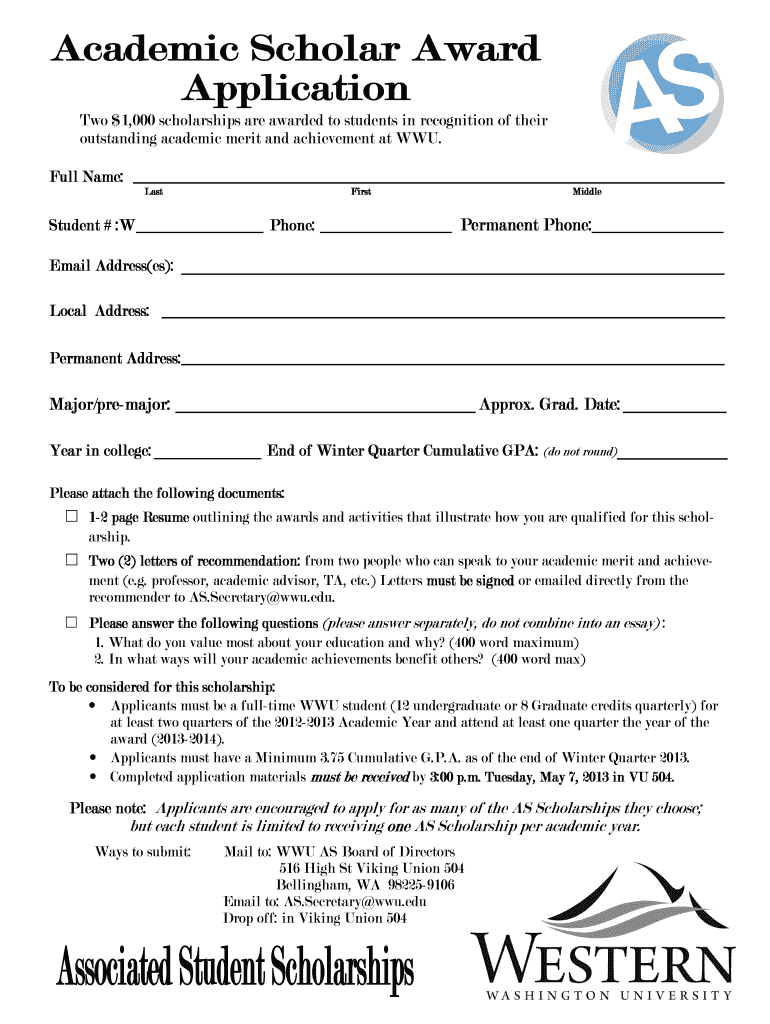
The academic application is a critical tool used in academic environments for students and faculty to apply for various scholarly activities. These activities include scholarship applications, program admissions, research grants, and other educational pursuits. The application gathers personal, academic, and often additional information to evaluate the applicant’s eligibility and potential fit for the requested opportunity. Understanding the purpose and structure of the academic application is essential for successful submission.
Academic Application Context
- Scholarships and Grants: Individuals often use academic applications to apply for financial aid, which can be merit-based or need-based, to further their education without the burden of tuition fees.
- Program Admissions: Prospective students submit academic applications to gain entry into degree programs, fellowships, or internships, evaluating criteria such as academic performance and extracurricular involvement.
How to Use the Academic Application
Understanding the correct usage of an academic application is crucial in maximizing the chances of acceptance or funding. Each section of the application serves a specific purpose and must be completed with accuracy and attention to detail.
Key Components
- Personal Information: Accurately fill out identification details such as name, contact information, and demographic data.
- Academic Background: Include your educational history, current studies, GPA, and relevant coursework.
- Supporting Materials: Attach all requested documents like resumes, transcripts, letters of recommendation, and essays.
How to Obtain the Academic Application
Accessing the academic application involves knowing where and how to locate the necessary forms. Institutions typically provide these forms through various channels, ensuring broad access for all applicants.
Access Channels
- Online Portals: Most educational institutions offer digital access to applications through their official websites or dedicated student portals.
- In-Person Retrieval: Applications may be available at campus administration offices or guidance counseling centers for those preferring physical copies.
Steps to Complete the Academic Application
Successfully completing an academic application requires careful attention to detail and adherence to the specified guidelines set by the institution or grant provider.
Step-by-Step Process
- Gather Required Information: Compile all necessary academic credentials, personal details, and reference contacts.
- Fill Out the Application: Precisely enter information in each field, referencing guidelines for any specific instructions or limitations.
- Review and Edit: Proofread the entire application for any inaccuracies or incomplete sections before submission.
Why Use an Academic Application
The application serves several critical functions in the educational ecosystem, facilitating opportunities and ensuring structured entry into programs and financial aid options.
Benefits of Usage
- Opportunity Access: Provides a formal mechanism to apply for scholarships, aid, and academic programs, essential for academic advancement.
- Structured Evaluation: Applications allow institutions to systematically assess applicants, ensuring fair and merit-based selections.
Who Typically Uses the Academic Application
Understanding the demographic of users who frequently utilize academic applications can provide insights into common requirements and expectations from these documents.


Main Users
- Students: High school graduates, undergraduates, and graduates seeking further education or financial assistance.
- Academic Professionals: Those pursuing research opportunities or positions within academic institutions.
Required Documents
Successfully submitting an academic application often requires several supporting documents that provide proof and verification of information presented within the form.
Commonly Required Attachments
- Transcripts: Academic records showcasing previous education and achievement.
- Letters of Recommendation: Endorsements from educators or mentors attesting to the applicant’s capabilities and potential.
- Personal Essays: Written compositions addressing specific prompts designed to reveal the applicant’s motivations and suitability.
Form Submission Methods (Online, Mail, In-Person)
Depending on the institution's requirements, applicants have various options for submitting their completed forms. Understanding these methods is critical for meeting submission deadlines efficiently.
Submission Options
- Online: Direct digital submission via institutional websites or designated application portals is often preferred for its convenience and speed.
- Mail: For those opting for traditional methods, sending applications through the postal service remains a viable option, requiring attention to mailing deadlines.
- In-Person: Direct submission to the office of the admissions department or scholarship board is suitable when seeking immediate confirmation of receipt.