






Understanding Schedule E
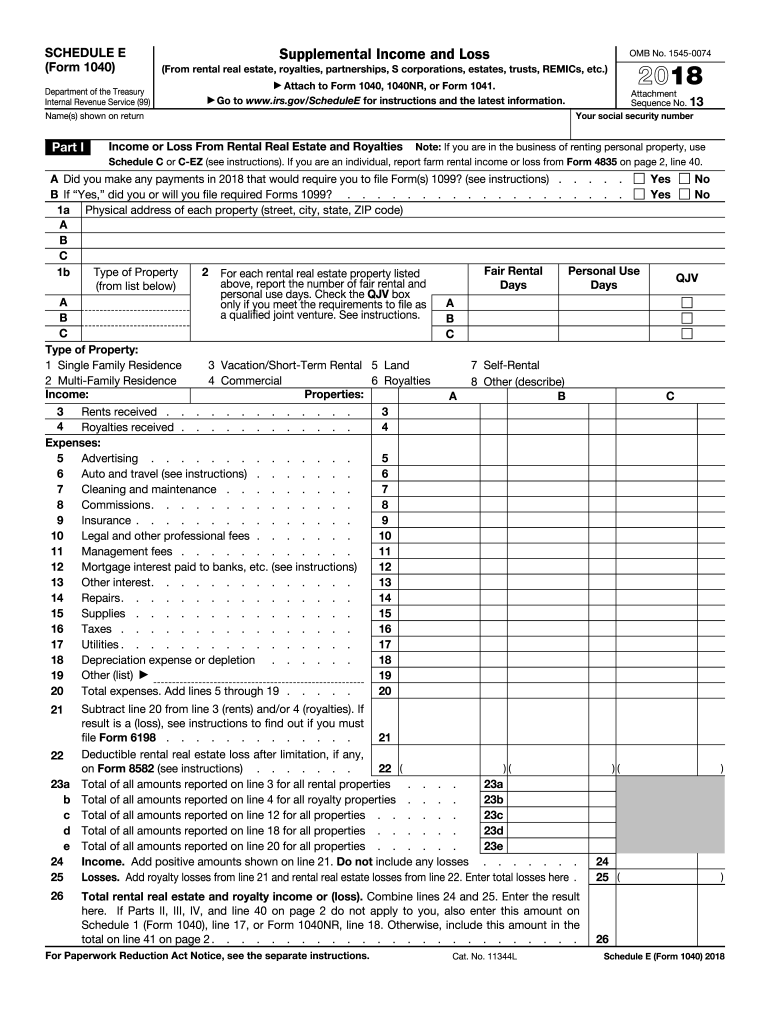
Schedule E (Form 1040) is primarily utilized by individuals to report supplemental income or loss. It encompasses a variety of sources including rental real estate, royalties, and income from partnerships and S corporations. It plays a significant role in annual tax filings, serving as an attachment to the main tax return forms such as Form 1040, 1040NR, or 1041. The document helps taxpayers detail specific types of income and associated expenses, thereby ensuring accurate tax liabilities.
Importance of Schedule E
The purpose of Schedule E is to capture and report income not covered by the standard W-2 or self-employed earnings forms. It is essential for anyone receiving income from rental properties, royalties, S corporations, partnerships, estates, or trusts. By providing a structured approach to report such income, Schedule E helps taxpayers avoid errors and ensure compliance with IRS regulations. Accurately completing this form can lead to potential tax deductions, resulting in significant savings.
Steps to Complete Schedule E
-
Collect Information and Documentation: Compile all necessary documents including rental agreements, K-1 forms, and records of royalty income.
-
Complete Part I: This section is dedicated to reporting income or loss from rental real estate and royalties. Enter the total income, expenses, and net profit or loss for each property.
-
Partnerships and S Corporations: For those involved with partnerships, complete Part II, detailing any income or losses from these entities as reported on Schedule K-1.
-
Estates and Trusts: Use Part III to report any income from estates and trusts, based on data from the K-1 received.
-
Adjustments and Totaling: Ensure the sum of all parts is accurately reflected in the summary section of the form, then transfer relevant totals back to your Form 1040.
-
Review and Submission: Double-check for accuracy, then attach Schedule E to your main tax return form when submitting.
Who Typically Uses Schedule E
Schedule E is often used by landlords, investors in real estate, beneficiaries of trusts, and members of partnerships or S corporations. It is particularly useful for those who have income from sources that fall outside regular employment, ensuring all streams are legally reported. Many self-employed individuals with diversified income sources also rely on Schedule E for precise reporting.
Key Elements of Schedule E
- Rental Income: Assesses net profit or loss from rental activities, taking into account expenses like maintenance and management fees.
- Partnership and S Corporation Income: Captures income data reported on K-1 forms from relevant business entities.
- Royalty Income: Covers income from intellectual property or mineral rights.
- Expenses and Deductions: Allows for the deduction of expenses related to income streams listed on Schedule E.
IRS Guidelines for Schedule E
The IRS provides specific guidelines for reporting various types of income on Schedule E. These instructions dictate how to handle depreciation, capital improvements, and the deduction of losses. The guidelines are critical to ensuring compliance and avoiding errors that could lead to audits or penalties. It's essential to consult the latest IRS instructions for the most current rules and exemptions.
Filing Deadlines and Important Dates
Schedule E, as part of the individual tax return, must generally be filed by the annual tax deadline, which is typically April 15. Extensions can be requested if more time is needed to gather requisite information. It is advisable to keep track of any changes in deadlines due to events such as federal holidays or national emergencies.
Penalties for Non-Compliance
Failing to accurately complete and file Schedule E can result in significant penalties, including fines and interest on unpaid taxes. For those who intentionally neglect to report income, the IRS might impose more severe penalties or initiate an audit. To avoid these consequences, it is crucial to fill out Schedule E with attention to accuracy and detail.
Digital vs. Paper Version
Schedule E can be completed using digital tax preparation software such as TurboTax or QuickBooks, which streamlines the form-filling process and helps minimize errors. E-filing is generally faster and can provide quicker confirmation of the IRS receiving your return. However, paper filing remains an option for those preferring a tangible record and manual submission.