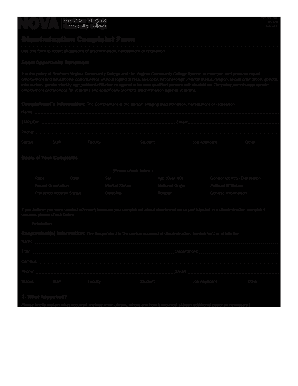
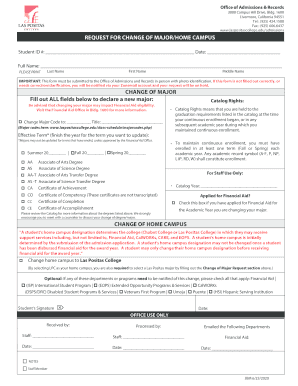
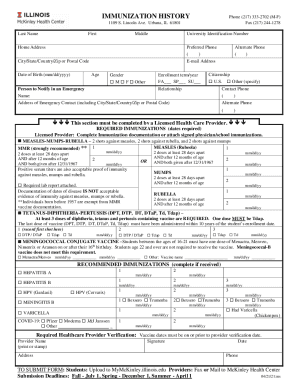
01. Edit your business consent form online
Type text, add images, blackout confidential details, add comments, highlights and more.

Type text, add images, blackout confidential details, add comments, highlights and more.

Draw your signature, type it, upload its image, or use your mobile device as a signature pad.

Send business consent form via email, link, or fax. You can also download it, export it or print it out.
The "business consent form" is a document that grants permission for specific actions or activities to be undertaken on behalf of a business entity. In the context of businesses, it often involves granting permission for media usage, sharing sensitive information, or conducting specific operations. This form establishes a clear understanding between the parties involved, outlining what the consent covers, any restrictions, and the duration the consent is valid. Its purpose is to protect both the business and the consenting party by defining the scope of what is permitted.
Using a business consent form involves several critical steps to ensure clarity and legality. First, determine the specific purpose of the form, such as authorizing the use of company media for promotional purposes or allowing the sharing of confidential information. Once the purpose is clear, tailor the form to include relevant details and conditions. Include sections for identifying parties, describing consent scope, and outlining any limitations. Before finalizing, review the form with concerned stakeholders to ensure all aspects of the consent are understood and agreed upon.
Identify the Parties Involved: Fill in the names and contact information of both the consenting party and the business requesting consent.
Specify the Purpose: Clearly describe the specific actions or permissions being granted through the consent form.
Define Terms and Conditions: Outline any parameters or limitations associated with the consent, including timeframes and geographical restrictions.
Signature and Date: Ensure all parties have read and understood the terms before signing and dating the form.
Retain Records: Keep a copy of the completed and signed form for future reference and compliance documentation.
Identifying Information: Include details about the parties involved to avoid any confusion about who is consenting and who is authorized.
Scope of Consent: Clearly outline what actions are permitted, ensuring both parties understand the extent and boundaries of the consent.
Duration of Consent: Specify how long the consent remains valid, whether it is a one-time occurrence or ongoing under certain conditions.
Cancellation or Revocation: Detail the process for revoking consent if needed, including notice periods and procedures.
The legal utilization of a business consent form ensures that both parties are protected under U.S. law. The agreement must adhere to relevant state and federal regulations to be enforceable. In legal disputes, a well-documented consent form can serve as evidence of agreed terms. Businesses should seek legal counsel when drafting consent forms to ensure compliance with laws such as the ESIGN Act for electronic signatures or privacy regulations applicable to the specific use case.
Indemnity: A guarantee often included in consent forms, protecting one party from responsibility for certain damages or legal claims.
Confidentiality: A provision that ensures sensitive information shared through consent is not disclosed to unauthorized parties.
Limitations: Specific restrictions on what can or cannot be done with the consent, such as limitations on geographic regions or specific usages.
Various entities use business consent forms, including:


Media Disclosure Consent: Businesses use this form to allow the use of their logos or trademarks in advertising campaigns.
Information Sharing Consent: Firms obtaining permission to share financial or proprietary information with partners or investors.
Event Participation: Companies organizing an event may require participants to sign a consent form to use photos or videos taken during the event for promotional purposes.
At DocHub, your data security is our priority. We follow HIPAA, SOC2, GDPR, and other standards, so you can work on your documents with confidence.