01. Edit your form online
Type text, add images, blackout confidential details, add comments, highlights and more.

Type text, add images, blackout confidential details, add comments, highlights and more.

Draw your signature, type it, upload its image, or use your mobile device as a signature pad.

Send it via email, link, or fax. You can also download it, export it or print it out.
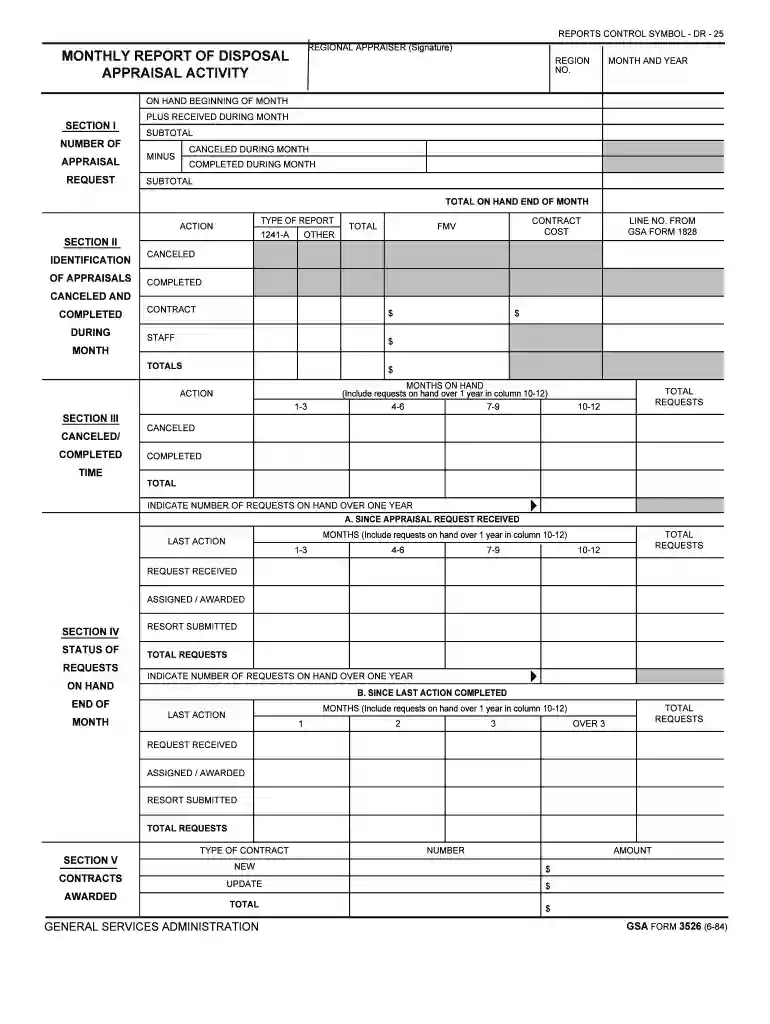
The "Incorrect Reporting of Sales and Listing Data in Appraisal Reports" refers to the errors and inaccuracies found in appraisal documents regarding the sales and listing information of properties. This form captures the discrepancies, which can impact the accuracy of the appraisal and, consequently, the value assessment of a property. It is crucial for ensuring transparency and reliability in real estate transactions and financial reporting.
To utilize the form effectively, individuals or appraisers need to thoroughly review both the appraisal report and the underlying sales and listing data for any inconsistencies. The form should be used to document these findings, categorizing them based on severity and type, such as numerical inaccuracies, omitted data, or misrepresented timeframe. This structured analysis helps in rectifying errors and maintaining credibility.
Review the Appraisal Report: Begin with a detailed analysis of the appraisal document to identify potential discrepancies.
Compile Comparative Data: Gather sales and listing data from reliable sources to cross-check against the information in the report.
Document Discrepancies: Use the form to log inaccuracies, detailing the nature of each error and the corrected data.
Consult with Stakeholders: Engage with relevant parties—such as real estate agents or financial advisors—for additional insights and verification.
Final Review and Submission: Check the completed form for completeness and accuracy before submitting it to the appropriate regulatory or oversight entity.
The form has legal implications for maintaining accuracy in appraisal reports, as it informs both buyers and financial institutions about potential inconsistencies that could affect loan conditions or market assessments. Ensuring accuracy is crucial for compliance with legal standards and for protecting against potential litigation or penalties.
Failure to accurately report sales and listing data can result in significant repercussions such as fines, suspension of appraisal licenses, and legal challenges. Organisations and individuals responsible for repeated or significant errors could face scrutiny from regulatory authorities, leading to investigations and potential sanctions.
Sectors such as real estate investment firms, banks, and mortgage companies benefit from accurate reporting as it directly influences property valuation and financial decision-making. Ensuring data accuracy fosters better investment strategies and lending practices.
Consider a scenario where an appraisal report overstates the square footage of a property, resulting in an inflated valuation. By using this form, the appraiser can document the discrepancy, correct the figure, and provide the client with a revised appraisal report. Similarly, a listing might state a higher recent sale price, which affects comparisons; the form helps to identify and rectify these errors, ensuring thorough reporting.
We've got more versions of the Incorrect Reporting of Sales and Listing Data in Appraisal Reports form. Select the right Incorrect Reporting of Sales and Listing Data in Appraisal Reports version from the list and start editing it straight away!
| Versions | Form popularity | Fillable & printable |
|---|---|---|
| 1984 | 4.8 Satisfied (237 Votes) |
At DocHub, your data security is our priority. We follow HIPAA, SOC2, GDPR, and other standards, so you can work on your documents with confidence.