




Definition & Meaning
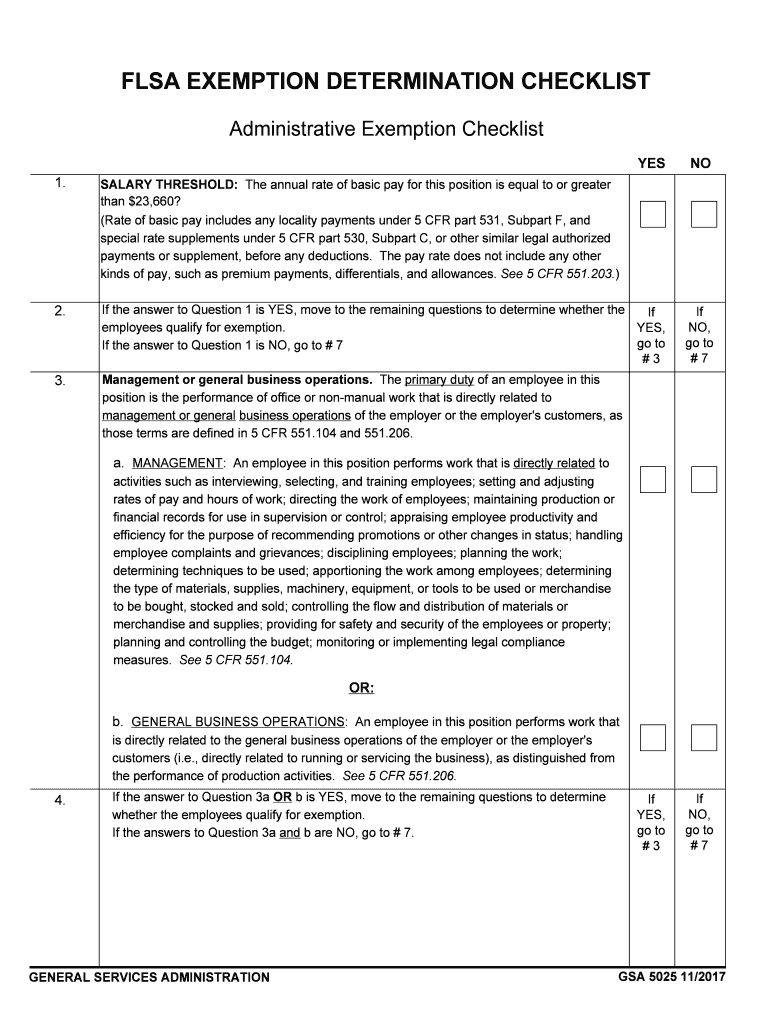
The term "than $23,660" typically refers to the salary benchmark used in the context of the Fair Labor Standards Act (FLSA) for determining employee exemption status. Under previous FLSA guidelines, employees earning less than $23,660 annually may qualify as non-exempt, meaning they are entitled to overtime pay for hours worked beyond the standard 40-hour workweek. This salary threshold serves as a crucial factor in classifying employees and ensuring compliance with labor regulations.
Nuances of the $23,660 Benchmark
- Historical Context: The $23,660 threshold was established to ensure fair compensation for employees working excessive hours without receiving overtime.
- Impact on Employers: Employers must carefully evaluate employee roles and compensation structures to align with FLSA standards and avoid misclassification penalties.
- Relevance Today: Although the threshold may have changed, understanding its historical significance helps in comprehending current labor law dynamics.
Eligibility Criteria
Employees are classified based on their duties and salary levels to determine eligibility for overtime pay. To qualify as non-exempt under the FLSA, employees earning less than $23,660 should not primarily engage in managerial or supervisory tasks.

Factors Influencing Eligibility
- Salary Level: Annual earnings below the set threshold automatically make an employee eligible for overtime compensation.
- Job Duties: Non-exempt employees usually perform tasks with little discretionary power.
- Regular Work Hours: Those regularly working over 40 hours a week are often assessed for overtime eligibility.
Steps to Complete the Process
If a business or HR department needs to adhere to the FLSA standards concerning the $23,660 threshold, it must follow specific steps to ensure proper classification.
- Assess Employee Duties: Review each employee's job functions to verify that they match non-exempt status criteria.
- Analyze Salary Data: Ensure salary records are complete and reflect accurate annual earnings.
- Determine Overtime Eligibility: Verify which employees must be compensated for overtime based on their earnings and job duties.
Comprehensive Review
- Document all processes and ensure they are accessible to compliance officers.
- Conduct regular audits to maintain alignment with any updates to FLSA guidelines.
Important Terms Related to the $23,660
Understanding key terms facilitates better navigation of FLSA regulations and their implications.
- Non-Exempt Employee: An individual compensated for overtime as per FLSA rules.
- Exempt Employee: Employees not entitled to overtime pay, often due to supervisory responsibilities.
- Overtime Pay: Extra earnings owed for time worked over 40 hours a week, typically at a rate of one and a half times the regular pay rate.
Legal Use of the $23,660
The $23,660 threshold serves as a legal standard within the FLSA framework. Employers must ensure compliance with wage and hour laws to prevent legal ramifications.
Compliance Measures
- Regular Updates: Stay informed about any changes or updates to the threshold values and revise practices accordingly.
- Training and Awareness: Enable staff training on wage laws to foster a compliant workplace culture.
Examples of Using the $23,660
Practical examples illustrate how the $23,660 threshold applies across various scenarios.
- Case Study: Retail Employee: A full-time retail worker earning $20,000 annually is classified as non-exempt and receives overtime pay for working weekends.
- Case Study: Administrative Assistant: With an annual salary of $22,000, the position receives compensation for any extra hours beyond the standard workweek.
State-Specific Rules for the $23,660
States may have additional regulations or higher thresholds than the federal standard. Businesses must be aware of local laws to ensure full compliance.
Notable State Variations
- California: Often has its own labor laws and higher salary thresholds than federal mandates.
- New York: State-specific rules frequently impact salary benchmarks and employee classifications.
Key Takeaways
The $23,660 salary threshold under the FLSA plays a vital role in determining employee exemption status. Employers must actively ensure compliance with this and other relevant labor guidelines. Thorough evaluations, ongoing education, and awareness of state-specific rules are essential measures to maintain adherence. Understanding these legal intricacies helps safeguard both employees' rights and businesses from potential legal issues.