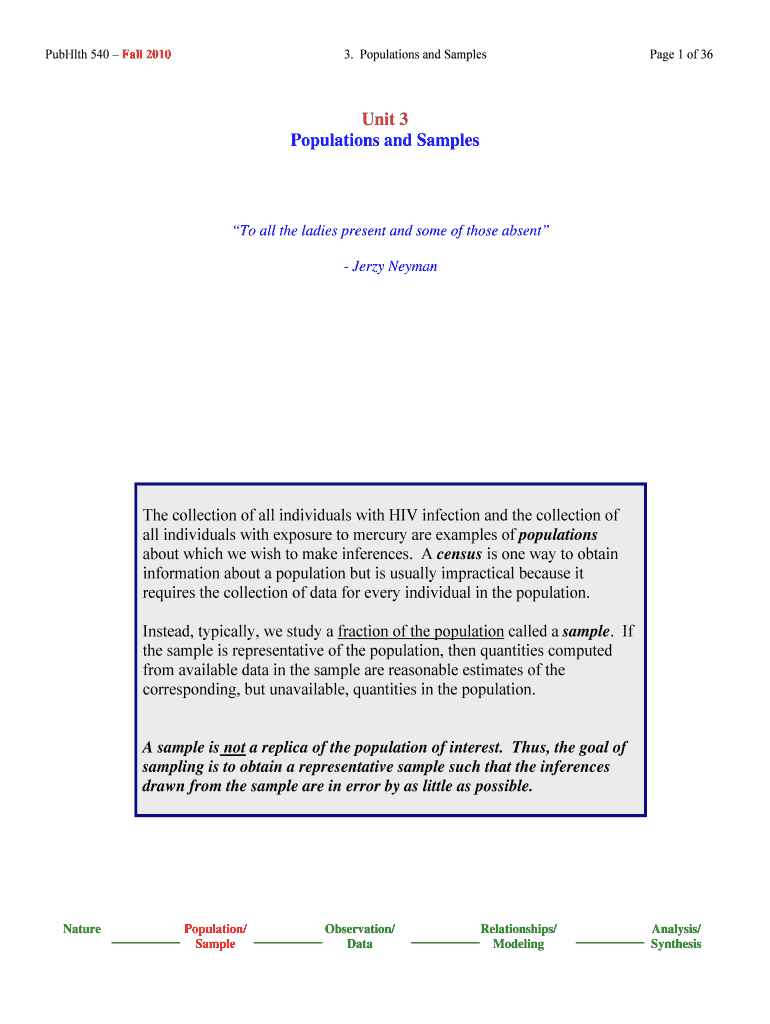







Understanding "The Collection of All Individuals with HIV Infection"
"The collection of all individuals with HIV infection" refers to a comprehensive dataset used for research, policy-making, and healthcare planning. This dataset aggregates information about individuals diagnosed with HIV, providing crucial insights into demographics, health outcomes, and trends related to the HIV epidemic.
Purpose and Importance
- To monitor the spread and control of HIV to improve public health outcomes.
- To allocate resources effectively for treatment and prevention programs.
- For research purposes, enhancing the understanding of the virus and its effects.
Data Sources
- Healthcare providers and clinics that offer testing and treatment.
- National and regional health departments collecting epidemiological data.
- Research studies focusing on HIV prevalence and incidence.
Legal and Ethical Considerations
Privacy and Confidentiality
- Ensuring strict adherence to privacy laws such as HIPAA in the U.S., which protect the identities of individuals within the dataset.
- Using de-identified data for research to minimize risks to privacy.
Informed Consent
- Participants must be informed about how their data will be used and provide consent.
- Transparency in data collection practices to maintain trust.
How to Use the Dataset Effectively
For Policy Making
- Government agencies can use the dataset to create policies aimed at reducing transmission rates.
- Allocation of funding and resources to areas with high prevalence based on data insights.
In Healthcare
- Identifying areas with treatment gaps and planning interventions.
- Tailoring community health programs to meet specific local needs.
Key Elements of the Dataset
Demographic Information
- Age, gender, and ethnicity of individuals in the dataset.
- Geographic distribution to highlight regional trends.
Health and Treatment Data
- Information about treatment regimens and their outcomes.
- Data on co-morbid conditions frequently seen in individuals with HIV.
Behavioral Risk Factors
- Data regarding behaviors that may contribute to higher transmission rates.
- Analysis of preventive measures being utilized in different communities.
Challenges and Considerations in Data Collection
Ensuring Accuracy
- Implementing standardized data collection methods to improve reliability.
- Training for healthcare providers in data entry and maintenance.
Addressing Bias
- Ensuring representation of minority and vulnerable groups in the dataset.
- Constant evaluation and adjustment of collection methods to reduce bias.
State-Specific Rules and Guidelines
Variations Across States
- Different approaches to data privacy and public health regulations.
- Divergent resource allocation based on state-specific needs and prevalence data.
Compliance
- Adherence to both federal and state regulations governing health data use.
- Regular audits to ensure compliance with changing laws and guidelines.
Practical Examples and Use Cases
Use in Research
- Studies analyzing the effectiveness of new treatments or preventive strategies.
- Research focusing on social determinants of health impacting HIV treatment outcomes.
Community-Based Programs
- Initiatives developed from data insights, like targeted testing or education campaigns.
- Implementation of support systems for individuals living with HIV.
Summary
This dataset serves as a vital tool in understanding and managing the HIV epidemic. Proper handling, ethical use, and strategic application of this information can significantly enhance efforts in healthcare delivery, research, and policy-making. By understanding these components and adhering to ethical guidelines, stakeholders can maximize the utility of this invaluable resource.