







Definition & Meaning
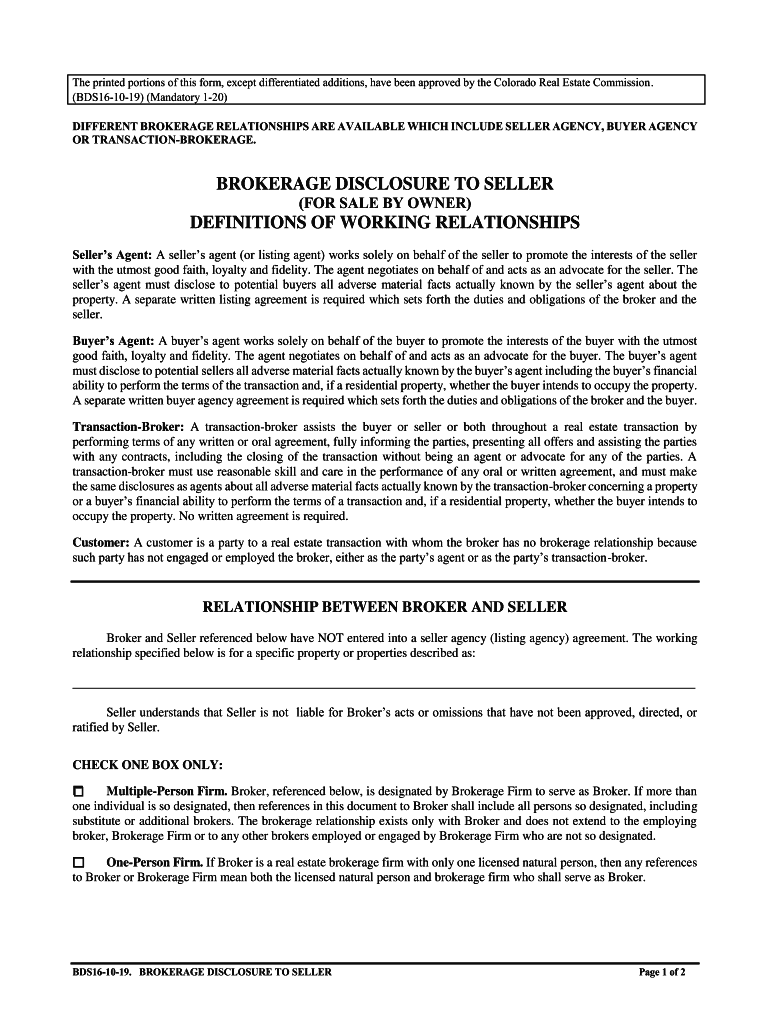
The "brokerage disclosure to buyer tenant relationship - VanEd" form is a crucial document used in real estate transactions. It serves to outline the relationship dynamics between a broker and a buyer or tenant. This form clarifies the roles and responsibilities of each party, ensuring that all participants in the real estate transaction understand the broker's duties and obligations. Its primary aim is to provide transparency and set expectations for both buyers and tenants, thereby fostering trust and reducing potential misunderstandings.
Key Elements of the Brokerage Disclosure
The form includes several vital components that detail the nature of the broker's engagement with the buyer or tenant. These include:
- Types of Brokerage Relationships: The document outlines options such as Buyer Agency, Tenant Agency, and Transaction-Brokerage, explaining the specifics of each relationship.
- Duties and Obligations: It lists the broker's responsibilities, such as exercising reasonable skill and care, promoting the interests of their client with utmost good faith, and providing material facts to the client.
- Compensation and Fees: This section addresses how the broker will be compensated—whether through commissions, fees, or other arrangements.
- Termination of Relationship: It specifies conditions under which the brokerage relationship can be terminated, ensuring clarity for all parties involved.
Steps to Complete the Brokerage Disclosure
- Obtain the Form: Begin by acquiring the form from a reliable source, such as the VanEd website or a licensed real estate agent in Colorado.
- Read Through the Document: Carefully review each section to understand the terms and conditions. This includes paying close attention to definitions of different brokerage relationships and their implications.
- Fill in Personal and Transaction Details: Input the relevant information, such as the names of the parties involved, the transaction address, and any specific broker information.
- Choose the Appropriate Relationship Type: Based on the nature of the transaction and the client's needs, select the most suitable brokerage relationship.
- Sign and Date the Document: Ensure both parties sign the form to acknowledge their understanding and acceptance of the terms.
- Retain Copies for Records: Keep a signed copy for personal records and provide copies to all involved parties for their documentation.
Legal Use of the Brokerage Disclosure
This form is legally mandated in many real estate transactions in Colorado. The Colorado Real Estate Commission approves it, and its use ensures compliance with state laws governing real estate practices. The form protects both the broker and the client by making sure that all aspects of the brokerage relationship are transparent and agreed upon by both parties. Misuse or failure to use this form can lead to legal disputes and potential penalties.
Importance of the Brokerage Disclosure
This document is essential because it mitigates risks and misunderstandings in real estate transactions. By defining each party's roles and responsibilities, the form helps prevent conflicts and lays the groundwork for a clear working relationship. It empowers buyers and tenants to make informed decisions regarding the brokerage services they receive, while also protecting brokers from unfounded claims and potential litigation.
Who Typically Uses the Brokerage Disclosure
The primary users of this form are real estate brokers, buyers, and tenants involved in property transactions. Real estate agents use it to formalize and communicate their role in the transaction process. Buyers and tenants rely on it to understand their rights and the services they can expect from their broker. In states like Colorado, this form is widely recognized and employed to maintain standardized real estate practices.


State-Specific Rules for the Brokerage Disclosure
In Colorado, the form adheres to specific state laws and regulations pertaining to real estate transactions. Brokers in Colorado are required to present this form to any buyer or tenant they represent. The form must be executed at the earliest reasonable opportunity, ideally before any specific real estate services are rendered. Compliance with these rules ensures the integrity of the real estate industry within the state and maintains the professional standards expected of licensed brokers.
Examples of Using the Brokerage Disclosure
Consider a scenario where a potential tenant is looking to rent a property through a real estate broker. The broker must provide the "brokerage disclosure to buyer tenant relationship - VanEd" form to the tenant, outlining whether they will act as a Transaction-Broker or in another capacity. In another example, a buyer seeking to purchase a home with the assistance of a broker will receive the form, detailing whether the broker will act solely in the buyer's interest or facilitate the transaction neutrally as a Transaction-Broker.




