






Understanding COGS: The Inclusion of Labels and Packaging
Cost of Goods Sold (COGS) refers to the direct costs attributable to the production of goods sold by a company. This includes materials, labor, and overhead in manufacturing or acquiring products. When it comes to labels and packaging, these elements are generally included in COGS if they are essential for the preparation of the product for sale. For example, the packaging necessary to contain and protect the product during transport would typically be considered part of COGS.
Factors Influencing COGS Classification
- Essentiality: If the packaging is required to deliver the product to the market, it can be classified under COGS.
- Customs and Branding: Labels and packaging that are customized or specific to branding may be considered in marketing expenses unless necessary for the product's delivery.
- Industry Standards: Different industries might have specific guidelines regarding what constitutes COGS.
Importance of Accurate COGS Calculation
The calculation of COGS impacts gross profit and consequently net income. Including labels and packaging in COGS can reduce the appearance of profitability but may provide a more realistic financial picture. Accurate COGS calculation is crucial for:
- Financial Reporting: Reflects true cost and profitability.
- Tax Liabilities: Affects taxable income and tax owed.
- Pricing Strategy: Ensures that product pricing covers all production costs and desired profit margins.
Steps to Determine If Labels and Packaging Are Part of COGS
- Analyze Product Necessity: Determine if the labels and packaging are essential for selling the product.
- Consult Accounting Standards: Review relevant accounting guidelines or standards for your industry.
- Review Company Policy: Check internal directives on cost categorization.
- Consult with a CPA: Seek professional advice, especially for complex scenarios.
IRS Guidelines on COGS
- IRS Definition: For tax reporting, the IRS provides clear guidelines on what can be included in COGS, such as raw materials and direct labor costs.
- Inventory Management: Proper inventory management practices must be followed to accurately determine COGS.
- Consistency: The IRS requires consistent application of COGS calculation methods from year to year.
Business Types Benefiting Most from Accurate COGS
Businesses involved in manufacturing, wholesale, or retail will benefit significantly from clear COGS accounting. For these businesses, understanding what can be included in COGS, such as labels and packaging, ensures more accurate financial reporting and tax calculations.
Common Business Scenarios
- Manufacturers: Large-scale producers often include packaging that is part and parcel of the product.
- Retailers: May include packaging as part of COGS if it is unavoidable in presenting the product for sale.
- Small Businesses: Accurate inclusion in COGS can impact cash flow planning and strategic pricing decisions.
Examples and Practical Scenarios
- Scenario One: A cosmetics company uses specialized bottles which are essential for product distribution. These are included in COGS.
- Scenario Two: A technology retailer uses branded boxes purely for marketing purposes—classified as marketing expense instead.
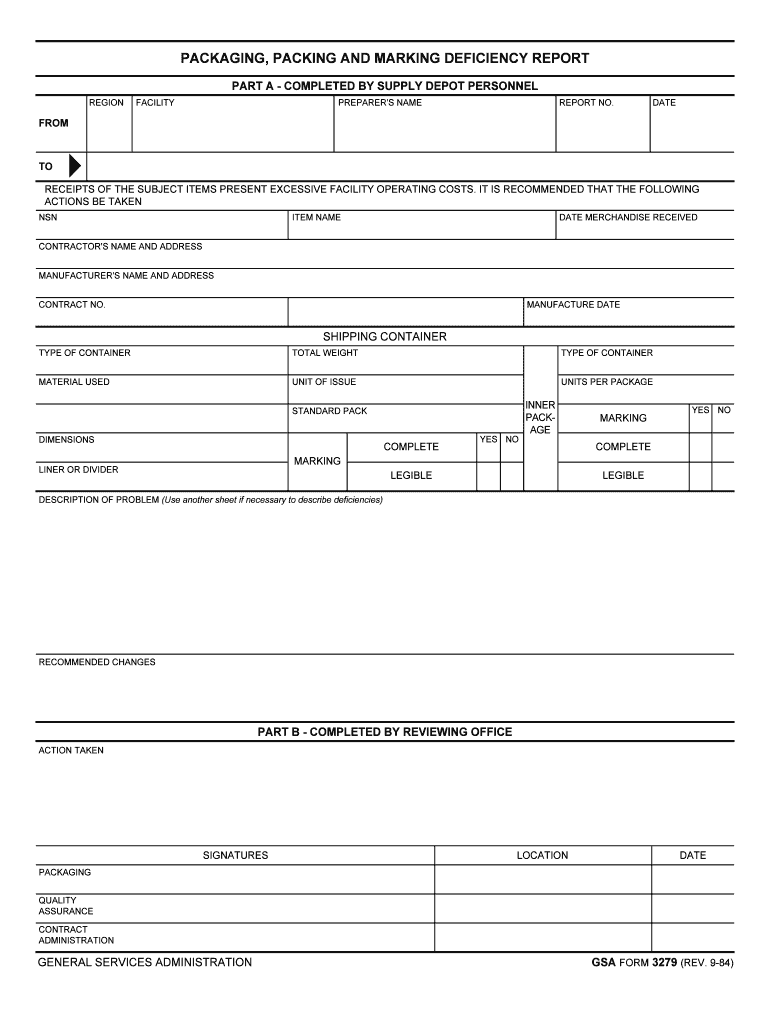
Key Elements of the Form: Are Labels and Packaging Part of COGS?
Summarizing important sections helps in understanding the practical use of this form:
- Product Specifics: Details about the product that require specific packaging or labeling.
- Cost Analysis: Break down costs associated with the packaging and determine if they are essential components.
- Review Section: A space meant for internal or external auditors to verify and validate decisions regarding COGS.
Common Terms Associated with COGS
- Direct Costs: Expenses directly tied to product creation.
- Overhead: Indirect costs that support production.
- Inventory: Goods intended for sale, which influence COGS.
- Amortization: Accounting practice that spreads out the cost implications over time, possibly affecting COGS for long-term components.
In understanding whether labels and packaging are part of COGS, considering all these detailed aspects is essential for accurate financial reporting and compliance.