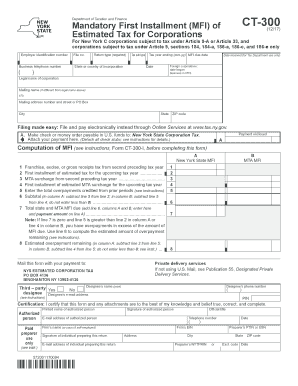
Septic Waste Hauler Manifest - Salem Oregon 2026

Get Form
Septic Waste Hauler Manifest - Salem Oregon Preview on Page 1

Here's how it works

01. Edit your form online
Type text, add images, blackout confidential details, add comments, highlights and more.

02. Sign it in a few clicks
Draw your signature, type it, upload its image, or use your mobile device as a signature pad.

03. Share your form with others
Send it via email, link, or fax. You can also download it, export it or print it out.

Definition and Meaning

The Septic Waste Hauler Manifest - Salem Oregon is a regulatory document required for the transportation of septic waste within the state. This form serves as a legal record, ensuring that waste haulers accurately report the transportation and disposal of septic waste. The manifest includes comprehensive details about the waste being hauled, such as the source, volume, and type, as well as the hauler's credentials. Ensuring a complete and legible form is paramount, as inaccuracies or omissions can result in fines or the revocation of permits. The overarching aim of this manifest is to maintain environmental standards and public health safety by closely monitoring septic waste movement.

Key Elements of the Septic Waste Hauler Manifest

The form is divided into several critical sections:

  • Hauler Information: Includes the name, license number, and contact details of the waste hauler. This information helps to verify that the hauler is authorized and properly licensed.
  • Load Source Details: Captures the origin of the septic waste, including the address and type of facility from which the waste is collected. This ensures traceability and accountability.
  • Waste Certification: Requires certification of the waste type and volume. Haulers must sign off on this section, affirming that the information is correct and compliant with state regulations.
  • Destination Information: Details the final disposal site for the septic waste. This ensures that waste is directed to approved and environmentally compliant facilities.

Steps to Complete the Septic Waste Hauler Manifest

  1. Gather Required Information: Before starting, collect all necessary details regarding the load and hauler credentials.
  2. Fill Out Hauler Information: Enter accurate data including business name, license, and contact numbers.
  3. Record Load Source Details: Note the address and source type of each waste load. Ensure this information is recorded clearly and accurately.
  4. Certify Waste Information: Document the waste type and volume, then sign to certify the data's accuracy.
  5. Specify Destination Site: Provide detailed information about the destination, ensuring compliance with disposal regulations.
  6. Review and Submit: Double-check every entry for accuracy, then submit the form as required by local regulation.

How to Obtain the Septic Waste Hauler Manifest

To access the form, waste haulers should contact local environmental agencies within Oregon. These entities offer the manifest either in print or digital format. It may also be available through local government websites dedicated to waste regulation and compliance. Ensuring you have the latest version of the form is crucial, as regulatory requirements may change over time.

Legal Use of the Septic Waste Hauler Manifest

This manifest serves as a legal document in Salem, Oregon, keeping waste hauling operations within the bounds of state law. Its completion is mandatory for waste haulers, acting as a certification of the legitimacy and adherence to both state and federal environmental standards. The form also contributes to the documentation necessary for inspections or audits by regulatory authorities.

State-Specific Rules for the Septic Waste Hauler Manifest

Oregon state regulations mandate the use of this manifest for all entities involved in septic waste transportation. Unlike some states with less rigorous tracking, Oregon's requirements include detailed reporting to counteract illegal dumping and to safeguard natural resources. Waste haulers in Salem need to comply with additional local guidelines, which align with state-wide statutes.

Examples of Using the Septic Waste Hauler Manifest

  • Scenario 1: A waste management company collects septic waste from multiple homeowners and needs to log each load source with precision to maintain compliance.
  • Scenario 2: A construction firm involved in site cleanup uses the manifest to document the transportation of mixed construction waste, which includes septic debris.
  • Scenario 3: During an environmental audit, a hauler presents past manifests as proof of regulatory adherence, demonstrating consistency and accuracy over time.

Penalties for Non-Compliance

Failure to complete the Septic Waste Hauler Manifest accurately and in a timely manner can result in severe penalties. These include fines imposed by state regulatory agencies and possible suspension or revocation of hauling permits. In some cases, persistent non-compliance can lead to legal action, further emphasizing the importance of precision and adherence to mandated procedures.

Business Types That Benefit Most from the Manifest

  • Waste Management Companies: Essential for tracking and reporting waste disposal activities.
  • Construction Firms: Particularly when engaging in site cleanup or renovation projects involving waste transport.
  • Environmental Services: Companies focused on environmental protection and waste treatment can utilize the manifest to support their compliance and reporting frameworks.

Digital vs. Paper Version

Waste haulers in Salem have the option to use either digital or paper versions of the manifest. Digital forms simplify record-keeping and can be integrated into document management systems like DocHub. These electronic versions offer enhancements such as easy sharing, real-time updates, and secure storage. On the other hand, some operations may still prefer paper forms for their accessibility and simplicity, especially in areas with limited technology infrastructure.

be ready to get more

Complete this form in 5 minutes or less

Get form

Got questions?

We have answers to the most popular questions from our customers. If you can't find an answer to your question, please contact us.
Contact us
Most states mandate that a septic tank servicer, septic pump operator, or other septic labor provider earn a license. These qualifications usually require taking a class on the safe and hygienic handling of a septic pump and other equipment.
Thats a sewage truck! These behemoths are specifically engineered to collect, transport, and dispose of sewage and wastewater from various sources, including sewers, septic tanks, and industrial facilities.
In some cases, the septic contents are taken to waste treatment plants and added to the stew piped in from a municipal sewer system or delivered to independent, for-profit companies specializing in the treatment of septage. Septage may also be dumped in approved landfills. How often are septic tanks emptied, and where do the contents go HowStuffWorks septic-tank-cleaning HowStuffWorks septic-tank-cleaning
Here is our list of things not to put in your septic tank: Drain Cleaners Other Chemicals. Flushable Wipes. Grease, Fat Oil. Cat Litter. Medications. Food Waste. Trash.
An average septic pumping job costs between $400-$500, depending on the size of the system and other factors. With this in mind, an owner of a septic pumping business can expect to make thousands each year by providing their services to customers.

Security and compliance

At DocHub, your data security is our priority. We follow HIPAA, SOC2, GDPR, and other standards, so you can work on your documents with confidence.
Learn more
ccpa2
pci-dss
gdpr-compliance
hipaa
soc-compliance
be ready to get more

Complete this form in 5 minutes or less

Get form

People also ask

A sewage pumping vehicle removes waste from both underground wastewater treatment structures known as septic systems and chemical toilets also known as portable toilets. Sewage pumping vehicles then transport wastewater to an approved sewage treatment plant. Sewage Pumping Vehicles and Chemical Toilets in Los Angeles LA County Public Health - COUNTY OF LOS ANGELES business sewag LA County Public Health - COUNTY OF LOS ANGELES business sewag

Related links