01. Edit your tax residency certificate malta online
Type text, add images, blackout confidential details, add comments, highlights and more.


Type text, add images, blackout confidential details, add comments, highlights and more.

Draw your signature, type it, upload its image, or use your mobile device as a signature pad.

Send request for certificate of tax residency malta via email, link, or fax. You can also download it, export it or print it out.
The Tax Residence Certificate Malta, often referred to as "tax residence certificate," is an official document issued by the Inland Revenue Department in Malta. This certificate establishes an individual's or entity's tax residency status in Malta, allowing them to benefit from tax treaties and avoid double taxation. The document serves as proof that the holder is a resident taxpayer in Malta for the relevant tax year. This certification is essential for both individuals and businesses to confirm their tax obligations and rights under Maltese and international tax laws.
The tax residence certificate is utilized primarily by taxpayers to claim benefits under Malta's double tax treaties with other countries. This certificate can be presented to foreign tax authorities to demonstrate the individual's or business entity's tax residency in Malta. It helps prevent the holder from being taxed on the same income in both Malta and another jurisdiction. This is crucial for expatriates and businesses operating across borders to ensure compliance with international tax regulations. Employers may require this certificate to accurately calculate an individual's tax liabilities, particularly for those working in multiple countries.
Gather Necessary Information: Collect personal or business details, including your full name, address, identification numbers, and contact information.
Complete Required Sections: Fill out all sections of the form, such as personal details, taxation period for which certification is required, and declaration of residency status.
Attach Supporting Documents: Include supporting documentation like proof of residency, copy of the passport, and evidence of income.
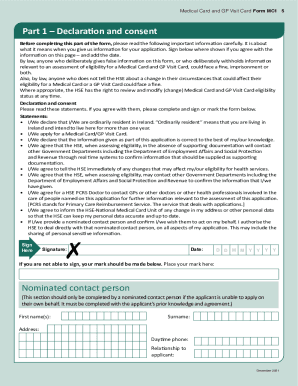
Sign the Form: Ensure that the form is signed either by the applicant or an authorized representative. This signature verifies the accuracy of the provided information.
Submit the Form: Send the completed form to the Inland Revenue Department either via online submission platform, by mail, or in person at their office.
Await Confirmation: The approval process may vary, so it's important to wait for confirmation or request updates if necessary.
When applying for a tax residence certificate in Malta, several documents must be provided to support your application:
These documents collectively affirm the applicant's claims regarding their residency and income sources.
The tax residence certificate's legal utility lies in ensuring compliance with bilateral double taxation agreements. By confirming residency status, the certificate helps in avoiding legal issues related to tax evasion or incorrect tax filing. Legally, it is recognized internationally and must be renewed periodically, depending on individual circumstances. Businesses, particularly multinational corporations, must correctly use this certificate to ensure adherence to international tax laws and to leverage treaty benefits legally.
This detailed information ensures that the certificate clearly defines and confirms tax residency for all relevant purposes.
The tax residence certificate is primarily used by:
Each group leverages this certificate to benefit from Malta’s tax treaties and correctly address their tax responsibilities.


Applying for the tax residence certificate in Malta involves completing the RCTR02 form. The process is generally straightforward but involves interpretation of Maltese tax laws and treaty provisions:
Application Submission: Submit the completed form along with required documents to the Inland Revenue Department.
Review Period: The department assesses the application, reviewing all submitted documents for authenticity and completeness.
Notification of Decision: Applicants are informed of the approval or rejection, with reasons given for any denial.
Duration: The entire process may take several weeks to a few months, depending on the complexity of the application and department workload.
Understanding these steps helps applicants prepare effectively and anticipate the time involved in obtaining the certificate.
At DocHub, your data security is our priority. We follow HIPAA, SOC2, GDPR, and other standards, so you can work on your documents with confidence.