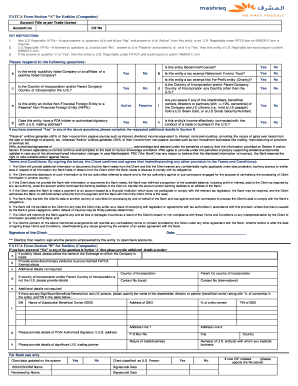
Definition & Meaning
A vetting form is a structured document utilized to conduct background checks and verify the credentials of individuals applying for specific roles or positions. This form typically collects personal information such as full name, date of birth, residential addresses, and criminal history. The primary aim of a vetting form is to ensure the suitability of applicants by assessing their background and integrity. This process is often employed in sensitive roles where trust and adherence to ethical standards are crucial.
Examples in Context
- Employment Screening: Many companies utilize vetting forms as part of their hiring process to verify an applicant’s history and qualifications.
- Volunteer Organizations: Non-profit organizations often require vetting forms to ensure the safety and reliability of their volunteers.
- Industry-Specific Roles: Positions in finance or law enforcement may have stringent vetting processes to adhere to regulatory standards.
How to Use the Vetting Form
Completing a vetting form involves providing accurate and detailed personal information. It’s critical that applicants fill out each section thoroughly, as missing information can delay or nullify the vetting process. Here are the typical steps to use a vetting form:
- Careful Reading: Begin by thoroughly reading the instructions and requirements stated in the form.
- Gather Necessary Information: Prepare all necessary personal details, such as identification documents and past addresses, before filling out the form.
- Accurate Reporting: Accurately enter your information. Double-check to ensure every detail is correct and up to date.
- Submission: Submit the form according to the specified method, which could be either online or via mail, depending on the issuer's instructions.
Practical Tips
- Use Block Capitals: Writing in block capitals can enhance legibility, especially for handwritten submissions.
- Double-Check for Completeness: Ensure that no sections are left incomplete to avoid processing delays.
Steps to Complete the Vetting Form
Completing a vetting form involves several steps, requiring attention to detail to ensure accurate and complete information is submitted:
- Personal Details: Enter your full legal name, date of birth, and current address.
- Historical Addresses: Provide all residential addresses for the past five years, ensuring each is accurately recorded.
- Criminal Background: Disclose any criminal convictions or pending charges truthfully.
- References: Include names and contact details of professional or personal references, if required.
Detailed Breakdown
- Identification Verification: Attach or include copies of government-issued identification to verify your identity.
- Declaration: Sign and date any declarations or consent sections to authorize background checks.
Key Elements of the Vetting Form
The vetting form is composed of several key elements designed to gather comprehensive information about the applicant. Each element serves a specific purpose in assessing the applicant’s background:
- Identification Information: Includes full name, other used names, and date of birth.
- Address History: Provides a record of past and current residential locations to track mobility and associations.
- Criminal Records: Requires full disclosure of any criminal history to assess any potential risks.
- Professional References: Gathering external attestations of character and competence.
Legal Use of the Vetting Form
In the U.S., vetting forms are used pursuant to legal requirements for conducting background checks and due diligence for various roles:
- Compliance with Regulations: Many industries have regulatory bodies mandating background checks for compliance.
- Data Protection Laws: Organizations must adhere to data protection laws like GDPR when handling personal data provided on vetting forms.
- Consent for Background Checks: Applicants generally must provide consent for the release and review of personal information during the vetting process.
Important Terms Related to Vetting Form
Understanding key terms related to a vetting form can clarify the process and legal implications:
- Vetting: Refers to the thorough examination of a person’s background and qualifications.
- Background Check: A process to investigate personal and professional history.
- Due Diligence: The reasonable steps taken by an organization to confirm the accuracy of submitted information.
Who Typically Uses the Vetting Form
Vetting forms are utilized by various entities to ensure that individuals meet specific trust and safety criteria:
- Employers: Across multiple industries, employers use vetting forms during hiring to ensure potential employees meet job requirements.
- Voluntary Organizations: Groups that work with vulnerable populations might use vetting forms to verify the suitability of volunteers.
- Professional Associations: Membership-based groups may require vetting forms to ensure members adhere to professional standards.


State-Specific Rules for the Vetting Form
Vetting processes may differ between states due to varying legal requirements and practices:
- Background Check Regulations: States like California have specific regulations regarding employer-conducted background checks and disclosures.
- Criminal Record Disclosures: Certain states regulate how and when criminal records can be considered in employment decisions.
- Data Privacy Laws: States such as New York enforce strict rules about the storage and use of personal data obtained through vetting forms.