Infection Control Risk Assessment Matrix of Precautions for bb 2026

Get Form
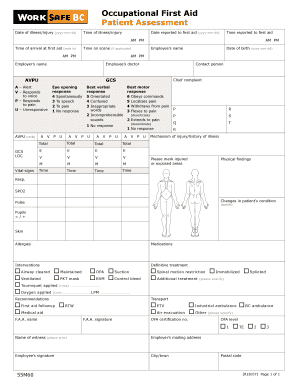
Infection Control Risk Assessment Matrix of Precautions for bb Preview on Page 1

Here's how it works

01. Edit your form online
Type text, add images, blackout confidential details, add comments, highlights and more.

02. Sign it in a few clicks
Draw your signature, type it, upload its image, or use your mobile device as a signature pad.

03. Share your form with others
Send it via email, link, or fax. You can also download it, export it or print it out.

Definition & Meaning

The "Infection Control Risk Assessment Matrix of Precautions for bb" is a structured tool used primarily in healthcare settings to evaluate and manage infection control risks associated with construction and renovation activities. It classifies construction activities based on their potential to generate dust and affect patient safety. This matrix also identifies corresponding risk groups ranging from low to highest risk. The goal of this matrix is to provide a clear framework that guides healthcare facilities in implementing the necessary precautions to minimize infection risks. Understanding and applying this matrix is critical for maintaining patient safety and ensuring compliance with health regulations.

Key Elements of the Infection Control Risk Assessment Matrix of Precautions for bb

The matrix involves several key elements that must be considered:

  • Construction Activity Types: Activities are categorized into types A through D, with each type signifying the level of disruption it may cause.
  • Patient Risk Groups: Patients are classified into different risk groups (Low, Medium, High, Highest) based on their susceptibility to infection.
  • Precautionary Measures: For each combination of construction type and patient risk group, specific infection control measures are prescribed.
  • Environmental Controls: These include maintaining negative air pressure and isolating work areas to limit the spread of airborne contaminants.

Understanding these elements is crucial to effectively using the matrix in real-world scenarios.

How to Use the Infection Control Risk Assessment Matrix of Precautions for bb

Using the matrix involves several steps:

  1. Identify the Construction Activity Type: Classify the construction activity according to the matrix’s predefined categories (A to D).
  2. Determine the Patient Risk Group: Assess the patients in the area of construction and categorize them based on their risk level.
  3. Apply Appropriate Precautions: Implement the recommended precautions for the identified activity and risk category. This may include dust containment, personal protective equipment, and environmental monitoring.
  4. Monitor and Evaluate: Continuously monitor the effectiveness of the implemented measures and adjust as necessary to maintain safety.

This systematic approach ensures that risks are managed in a consistent and effective manner.

Why You Should Use the Infection Control Risk Assessment Matrix of Precautions for bb

Utilizing this matrix is essential for several reasons:

  • Patient Safety: Protects vulnerable patients from infections due to construction-related disturbances.
  • Regulatory Compliance: Assists healthcare facilities in meeting legal requirements for infection control.
  • Risk Management: Provides a structured approach to identify and mitigate potential risks in a proactive manner.

The use of this matrix is vital to ensure a safe healthcare environment during renovation or construction activities.

Steps to Complete the Infection Control Risk Assessment Matrix of Precautions for bb

Completing the matrix effectively involves specific steps:

  1. Gather Information: Collect data on the construction project and patient demographics.
  2. Categorize Activities and Risks: Use the matrix to categorize the construction type and patient risk levels.
  3. Document Findings: Record the identified risks and the corresponding precautions for transparency and accountability.
  4. Implement Controls: Put in place the necessary infection control measures as guided by the matrix.
  5. Review and Update: Regularly review the effectiveness of the measures and update the plan as the project progresses.

Completing these steps ensures a thorough assessment and preparation for any construction-related risks.

Who Typically Uses the Infection Control Risk Assessment Matrix of Precautions for bb

The matrix is primarily used by:

  • Healthcare Facility Managers: Responsible for overseeing construction projects and ensuring compliance with health regulations.
  • Infection Control Teams: Tasked with minimizing infection risks during construction activities.
  • Construction Project Managers: Ensure that construction activities do not compromise patient safety.
  • Healthcare Staff: Including nurses and doctors who need to be aware of potential risks and appropriate precautions.

These stakeholders work in concert to maintain a safe environment during construction activities in healthcare settings.


decoration image ratings of Dochub

Examples of Using the Infection Control Risk Assessment Matrix of Precautions for bb

Consider a scenario where a hospital is renovating its intensive care unit (ICU):

  • Type of Activity: The removal of existing flooring is categorized as a Type B activity due to moderate dust generation.
  • Patient Risk Group: ICU patients are classified as "Highest" risk due to their critical health conditions.
  • Precautionary Measures: The matrix suggests stringent dust control measures, including complete isolation of the work area and HEPA filtration.

This example illustrates the matrix’s practical application in real-world construction scenarios.

Legal Use of the Infection Control Risk Assessment Matrix of Precautions for bb

The matrix must be used in compliance with legal standards:

  • Federal Regulations: Aligns with guidelines set by bodies like the OSHA and CDC to ensure high safety standards.
  • State-Specific Requirements: Some states may have additional standards or protocols that complement the matrix.

Adhering to these regulations not only protects patients but also safeguards healthcare facilities from potential legal issues.

Important Terms Related to the Infection Control Risk Assessment Matrix of Precautions for bb

Understanding key terms is essential for effective use of the matrix:

  • Isolation: Physically separating the construction area from patient areas to prevent contamination.
  • Negative Air Pressure: An environmental control strategy that prevents dust from leaving the construction area.
  • HEPA Filtration: High-efficiency particulate air filtration used to remove airborne particles from the air within and around construction zones.

These terms are critical for interpreting the matrix and applying its guidelines effectively in healthcare settings.

be ready to get more

Complete this form in 5 minutes or less

Get form

Got questions?

We have answers to the most popular questions from our customers. If you can't find an answer to your question, please contact us.
Contact us
Wash your hands often, especially: After using the bathroom. Before preparing food or eating. After changing diapers. After blowing your nose and/or using hands when sneezing or coughing. After caring for a sick person. After playing with or handling your pet.
These precautions include the use of personal protective equipment that serve as barriers to protect against contact with infectious materials. Standard Precautions. Contact Precautions. Droplet Precautions. Airborne Precautions. Full Barrier Precautions.
An infection control risk assessment (ICRA) is a systematic process that determines level of risk to patients and defines controls to reduce risk. The purpose of the risk assessment is to identify the effects of the construction or renovation activities on air and water quality.
There are 10 elements of SICPs: patient placement/assessment of infection risk. hand hygiene. respiratory and cough hygiene. personal protective equipment. safe management of the care environment. safe management of care equipment. safe management of healthcare linen. safe management of blood and body fluids.
The Infection Control Team will quantify the infection control risk criteria and ascertain the associated risk, which will determine the appropriate action to be taken. Four infection risk categories can be identified: Red -High Risk, Orange -Moderate Risk, Yellow -Low Risk, Green -Very Low Risk.

Security and compliance

At DocHub, your data security is our priority. We follow HIPAA, SOC2, GDPR, and other standards, so you can work on your documents with confidence.
Learn more
ccpa2
pci-dss
gdpr-compliance
hipaa
soc-compliance

People also ask

Standard Precautions comprise the following measures: Hand Hygiene. Respiratory Hygiene (Cough Etiquette) Personal Protective Equipment (PPE) Aseptic Technique. Needle-stick and Sharps Injury Prevention. Cleaning and Disinfection. Waste Disposal.

Related links