






Understanding "The Mental Health of Adolescents"
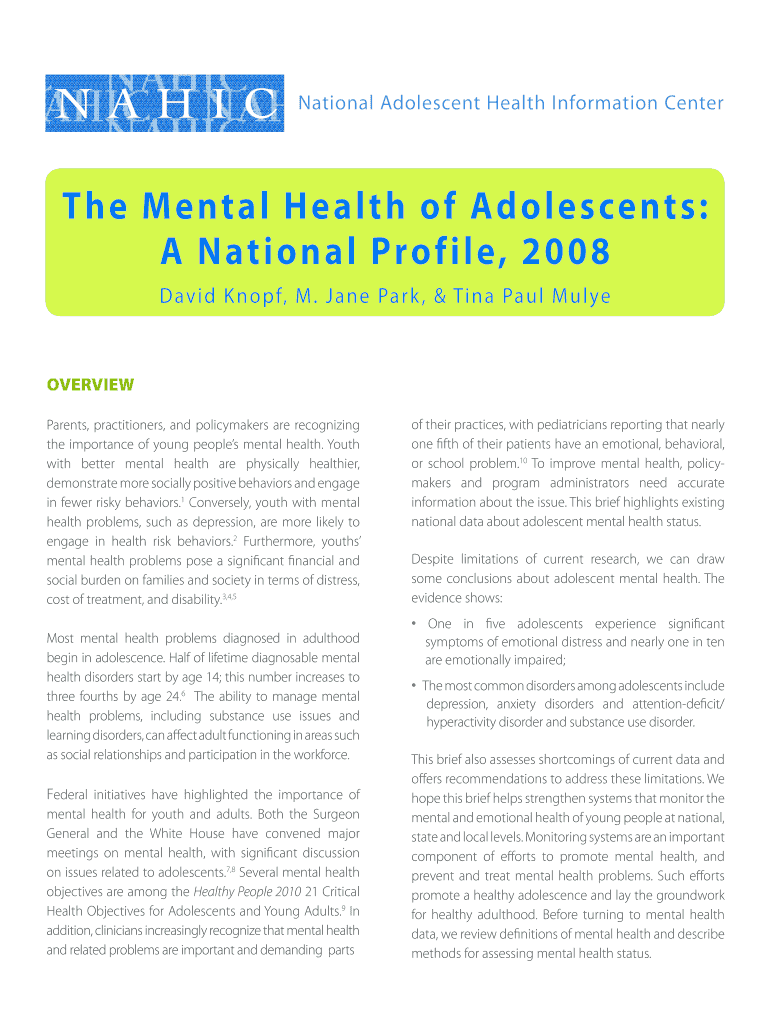
The examination of adolescent mental health delves into a critical public health issue affecting many young individuals in the United States. Adolescence is a pivotal developmental stage often marked by emotional and psychological challenges. Current research indicates that one in five adolescents experiences significant emotional distress, including common disorders such as depression, anxiety, and ADHD. Understanding these issues in depth is crucial as they have lasting implications on physical health and social behaviors.
Definition and Importance
The term "The Mental Health of Adolescents" encompasses the psychological well-being and emotional resilience of young individuals typically between the ages of 10 and 19. This phase is characterized by rapid growth, both physically and mentally, making adolescents uniquely vulnerable to mental health disorders. Effective monitoring and improvement of adolescent mental health are essential to mitigate negative outcomes during adulthood. Social environments, family dynamics, and access to mental health services all play a significant role in shaping an adolescent's mental health profile.
Key Elements of Adolescent Mental Health
Understanding the various components of mental health in adolescents is vital for identifying and addressing potential issues. The range of disorders and factors includes:
- Depression and Anxiety: These conditions often manifest as persistent sadness, irritability, and excessive worry that can hinder an adolescent’s daily functioning.
- Attention-Deficit/Hyperactivity Disorder (ADHD): This affects attention regulation, impulsivity, and hyperactivity, impacting academic and social performance.
- Social Challenges: Adolescents often face bullying, peer pressure, and social isolation, which can exacerbate mental health issues.
- Biological Factors: Hormonal changes and genetic predispositions significantly influence the mental health of adolescents.
Disparities in Access to Care
One crucial aspect of adolescent mental health is the disparity in access to mental health services. Adolescents from marginalized or lower socioeconomic backgrounds often have limited access to quality care. This lack of access results in underdiagnosed and untreated mental health conditions, perpetuating a cycle of disadvantage. Community-based interventions and policies aimed at improving access to care can help address these disparities, highlighting the importance of culturally and contextually sensitive approaches.
Important Terms and Concepts
Navigating the field of adolescent mental health involves familiarizing oneself with several key terms and concepts:
- Emotional Distress: A broad term encompassing various forms of emotional suffering, often measured by symptoms of mood disorders.
- Cognitive Behavioral Therapy (CBT): A common therapeutic approach used to treat disorders such as depression and anxiety.
- Protective Factors: Elements like supportive family environments and school engagement that can shield adolescents from developing mental health issues.
- Risk Factors: Variables such as family history of mental illness or substance abuse that increase the likelihood of mental health problems.
Implications of Adolescent Mental Health Disorders
The mental health of adolescents has profound implications on broader developmental outcomes. Unaddressed mental health conditions often lead to reduced educational attainments, strained social relationships, and increased risk of substance abuse. These issues further extend into adulthood, affecting employment, quality of life, and overall societal productivity.
Legal and Ethical Considerations
Adolescent mental health is surrounded by numerous legal and ethical considerations to ensure that interventions are both effective and respectful of individual rights.
Confidentiality and Consent
In the U.S., specific regulations govern the confidentiality of adolescent mental health treatment. Healthcare providers are required to balance patient confidentiality with parental involvement, considering the adolescent's age and maturity. The ability to consent to treatment independently varies by state, which must be understood within its legal framework.
Practical Applications and Real-World Scenarios
Analyzing real-world scenarios can provide valuable insights into how adolescent mental health issues manifest and are addressed:
- Educational Support: Schools serve as essential touchpoints for identifying and supporting adolescents with mental health challenges. Counseling services and dedicated programs can help students cope and thrive academically.
- Community Initiatives: Grassroots programs that involve families and local leaders in promoting mental health awareness are vital in creating supportive environments for adolescents.
Addressing Challenges and Opportunities
The mental health landscape for adolescents presents several challenges, including stigmatization and the need for holistic care models. However, advancements in telehealth and digital interventions present new opportunities for reaching underserved populations. By fostering an inclusive and compassionate approach, stakeholders can better support the mental health of adolescents.