Definition and Meaning
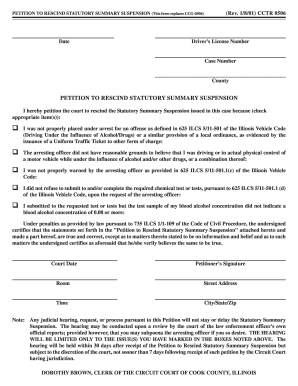
A "waiver of lien to date" is a legal document primarily used in the construction industry. It serves as an acknowledgment by a subcontractor, supplier, or contractor that they relinquish their right to file a lien against a property for payment received up to a specified date. This type of waiver is integral in ensuring that property owners and general contractors are protected from unexpected lien claims once a payment is made. It's crucial for upholding transparency in financial transactions associated with property development projects. A waiver of lien to date typically includes details like the project name, location, payment amount, and the date up to which the waiver is effective.
How to Use the Waiver of Lien to Date
The process of utilizing a waiver of lien to date involves several steps to ensure all parties involved are aligned. Here’s how it can be implemented effectively:
- Confirm the Scope: Review the payment details and project scope to ensure all work covered by the payment is accurately represented in the waiver.
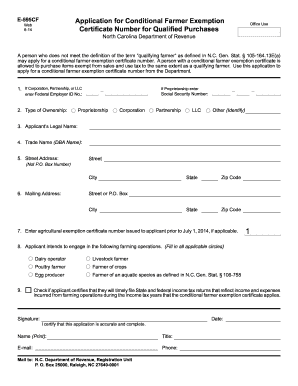
- Prepare the Document: Utilize a structured template that includes all necessary elements such as names of involved parties, the total payment amount, description of the work completed, and documents or affidavits validating the waiver.
- Verification: All details should be verified for accuracy. This includes payment confirmation and any previous liens waived.
- Execution: Both the subcontractor or supplier and a notary public must sign the document. In some cases, the general contractor may also be required to sign.
Steps to Complete the Waiver of Lien to Date
Completing a waiver of lien to date requires careful attention to detail to protect all parties effectively:
- Identify Parties Involved: Clearly list the names and contact details of the subcontractor, contractor, and property owner, ensuring there’s no room for error.
- Detail the Scope of Work: Provide a comprehensive description of the services or materials provided.
- Specify the Waiver Date: Inform the exact cut-off date for the lien waiver, ensuring it aligns with the payment cycle.
- Notarize the Waiver: Finalize the document with a notarized signature from the subcontractor or supplier, which is crucial for legal enforcement.
- File and Share: Maintain copies of the signed waiver for record-keeping and share with all involved parties for transparency.
Who Typically Uses the Waiver of Lien to Date
This document is widely used by various stakeholders in the construction sector:
- Subcontractors: To confirm they have been paid for their services and waive their right to file a lien up to a specified date.
- Suppliers: To ensure materials supplied are covered under the payment received.
- Property Owners: To protect against future lien claims after making payments to contractors or suppliers.
- General Contractors: To ensure that all project participants have properly relinquished their right to a lien for services or materials provided to date.


Key Elements of the Waiver of Lien to Date
Several critical elements comprise a waiver of lien to date, ensuring its validity and enforceability:
- Project Details: Includes the project name, location, and a brief description.
- Payment Information: The exact amount of payment received and due up to the waiver date.
- Service or Materials Description: Comprehensive list and description of the work performed or materials supplied.
- Affidavit: A sworn statement asserting there are no outstanding dues for the covered services or materials.
- Signatures: Legal signatures from the subcontractor and notarization to affirm the document’s authenticity.
State-Specific Rules for the Waiver of Lien to Date
Lien waiver regulations can vary significantly by state, impacting how these documents are drafted and enforced:
- California: Requires explicit statutory language to be included for the waiver to be valid.
- Texas: Necessitates that the waiver must be conditional until actual payment is received.
- New York: Mandates clear notarization and sometimes additional certification based on the project size and type.
Examples of Using the Waiver of Lien to Date
Real-world scenarios illustrate the practical applications of a waiver of lien to date:
- Residential Construction: A subcontractor for a residential renovation issues a waiver upon receiving payment for work completed in the previous month.
- Commercial Projects: A supplier delivering building materials such as steel beams issues a waiver once the general contractor confirms receipt of payment.
- Infrastructure Developments: For large-scale public work, contractors might waive liens in phases as parts of the infrastructure meet the payment milestones.
Legal Use of the Waiver of Lien to Date
The legal foundation of a waiver of lien to date rests on a few critical principles:
- Enforcement: Once notarized, the waiver serves as a binding document that can be used in legal settings to dispute claims of unpaid dues.
- Conditional Nature: In many jurisdictions, waiver validity is predicated on the condition that payment is received, bolstering legal protections for contractors.
- Documentation: Comprehensive documentation is key, capturing every aspect of the agreement to preemptively address potential disputes over payment timelines or amounts.
By meticulously managing these aspects, the waiver of lien to date becomes a powerful tool in safeguarding financial interests and maintaining transparency across construction projects.