






Definition & Meaning
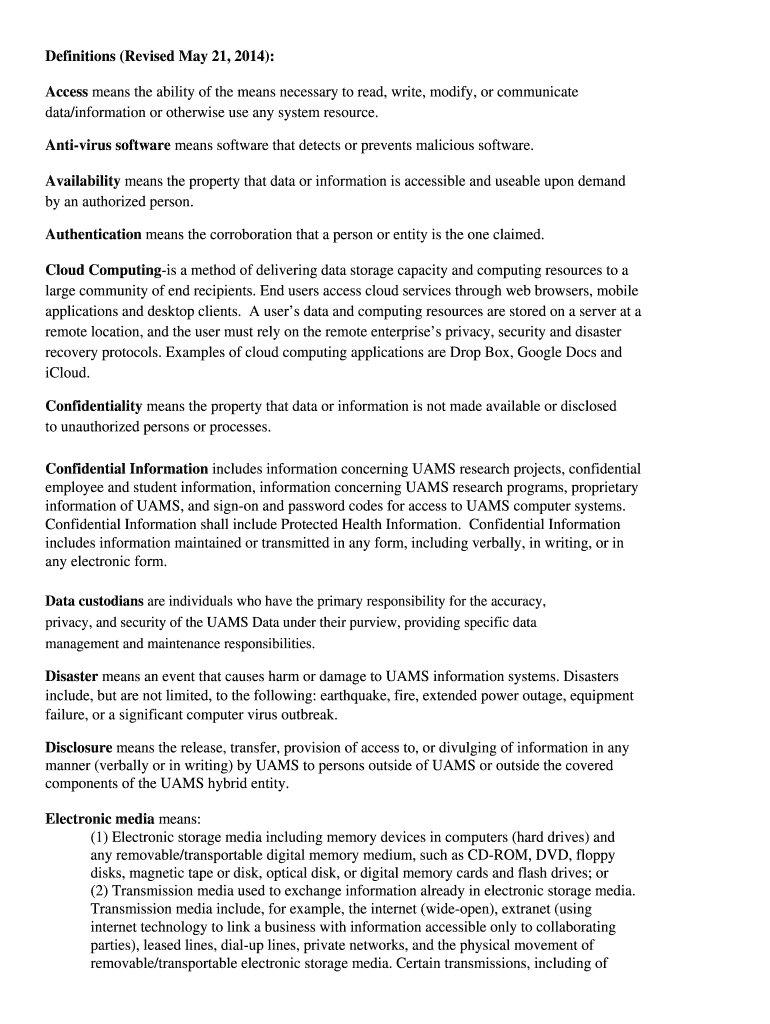
Access means the ability of the means necessary to read, write, modify, or communicate refers to the capacity and tools required to interact with digital or physical documents. This encompasses a range of activities, including reading text files, modifying spreadsheets, communicating changes via emails, and writing new information into databases. The definition underscores the importance of having not just permission but also the capability and necessary tools to perform these actions effectively.
Examples in Practice
- Reading: Gaining access to a PDF document stored on a cloud service.
- Writing: Inputting data into an online form through a web application.
- Modifying: Editing the content of a Microsoft Word document.
- Communicating: Sharing a modified file via email with colleagues for review.
How to Use Access Means the Ability of the Means Necessary to Read, Write, Modify, or Communicate
To effectively utilize this access, follow these steps:
-
Identify the Tools: Determine the tools required for accessing and manipulating the document. Common tools include text editors for writing, spreadsheets for modifying numerical data, and email clients for communication.
-
Verify Permissions: Ensure that necessary permissions are in place. This may involve user authentication processes, such as passwords or multi-factor authentication.
-
Utilize Compatible Software: Use software compatible with the document formats in question. Make sure applications like DocHub can handle file types such as PDFs, DOCs, and TXTs.
-
Perform Actions: Execute the desired actions—read the document, make necessary modifications, and communicate or share changes with others involved.
Practical Tips
- Remote Access: Leverage mobile devices or cloud-based platforms to access documents on-the-go.
- Collaboration Tools: Use shared drives or platforms like DocHub for collaborative access and real-time updates.
Key Elements of the Access Means the Ability of the Means Necessary to Read, Write, Modify, or Communicate
Effective access involves several critical elements:
- Technical Infrastructure: Includes servers, databases, and network connections that facilitate document access and interaction.
- Software Compatibility: Ensures that documents can be accessed and modified using available software tools.
- Security Measures: Implement encryption and authentication protocols to protect sensitive documents.
- User Permissions: Define specific levels of access—read-only, write, modify—to control user interactions with documents.
Legally Binding Electronic Signatures
Electronic signatures are an integral aspect when considering access dynamics. They ensure that signed documents are legally recognized, adhering to regulations like the ESIGN Act in the U.S.
Signature Methods
- Mouse/Trackpad: Create a signature using a digital device.
- Typed Signatures: Type your name and choose a font style for official purposes.
- Image Upload: Use an image of a handwritten signature for authenticity.
Use in Document Workflow
- Validate modifications made to documents.
- Provide proof of consent and agreement when sharing files with collaborators.
Who Typically Uses Access Means the Ability of the Means Necessary to Read, Write, Modify, or Communicate
This capability is essential across various professional and personal contexts:
- Business Professionals: Engage in creating, editing, and distributing reports and proposals.
- Legal Teams: Handle contracts, legal documents, and correspondence requiring accurate record-keeping.
- Educators: Supplement teaching materials through editing and sharing educational documents.
- IT Departments: Manage technical documentation, user manuals, and software codebases.
Important Terms Related to Access Means the Ability of the Means Necessary to Read, Write, Modify, or Communicate
Understanding related terminology can enhance comprehension and utility:
- Authentication: The process of verifying user identity to provide controlled access.
- Encryption: Technique for securing data to prevent unauthorized access.
- Cloud Storage: Online storage space for hosting and retrieving documents remotely.
- Version Control: System for tracking changes and ensuring document updates are synchronized among collaborators.
Software Compatibility (TurboTax, QuickBooks, etc.)
Accessing and interacting with documents require compatible software applications:
- DocHub: Supports multiple file formats, including PDFs, DOCs, and TXTs.
- Spreadsheet Software: Excel for complex data modifications.
- Tax Software: Tools like TurboTax streamline the filing of digital tax documents, supporting necessary access and modifications.
Common Applications
- QuickBooks: Used by accountants for accessing and modifying financial documents.
- Google Workspace: Enables seamless integration with cloud-based documents, facilitating access and communication.
Digital vs. Paper Version
Documents can be accessed and managed in both digital and paper forms, with digital offering more flexibility:
- Digital Version: Allows for remote access, easier modification, and environment-friendly options.
- Paper Version: Physical handling, useful for legal or archival purposes where digital access isn't feasible.
Advantages of Digital Access
- Efficiency: Faster processing of changes and easier sharing.
- Space-Saving: Reduces the need for physical storage.
- Security: Enhanced protection through encryption on digital platforms.