Understanding Clinical Psychology at UAA Alaska
The Master of Science in Clinical Psychology at the University of Alaska Anchorage (UAA) is a specialized program aimed at training students to become proficient practitioner-scientists. This program emphasizes addressing mental health needs in culturally sensitive ways. The program's design integrates practical and theoretical knowledge to prepare graduate students for diverse roles in the field of clinical psychology.
How to Apply to the UAA Clinical Psychology Program
Applying to the UAA Clinical Psychology program involves several critical steps. Prospective students must first meet the prerequisites, which typically include holding a bachelor's degree in psychology or a related field. It is essential to prepare application materials such as transcripts, a personal statement, and letters of recommendation. In some cases, GRE scores may also be required. Application deadlines vary, so it is vital to check the current admissions calendar.
Steps to Complete the Clinical Psychology Program at UAA
Completing the Clinical Psychology program at UAA requires dedication and adherence to the curriculum structure. Students are expected to engage in a mix of coursework, practical experiences, and research activities:
- Coursework: Core courses include topics such as psychopathology, therapeutic techniques, and psychological assessment.
- Practicum: Hands-on experience in community-based settings where students apply theoretical knowledge.
- Internship: A comprehensive clinical internship that provides supervised professional experience.
- Research Projects: Students are encouraged to participate in research projects, aiming to produce a thesis or dissertation that contributes to the field.
Importance of the Clinical Psychology Program
The program's significance lies in its mission to develop culturally competent clinicians who can effectively address the mental health challenges prevalent in Alaskan communities. By focusing on practitioner-scientist models, the program ensures graduates are well-equipped with both the scientific understanding and practical skills necessary to succeed in diverse clinical settings.
Legal and Ethical Guidelines in Clinical Psychology
UAA takes pride in its commitment to ethical practice within the field of clinical psychology. Students are educated on key ethical guidelines, including confidentiality, informed consent, and professional boundaries. Emphasizing these legal and ethical principles ensures that graduates comply with both state and federal regulations, thus upholding the integrity of the profession.
Key Elements of Clinical Psychology Education at UAA
The curriculum at UAA is structured around several key elements designed to provide comprehensive training:
- Diverse Faculty Interaction: Students are encouraged to engage with faculty members who bring a wealth of experience and expertise.
- Culturally Sensitive Training: Emphasis on understanding and addressing the unique cultural dynamics that affect psychological well-being in Alaska.
- Interdisciplinary Collaboration: Opportunities for collaboration with professionals in related fields to foster a holistic approach to mental health care.
Practical Applications and Career Opportunities
Graduates of the UAA clinical psychology program find themselves well-prepared for careers in various settings such as hospitals, community mental health centers, and private practice. The training received equips them to handle diverse cases, ranging from common psychological issues to complex mental health disorders.
Differences Between Digital and In-Person Learning Formats
While UAA primarily offers in-person instruction for its clinical psychology program, digital resources supplement this learning. These resources include online lectures, webinars, and virtual workshops that enhance the educational experience, offering flexibility and broadening access to knowledge.
Examples of Clinical Psychology in Action
In practical terms, clinical psychologists from UAA apply their skills in assessment, diagnosis, and treatment of mental health disorders. Case studies often highlight the multifaceted roles of psychologists in settings like schools, where they work with students to address learning difficulties, and hospitals, where they develop treatment plans for patients with chronic mental illnesses.
Eligibility Criteria and Required Documentation
Eligibility for the clinical psychology program requires:
- A completed undergraduate degree in psychology or a related field.
- A minimum GPA as specified by the admissions committee.
- Professional and academic references.
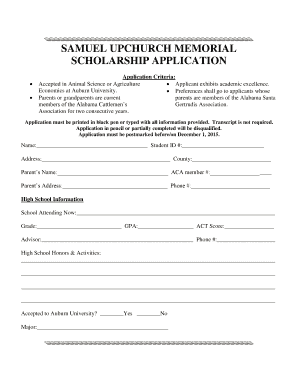
- Submission of a completed application form along with necessary supporting documents.
These criteria aim to ensure that all applicants possess the foundational knowledge and commitment required for successful completion of the program.