Definition & Meaning
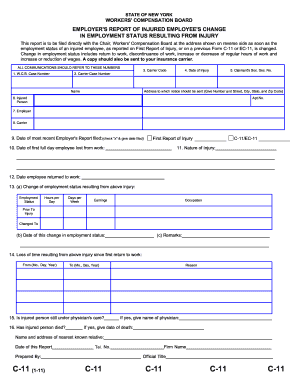
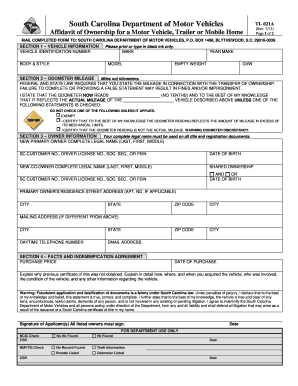
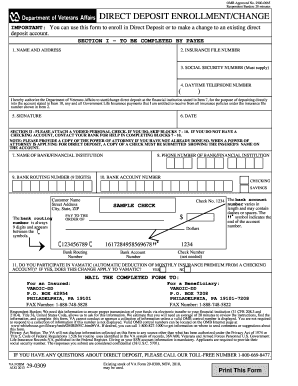
Work and income forms are documents used to report employment status, income, and related information. They play a critical role in determining eligibility for various benefits, including unemployment assistance, social security, and tax credits. These forms are typically required by government agencies to verify financial and employment details. Understanding their purpose and correctly filling them out is vital to receiving eligible benefits and complying with legal obligations.
Examples of Common Forms
- Wage and Tax Statement (W-2): Provides annual income details and tax withholdings.
- Independent Contractor Form (1099-NEC): Reports income earned by non-employees.
- Unemployment Insurance Application: Captures employment history and current income for benefit eligibility.
Steps to Complete the Work and Income Forms
Accurate completion of work and income forms is essential to ensure compliance and proper processing.
- Gather Necessary Information: Collect relevant documents such as pay stubs, employer details, and taxpayer identification.
- Understand Each Section: Review form instructions to understand requirements for each part of the document.
- Fill Out Personal Information: Provide accurate details such as name, address, and Social Security Number.
- Report Income Details: Input exact income amounts and any withholdings as per your records.
- Verify Information: Cross-check all entries for accuracy to prevent delays or errors.
- Submit Form: Use the recommended submission method, either online or by mail, ensuring you meet deadlines.
Common Mistakes to Avoid
- Incorrect Income Reporting: Double-check figures against pay stubs and tax documents.
- Missed Deadlines: Set reminders to submit forms on time to avoid penalties.
- Incomplete Sections: Ensure all fields are completed as required.
Who Typically Uses the Work and Income Forms
Various individuals and organizations utilize work and income forms to achieve specific financial and legal objectives.
- Employees and Employers: To report income and withholdings.
- Self-Employed Individuals: For declaring earnings and expenses.
- Government Agencies: To assess eligibility for benefits and services.
- Tax Preparers: To file accurate tax returns for clients.


Real-World Scenarios
- Job Seekers: Complete income verification forms when applying for unemployment benefits.
- Businesses: Use forms to report employee compensation to tax authorities.
Key Elements of the Work and Income Forms
Understanding the essential components of work and income forms helps ensure accurate completion.
- Personal and Contact Information: Fundamental identifiers for the applicant.
- Income Section: Details on earnings, bonuses, and withheld taxes.
- Employment Status: Current job position, type of employment, and employer information.
- Signature and Date: Legal affirmation of the information's accuracy and completion date.
Understanding Complex Sections
- Withholding Information: Guidance on how to report federal and state tax withholdings.
- Certification Statements: Declarations required to validate the truthfulness of provided information.
Form Submission Methods (Online / Mail / In-Person)
Work and income forms can be submitted using different methods, each with its own advantages.
- Online Submission: Fast and convenient, often with immediate confirmation receipt.
- Via Mail: Allows submission of physical copies, often used when electronic filing isn’t available.
- In-Person: Provides direct interaction and immediate clarification of queries.
Considerations for Each Method
- Online: Requires internet access and sometimes special software.
- Mail: Delay in postal service can affect deadlines.
- In-Person: Requires scheduling and travel to the respective agency.
Required Documents
Submitting work and income forms typically requires supporting documentation to validate entries.
- Pay Stubs: Proof of income and deductions.
- Tax Returns: For referencing previous income and benefit claims.
- Employment Verification Letters: Confirms current job status and income details.
- Identification Documents: Provide proof of identity, such as a driver’s license or passport.
Importance of Accuracy
- Ensures Correct Benefit Calculations: Reducing chances of overpayment or underpayment.
- Avoids Penalties: Accurate documentation prevents legal repercussions.
Legal Use of the Work and Income Forms
These forms carry significant legal implications, reinforcing the importance of accurate completion and submission.
- Verifying Benefits Eligibility: Forms provide necessary data to determine qualification for government aid.
- Data Privacy Concerns: Sensitive information provided should be handled in accordance with privacy laws.
Compliance and Legal Considerations
- Fraud Prevention: Legal penalties are in place for false information or misrepresentation.
- Audit Preparedness: Complete and accurate records support compliance proof in audits.
State-Specific Rules for the Work and Income Forms
Each state may have specific rules and variations affecting the completion and submission of work and income forms.
- Variations in Tax Rules: States may have different income tax requirements and forms.
- Deadlines and Penalties: Local regulations may influence submission timelines and associated penalties for non-compliance.
- Additional State Benefits: States might offer unique benefits requiring additional documentation.
Navigating State Variations
- Stay Informed: Regularly check local government websites for updates.
- Consultwith Professionals: Use tax preparers or accountants familiar with state-specific regulations.